
Choose this if
You want a smooth, quiet, low-glare card that feels more refined than standard matte lamination.
Soft Touch Matte Business Cards
Smooth matte business cards with a velvet-like hand feel, low-glare surface and a quieter premium finish. Start with 16pt or 30pt soft touch options, then review foil, spot UV, deboss or a thicker structure when the artwork needs contrast.
The velvet-like hand feel comes from soft-touch lamination, not real velvet fabric. Real samples help compare soft touch, cotton paper, black cards, thick cards and specialty finishes before production.
Soft touch works best when the card needs a low-glare surface, clean color coverage, and a quiet premium finish. If touch, thickness, or finish compatibility is uncertain, compare real samples before production.
You want a smooth, quiet, low-glare card that feels more refined than standard matte lamination.
Minimal logos, dark cards, restrained typography, negative space and premium service brands.
Dark color contrast, foil or spot UV placement, deboss depth, writing areas and final thickness.
You mainly want natural fiber texture, rough uncoated paper, bright gloss or an obviously recycled look.
Review the main visual details before choosing soft touch: surface glare, dark color coverage, foil contrast, spot UV gloss, deboss depth, and how the finish compares with real sample references.
Use the quick table first, then open the deeper notes if you need to compare thickness, surface feel, handling marks, or finish compatibility.
| Surface feel | Smooth, low-glare soft-touch lamination with a velvet-like hand feel. |
|---|---|
| Main thicknesses | 16pt / approx. 0.4mm and 30pt / approx. 0.75mm single-sheet soft touch directions. |
| Strong uses | Dark designs, minimal logos, quiet premium brands, foil detail, spot UV contrast and deboss review. |
| Review before production | Artwork file, color direction, foil or spot UV mask, deboss area, writing area and shipping country. |
| Not ideal for | Rough natural fiber texture, glossy photo-heavy looks, very low-budget handouts or projects where writing on the surface is important. |
Standard matte mainly reduces shine. Soft-touch lamination adds a smoother tactile surface that changes how the card feels in the hand. It is a laminated print surface, so artwork and finish compatibility should be reviewed before production.
For a fuller comparison with standard matte, uncoated and gloss finishes, read our soft touch finish guide.
Use extra finishes as controlled accents. A small foil logo, a spot UV pattern or a blind deboss mark can give contrast without making the soft touch surface feel busy.
Soft touch is hard to judge from screen photos. A sample book lets you compare the actual feel against cotton paper, black cards, thick duplex cards, foil, spot UV and deboss references.
Review Samples First
Photos help with color and finish direction, but the paper feel is easier to judge in hand. The sample book lets you compare soft touch against cotton paper, black cards, thick cards, foil, spot UV, and deboss references.
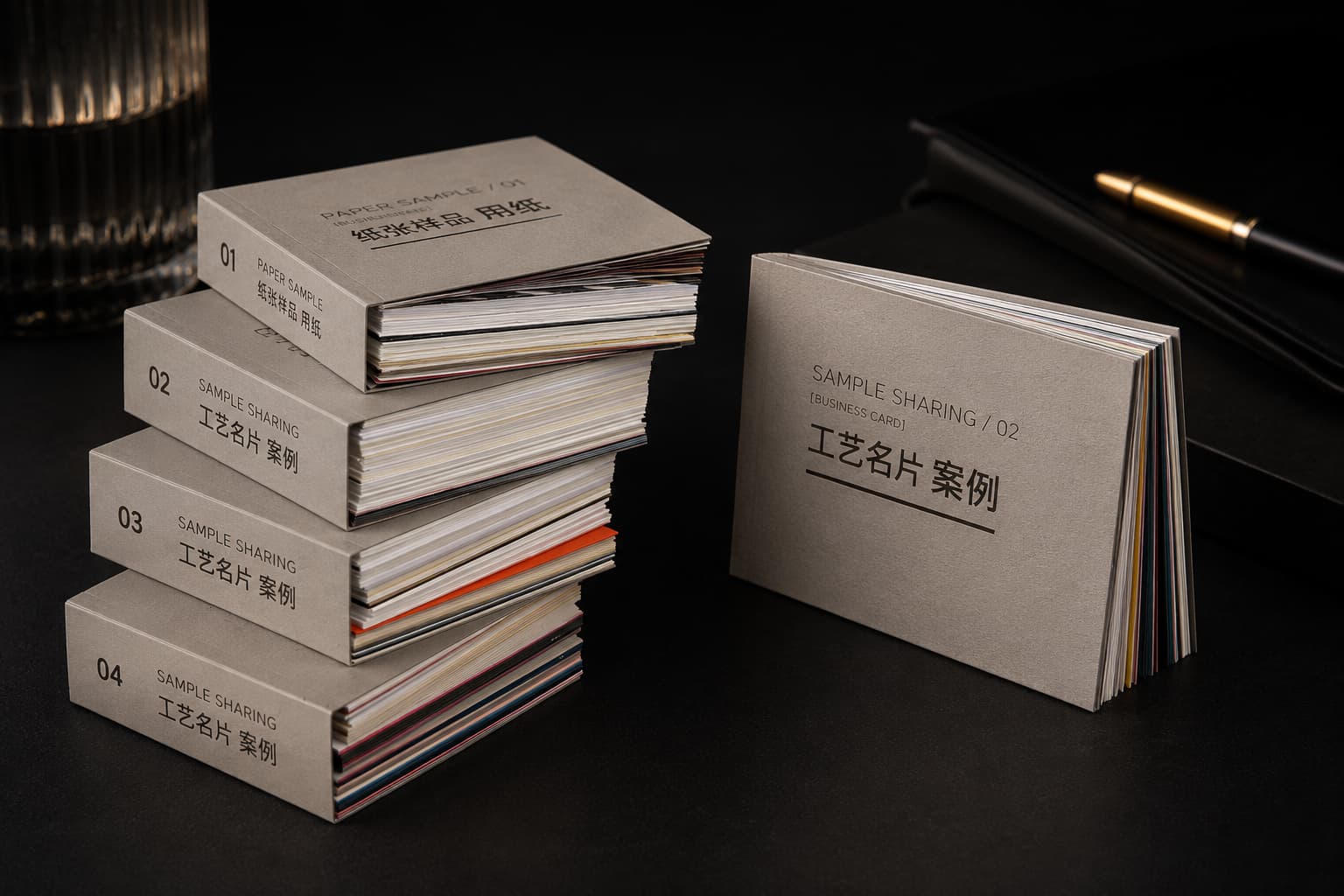
The quote form below asks for material direction, artwork files, quantity, shipping country, and timing. Reviewing these steps first helps you send the right information without guessing.
Send only the core details first. ZIVFY can confirm foil, spot UV, deboss, file checks and production details after we understand the quantity, thickness direction and artwork status.
The questions below cover common soft touch card materials, thickness, dark designs, and surface finishes so you can quickly confirm the direction before requesting a quote.
Soft touch business cards are strongest for brands that want a restrained, tactile and low-glare presentation. They are often used for premium service brands, designers, consultants, hospitality, real estate, beauty, fashion and other projects where the first hand feel matters.
Dark soft touch designs need enough contrast for small text, careful review of full coverage color, and a finish plan if foil, spot UV or deboss is used. A sample reference helps confirm whether the dark surface feels refined instead of flat.
Choose black business cards when the paper itself should be black. Choose cotton paper when you want a natural uncoated feel. Choose thick duplex when edge weight is the main effect. Choose eco or recycled paper when visible fiber character and sourcing direction matter more than a soft-touch laminated finish.
Soft touch business cards are mainly about surface feel, thickness direction and finish compatibility. These answers help you understand what should be checked before requesting a custom quote.
Soft-touch business cards use a smooth matte lamination that feels softer and more refined than a standard matte card. The finish gives the card a low-glare look and a velvet-like hand feel while keeping the design professional.
Some printers call this style velvet business cards or suede business cards because of the smooth tactile feel. At ZIVFY, we use soft touch matte business cards to avoid confusion: the surface can feel velvet-like, but it is not real velvet fabric.
For single-sheet soft touch cards, ZIVFY currently works with two main material thicknesses: 16pt / approx. 0.4mm and 30pt / approx. 0.75mm. Thicker duplex or special structures can be reviewed separately when the project needs a heavier card.
A regular matte card mainly reduces shine. A soft touch matte card also reduces glare, but adds a smoother tactile surface. The difference is usually felt more clearly in the hand than seen in a photo.
Yes. Soft touch surfaces can be reviewed with foil stamping, spot UV, deboss, emboss, rounded corners and other premium finish directions. The final result depends on artwork area, registration tolerance, paper surface and production feasibility.
Soft touch surfaces are not always the best choice for handwriting. If your card needs a writable back, mention it in the quote form. ZIVFY can review whether one side should stay soft touch, use another surface, or follow a different paper direction.
Soft touch is selected mainly for its tactile matte feel, not as a waterproof or scratch-proof guarantee. Actual durability depends on the card material, surface, print method and handling. For heavy-use cards, tell us the use case before quoting.
Dark matte surfaces can show handling marks more easily than light surfaces, depending on the exact paper, ink coverage and finish. If your design uses a large black or dark background, we recommend checking samples and reviewing the artwork direction first.
Yes. You can request a free business card sample book and only pay shipping. The sample book helps you compare material, thickness, surface and finish references, but it does not mean every possible soft touch combination is stocked as a finished sample.
No. You can submit your logo, text, brand colors, rough layout or reference images. Basic layout support may be included after order specification and payment are confirmed. Complex custom design, logo creation or major creative work may require a separate artwork fee.
Still not sure whether soft touch fits your artwork? Send your logo, quantity, preferred thickness and finish direction. ZIVFY will review whether 16pt, 30pt, foil, spot UV, deboss or another premium card direction is the cleaner production route.
Request Soft Touch Review