
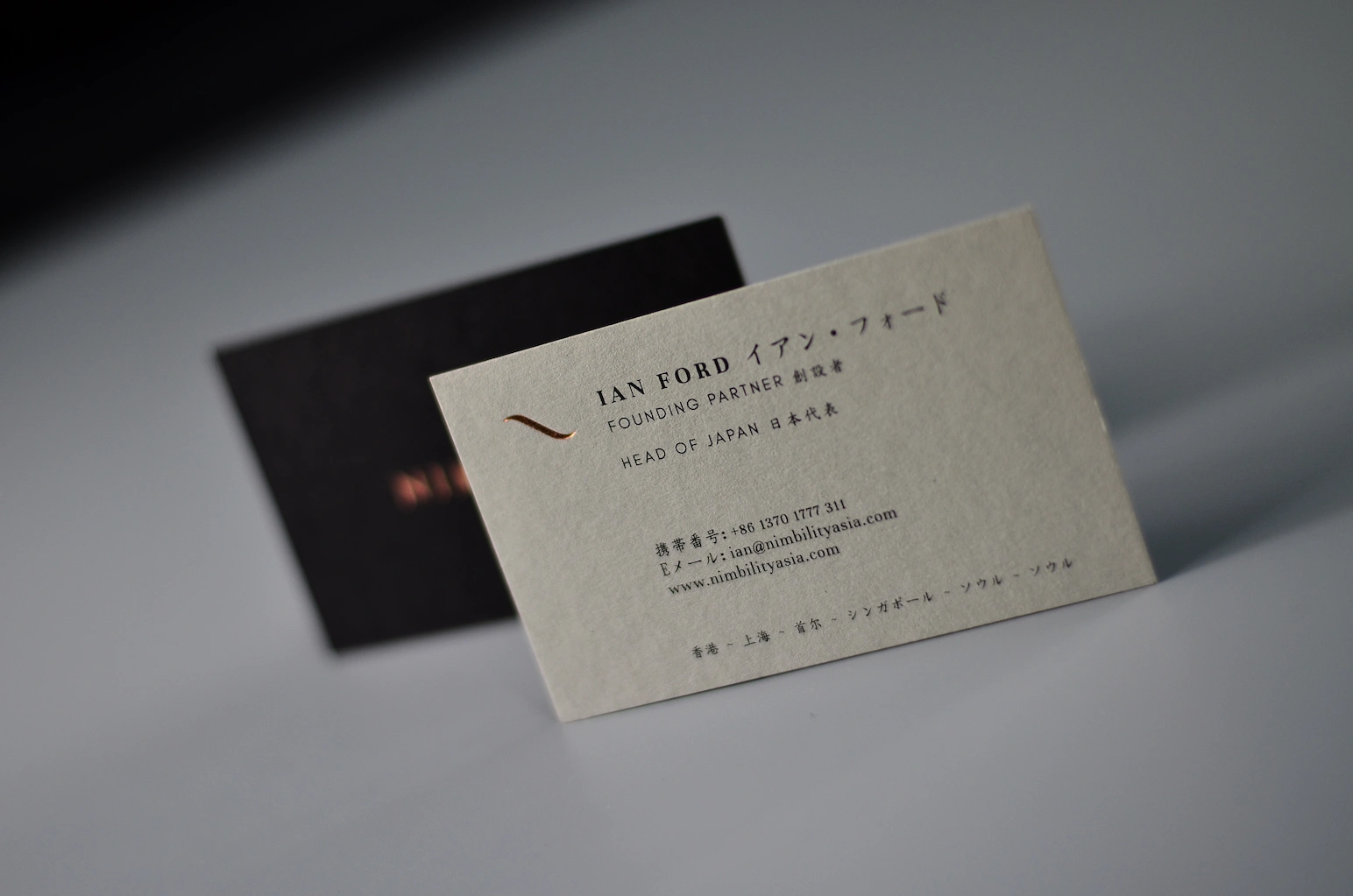
Natural Grey
Natural Grey Eco Paper
For architecture, consulting, wellness and minimalist brands that need a calm FSC paper direction with real material texture.
Natural GreyUncoated FeelQuiet Luxury
Custom eco friendly paper business cards made with FSC paper options, natural uncoated texture, colored eco paper choices, and fixed two-color layered paper structures. Choose the paper feel, color direction, thickness, and finish compatibility before requesting a custom quote. Best for brands that want responsible material direction with a premium paper feel, not a basic recycled-card look.
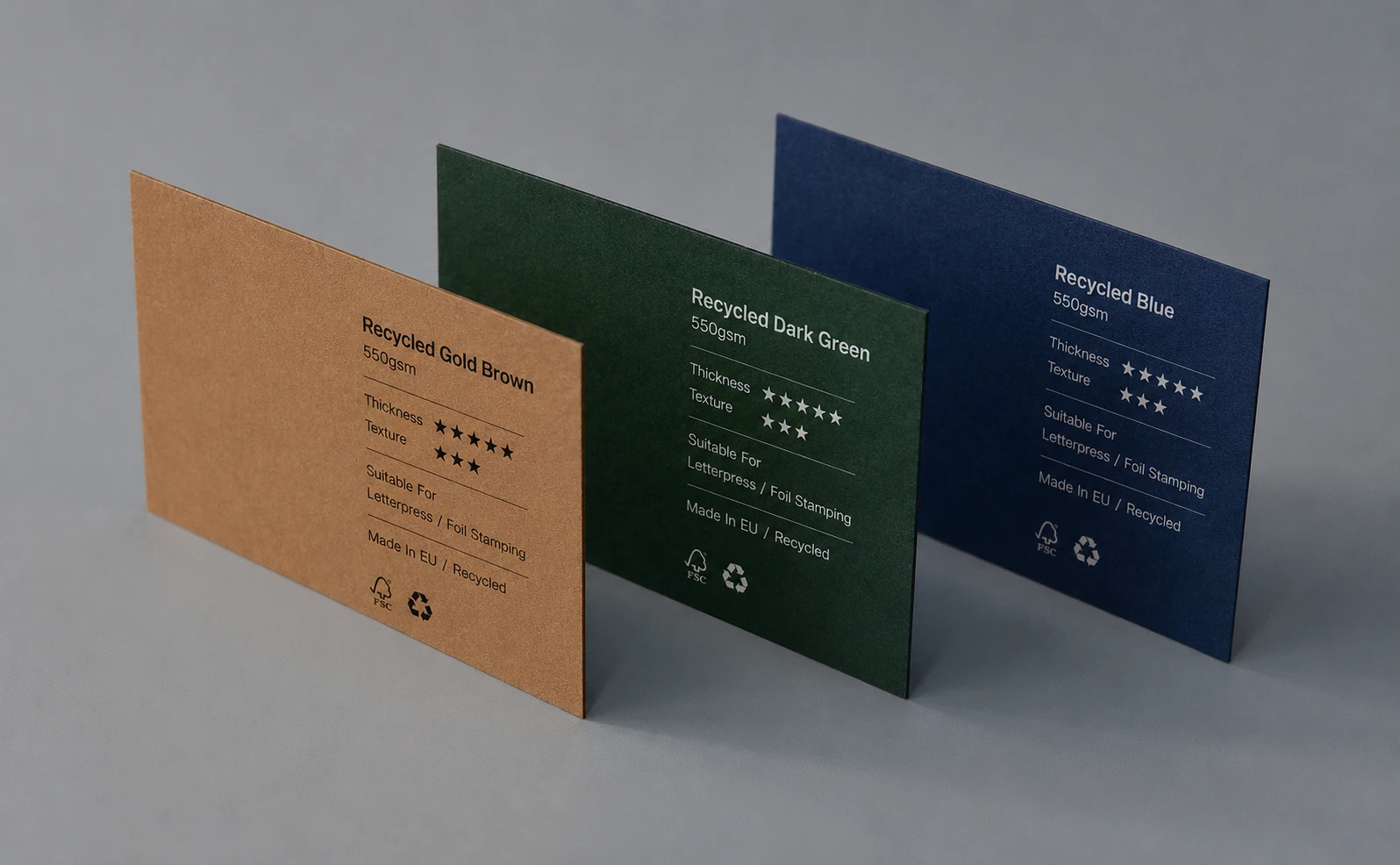
Choose this direction when the paper itself needs to support the brand message: natural texture, visible paper color, real thickness, and finish compatibility reviewed together before production.
Important distinction: eco friendly paper is the broader direction. Recycled paper is a separate material choice when the recycled-content story is the main requirement.
Eco paper should still feel like a serious brand card, not a generic paper substitute.
Natural grey, warm grey, deep green, indigo and brown eco papers change under light, so sample review matters.
We explain gsm, approximate millimeter thickness and pt thickness together so the hand feel is easier to judge.
Foil, debossing, embossing, die cutting and specialty ink behave differently on uncoated eco paper surfaces.
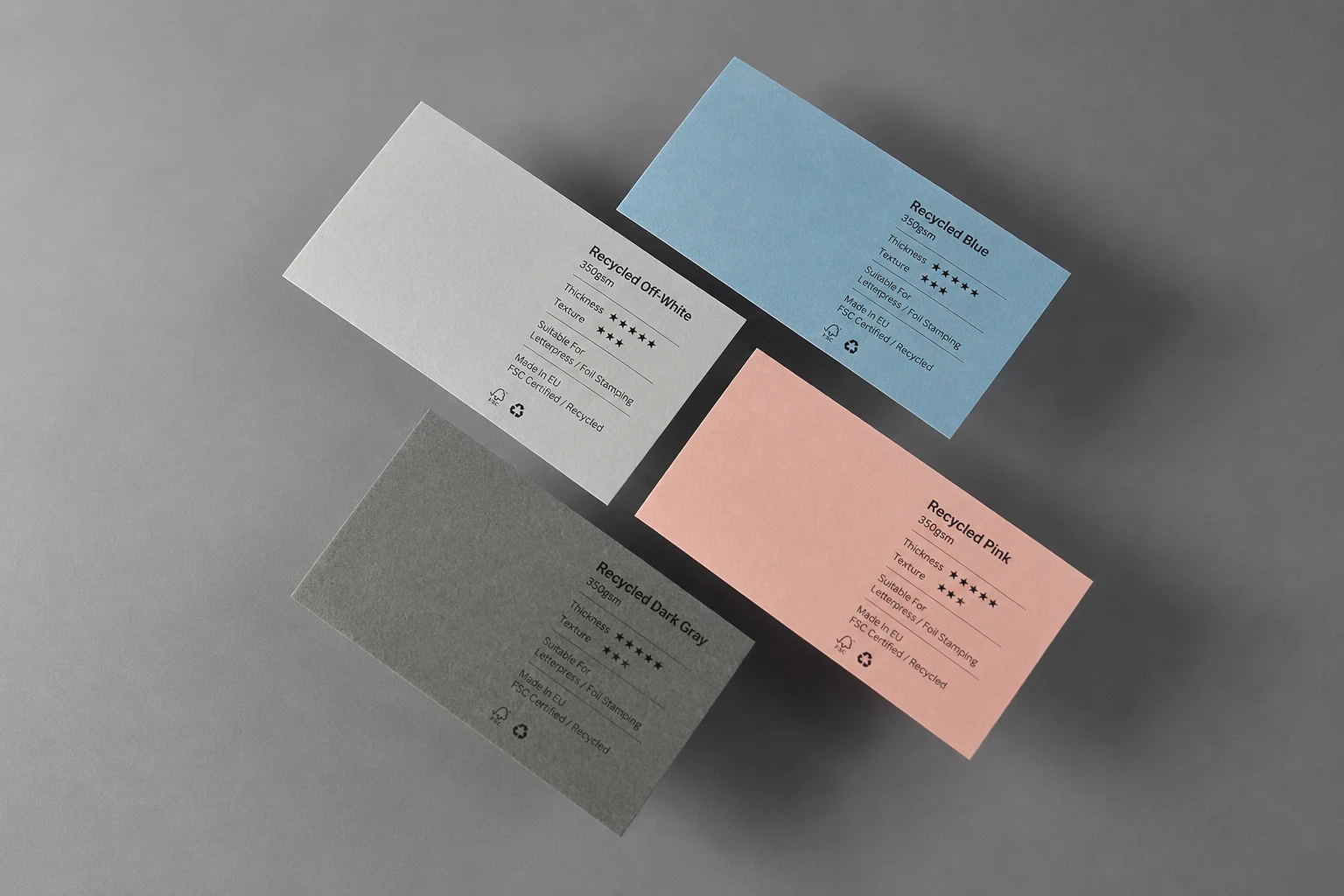
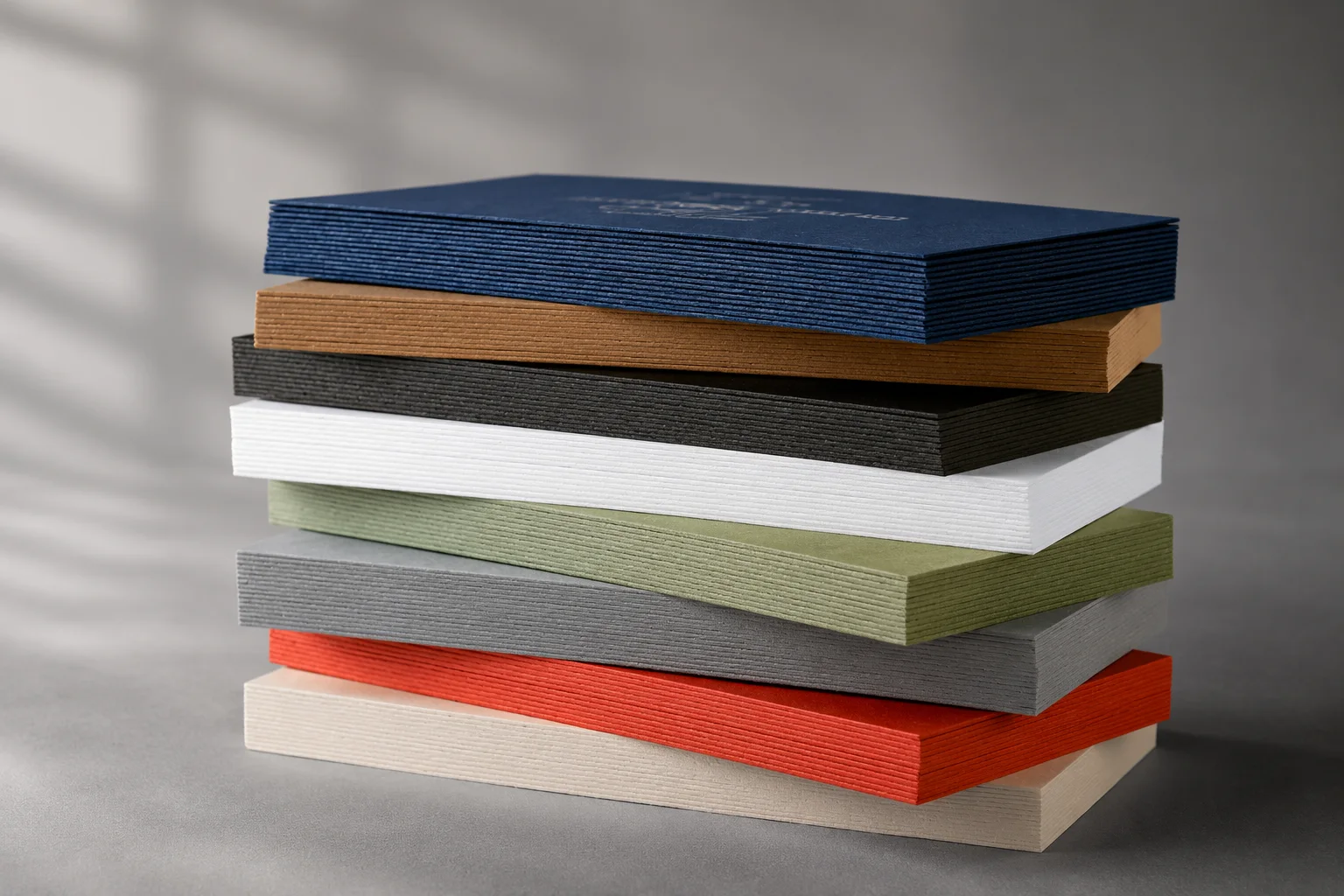
Natural grey, soft grey, deep green, indigo, lobster red, warm brown, and two-layer paper structures can all support a premium brand identity when paper and finish are reviewed together.
For architecture, consulting, wellness and minimalist brands that need a calm FSC paper direction with real material texture.
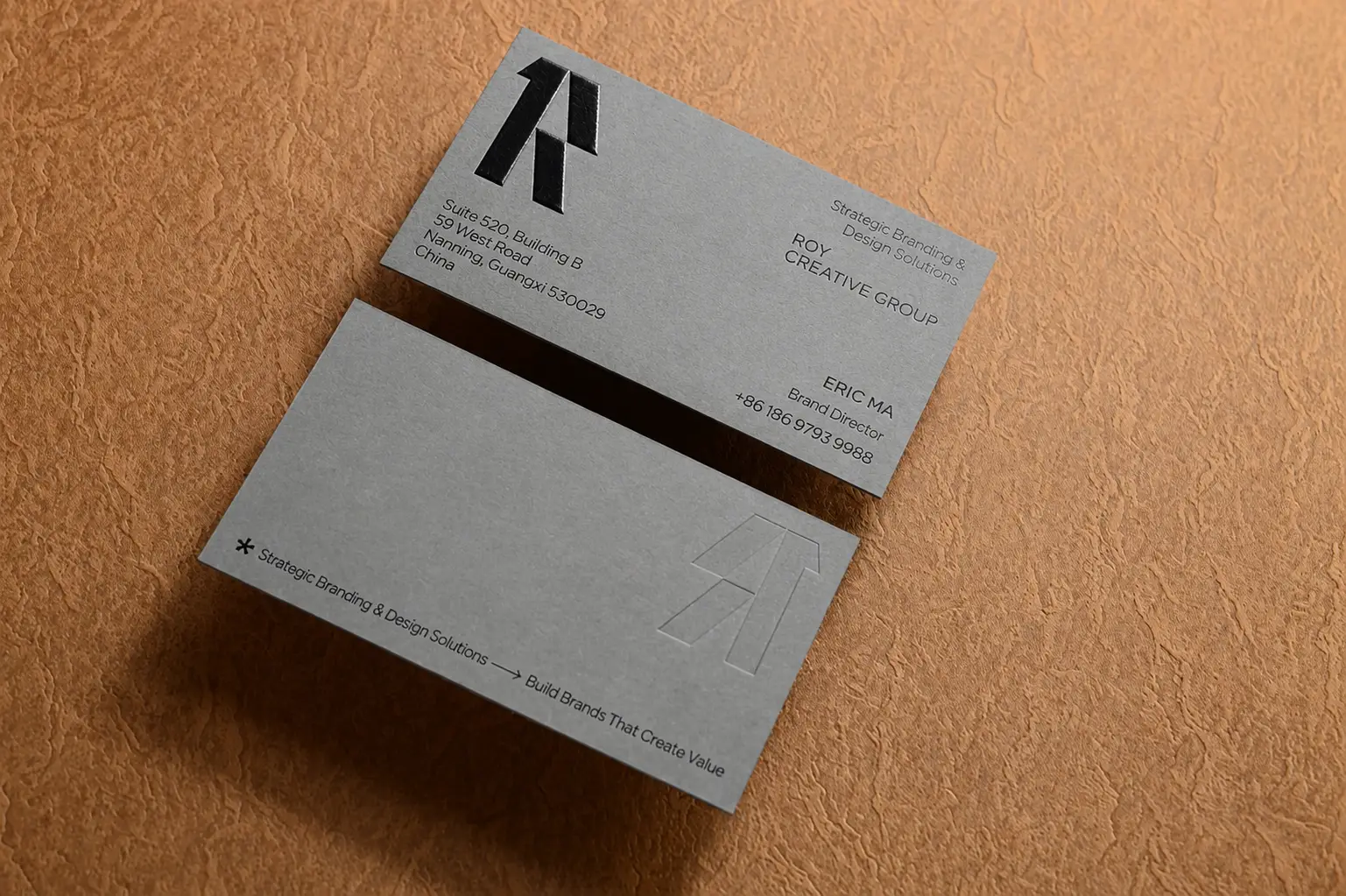
A warmer neutral eco paper direction for brands that want natural paper texture with a refined metallic accent.
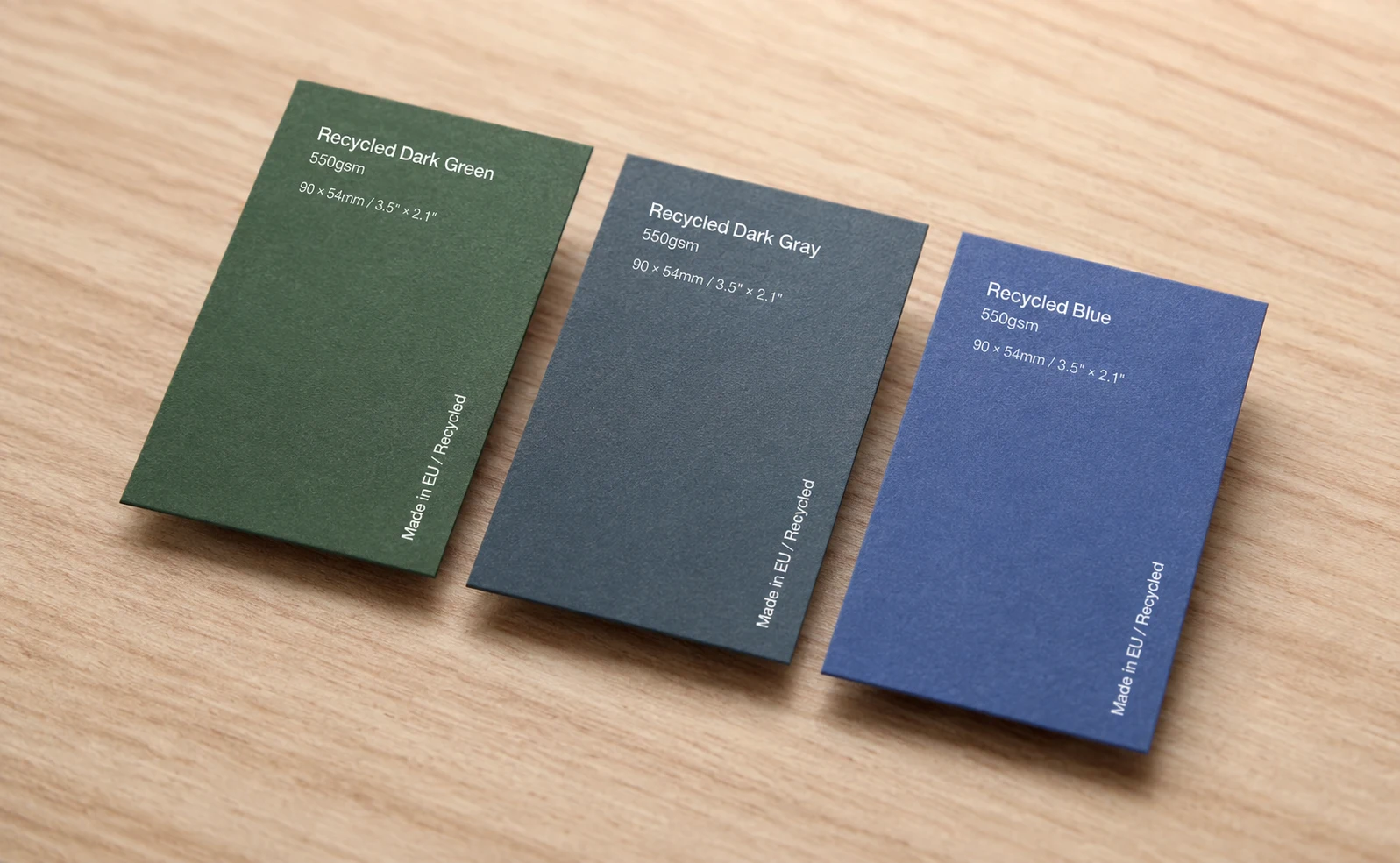
For projects that need stronger brand color while keeping a natural uncoated paper feel and FSC material direction.
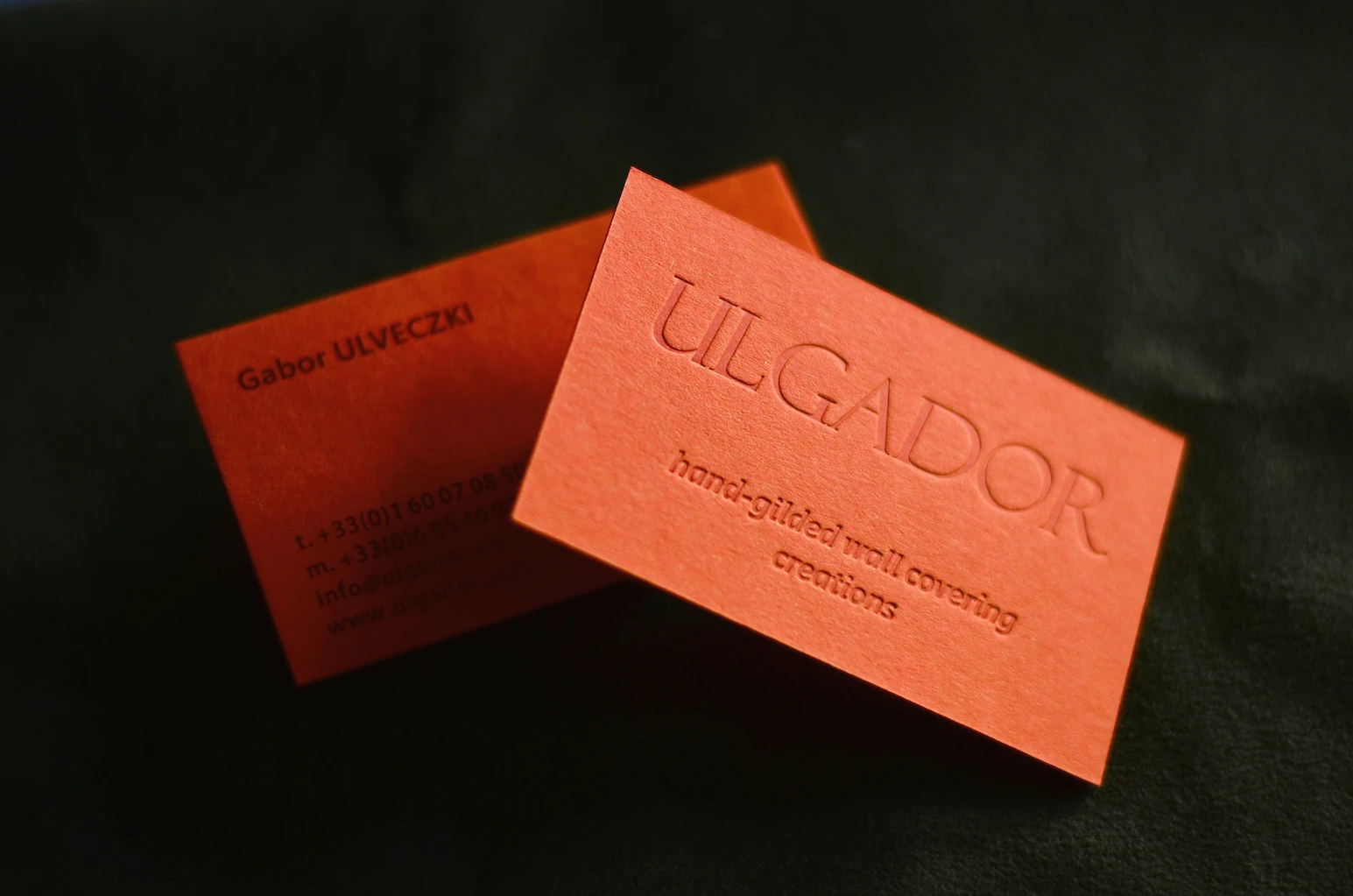
A vivid colored eco paper option for retail, beauty, hospitality and creative brands that do not want a pale recycled look.
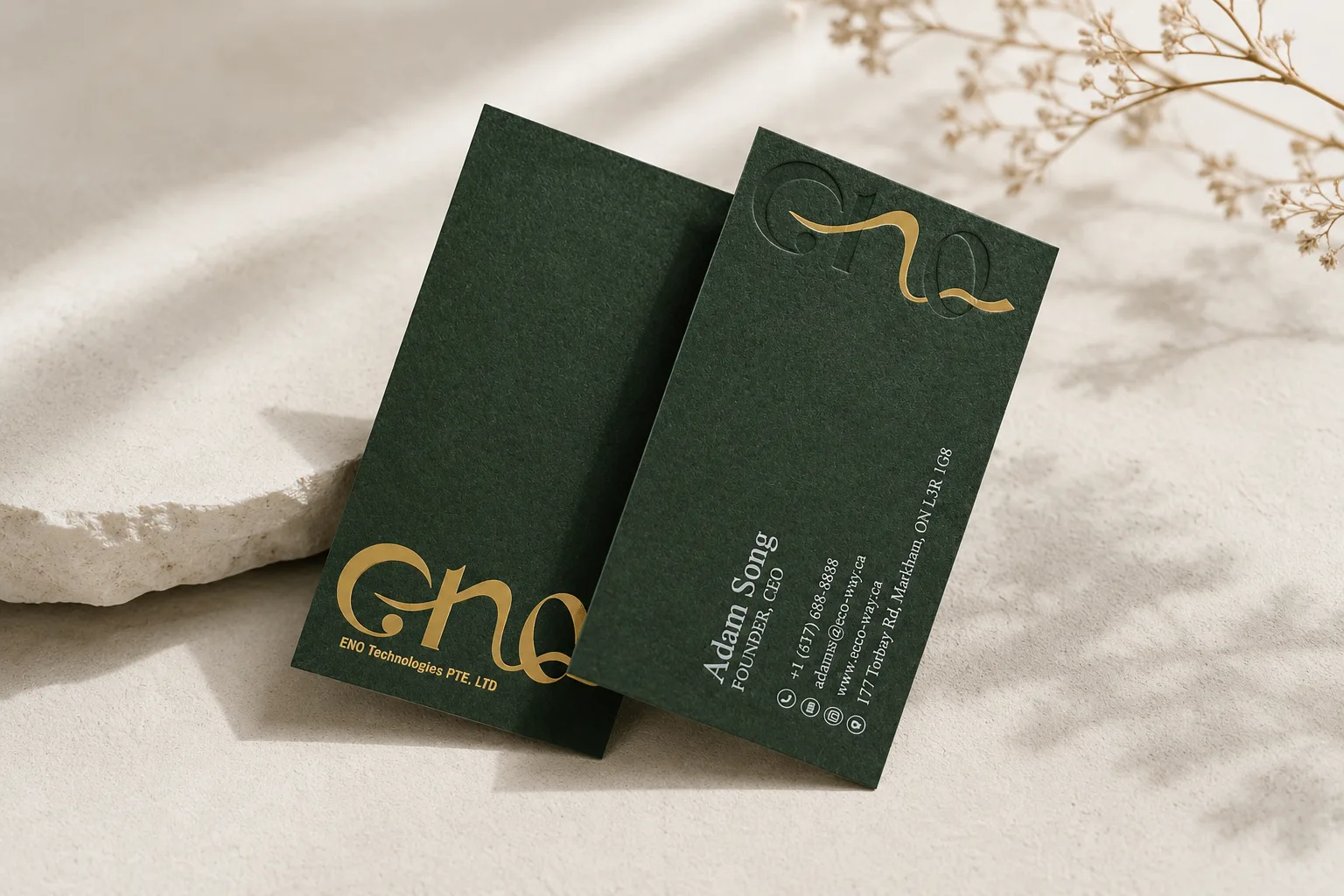
Deep green paper works well for nature-led brands, wellness, organic product lines and boutique hospitality identities.
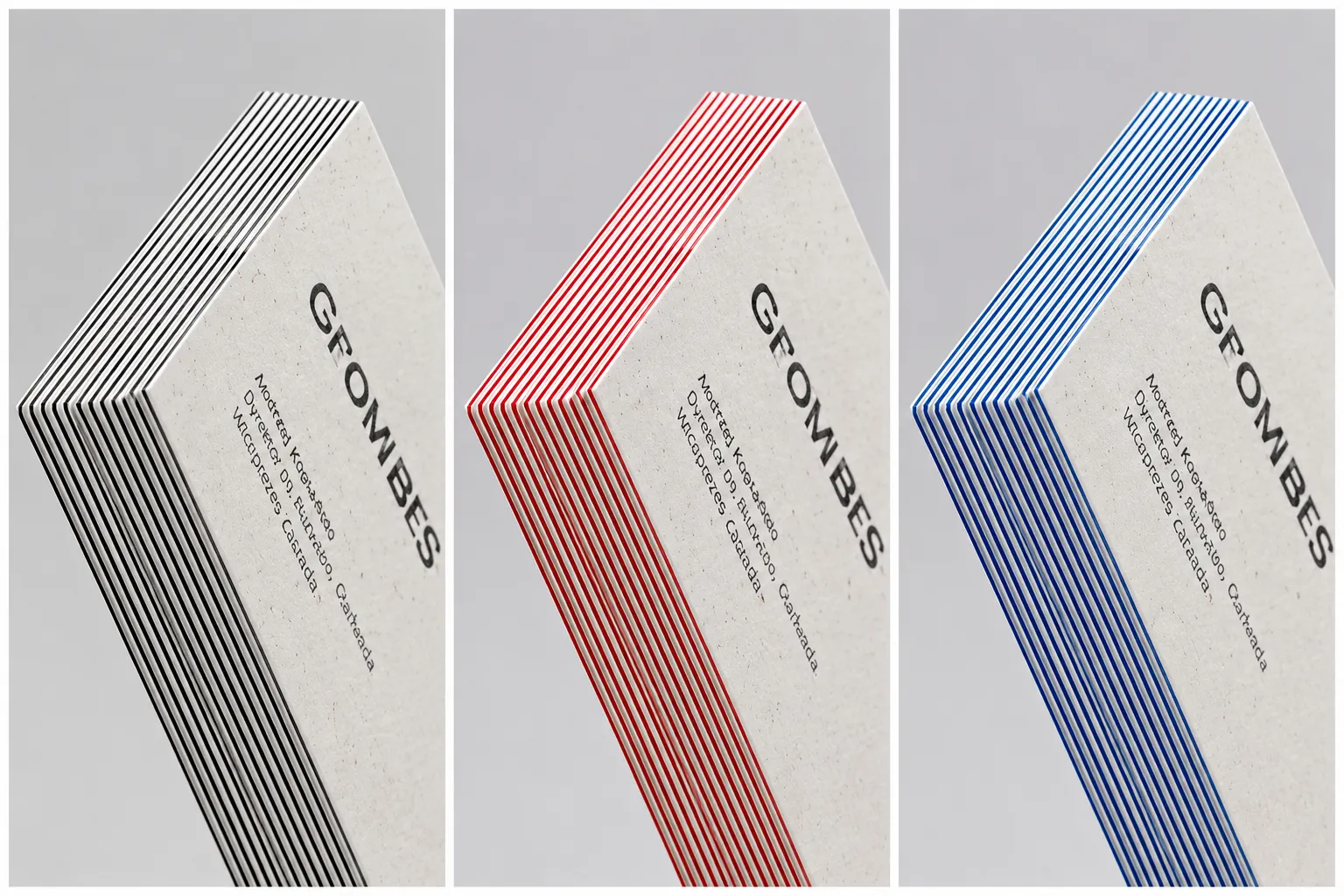
For projects that need visible front/back contrast and a stronger paper edge structure without using coated or laminated plastic-feel materials.
Use this direction when the project needs a clear front/back color contrast or a more visible paper edge. It is a layered paper structure, not surface lamination and not open-ended custom paper-color manufacturing.
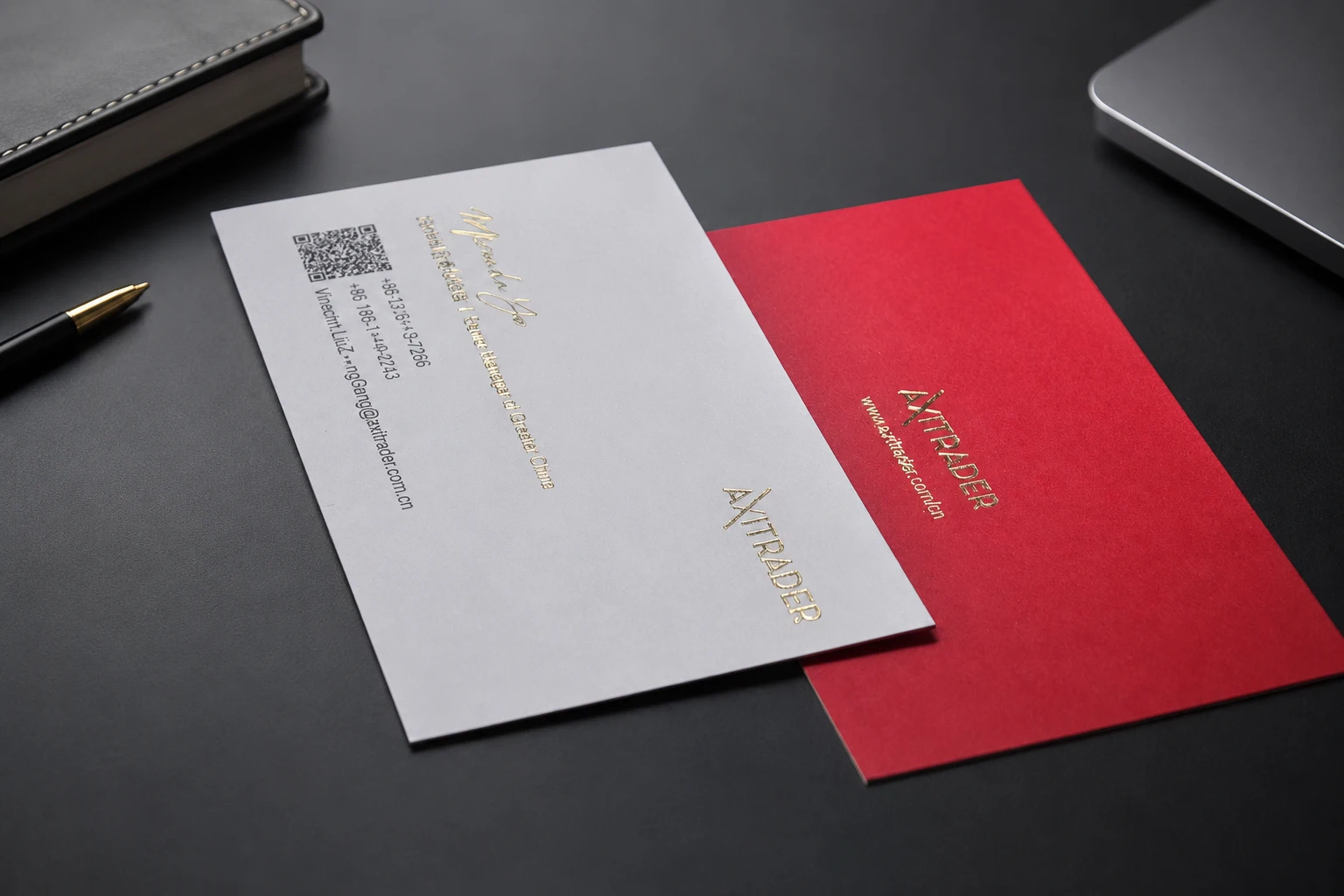
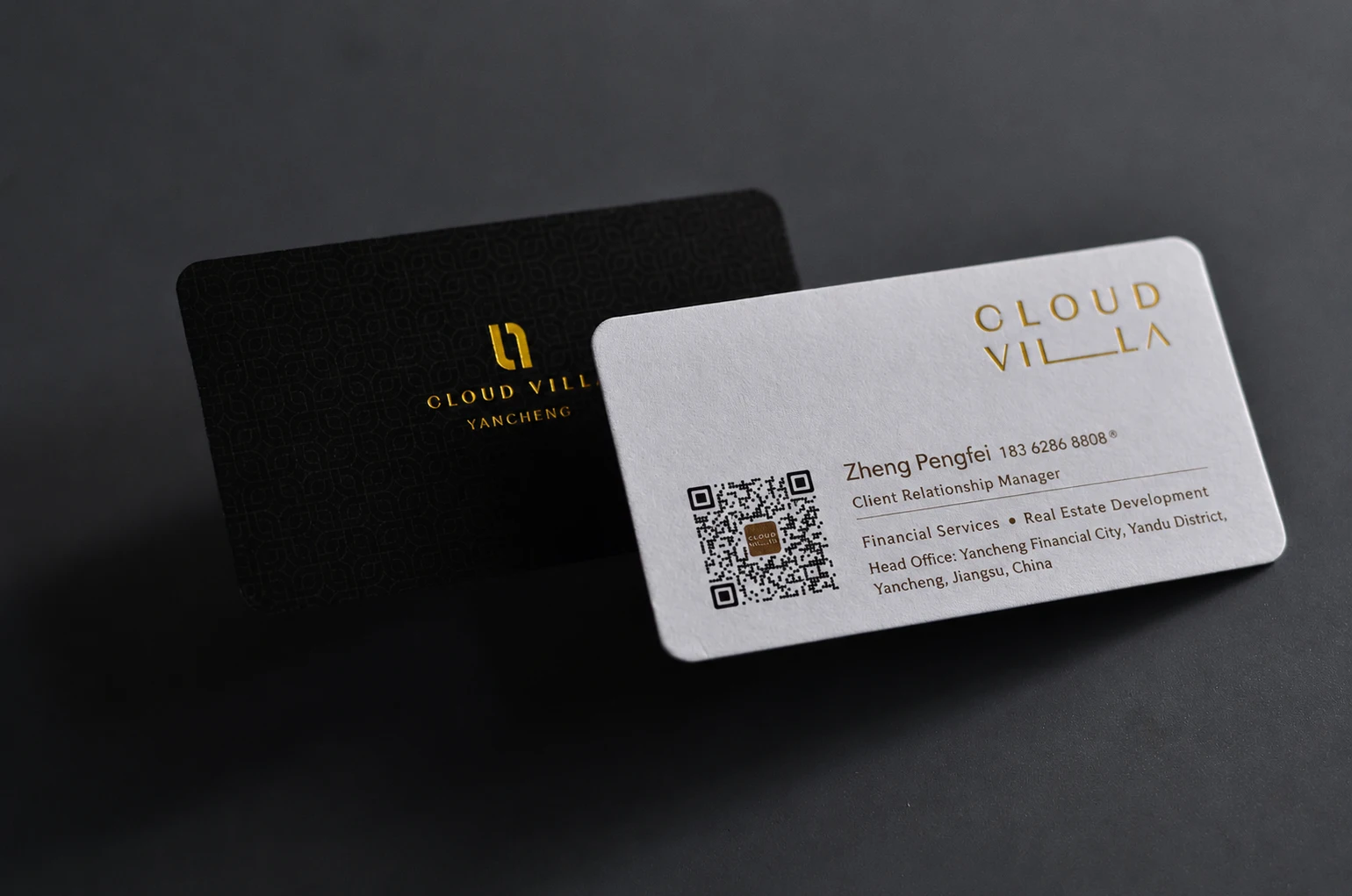
Eco paper cards should be reviewed by paper type, gsm, approximate millimeter thickness, pt thickness, edge appearance, and surface texture.
Natural uncoated eco paper can support foil stamping, blind debossing, embossing, die cutting, specialty ink, and selected edge or corner details. The best finish depends on paper color, artwork detail, pressure tolerance, and readability.
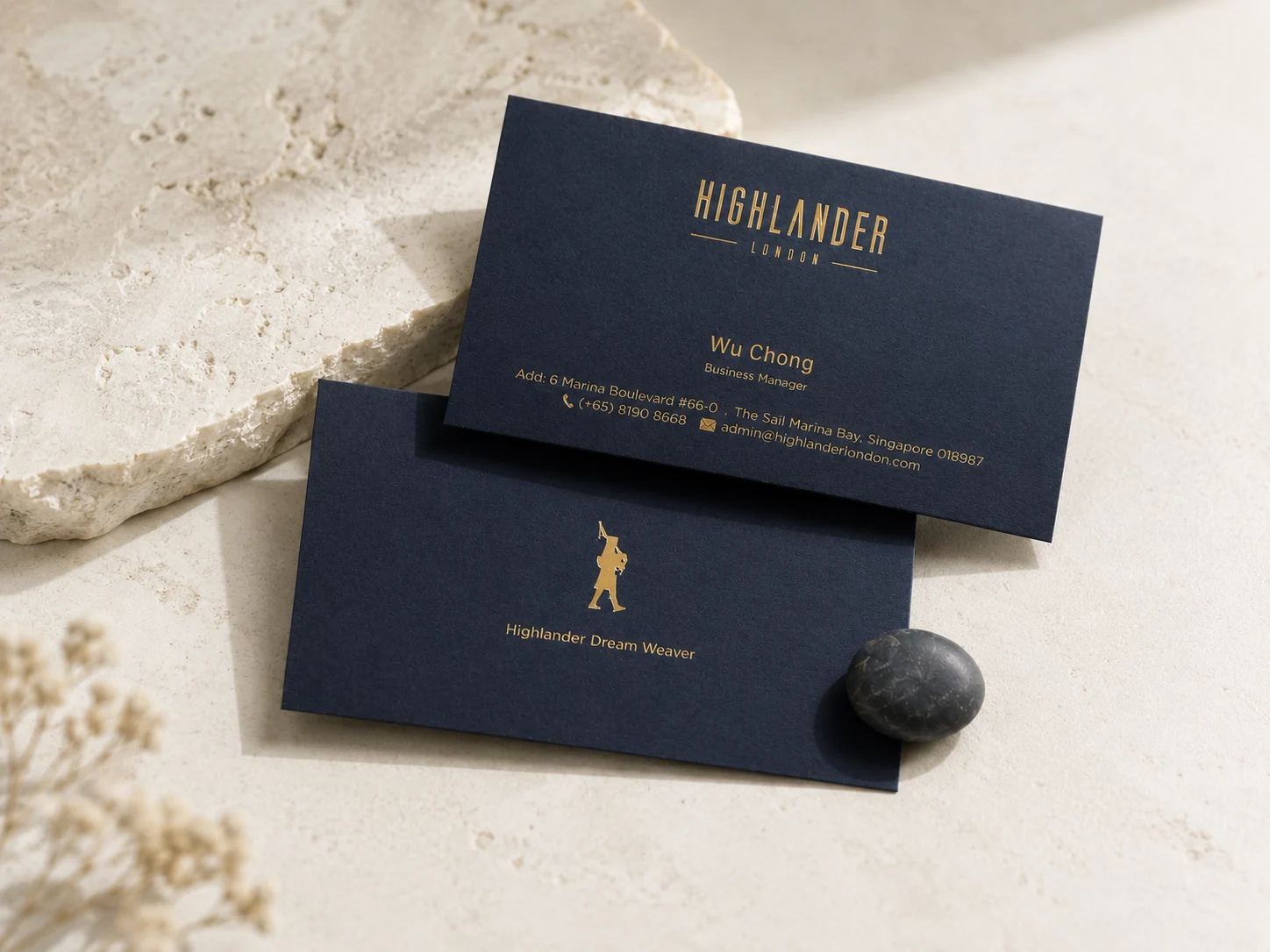
Metallic foil gives dark colored eco papers a premium contrast while keeping the paper surface natural and tactile.
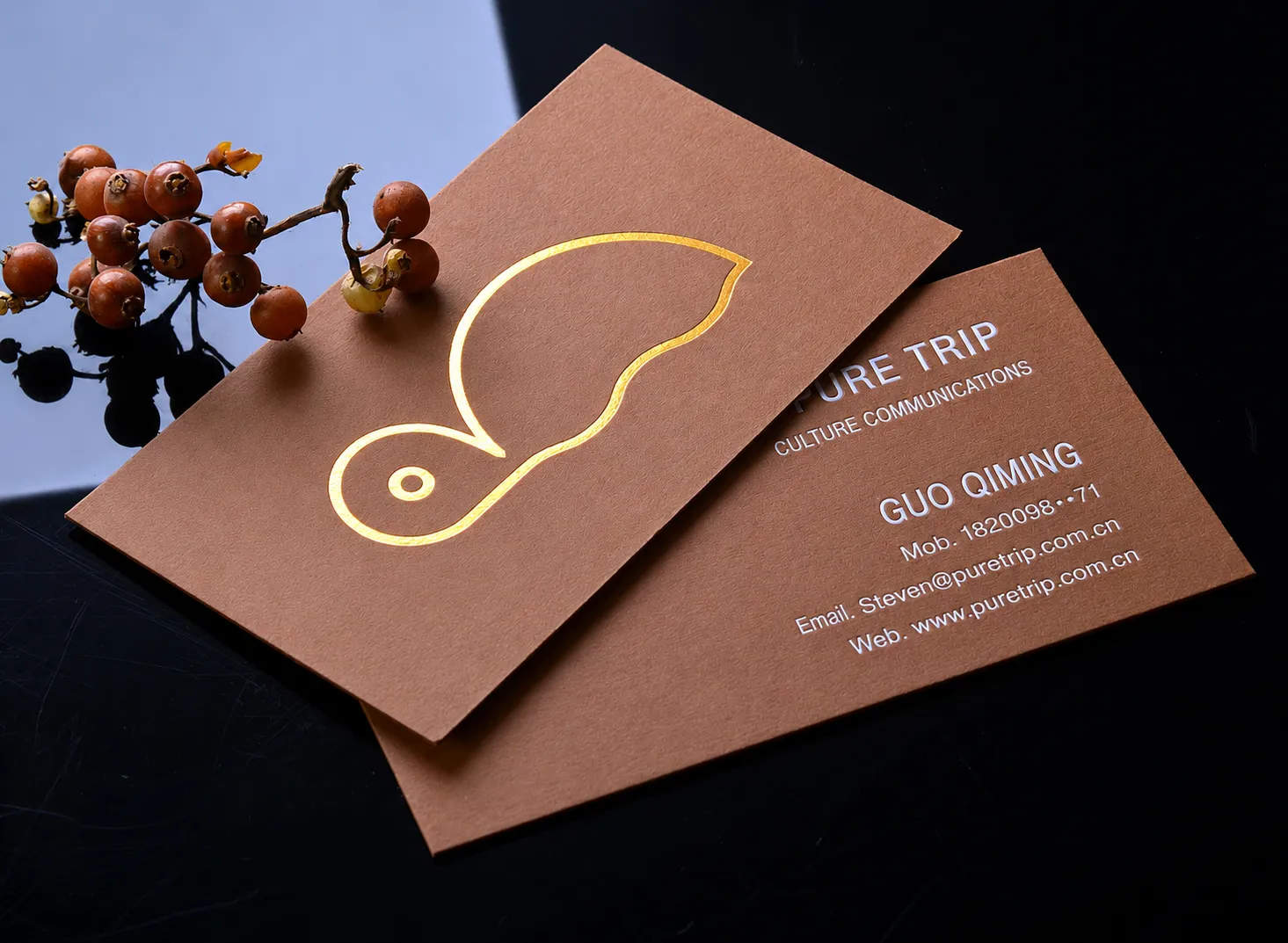
Warm brown eco paper suits restrained brand marks, simple icons and small foil details for a natural premium look.
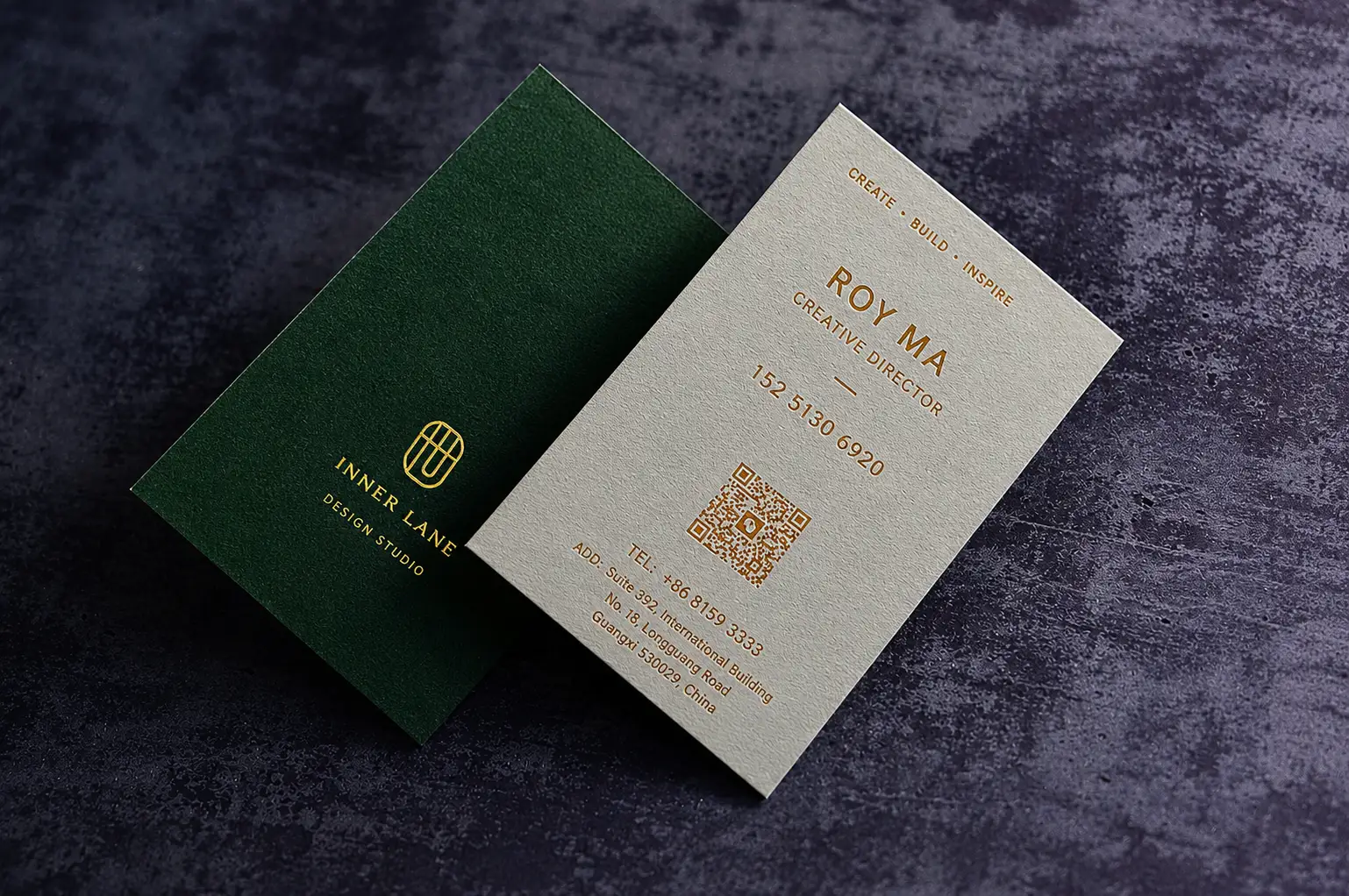
Deep green paper can support organic, wellness, hospitality and boutique retail brands without looking like kraft stock.
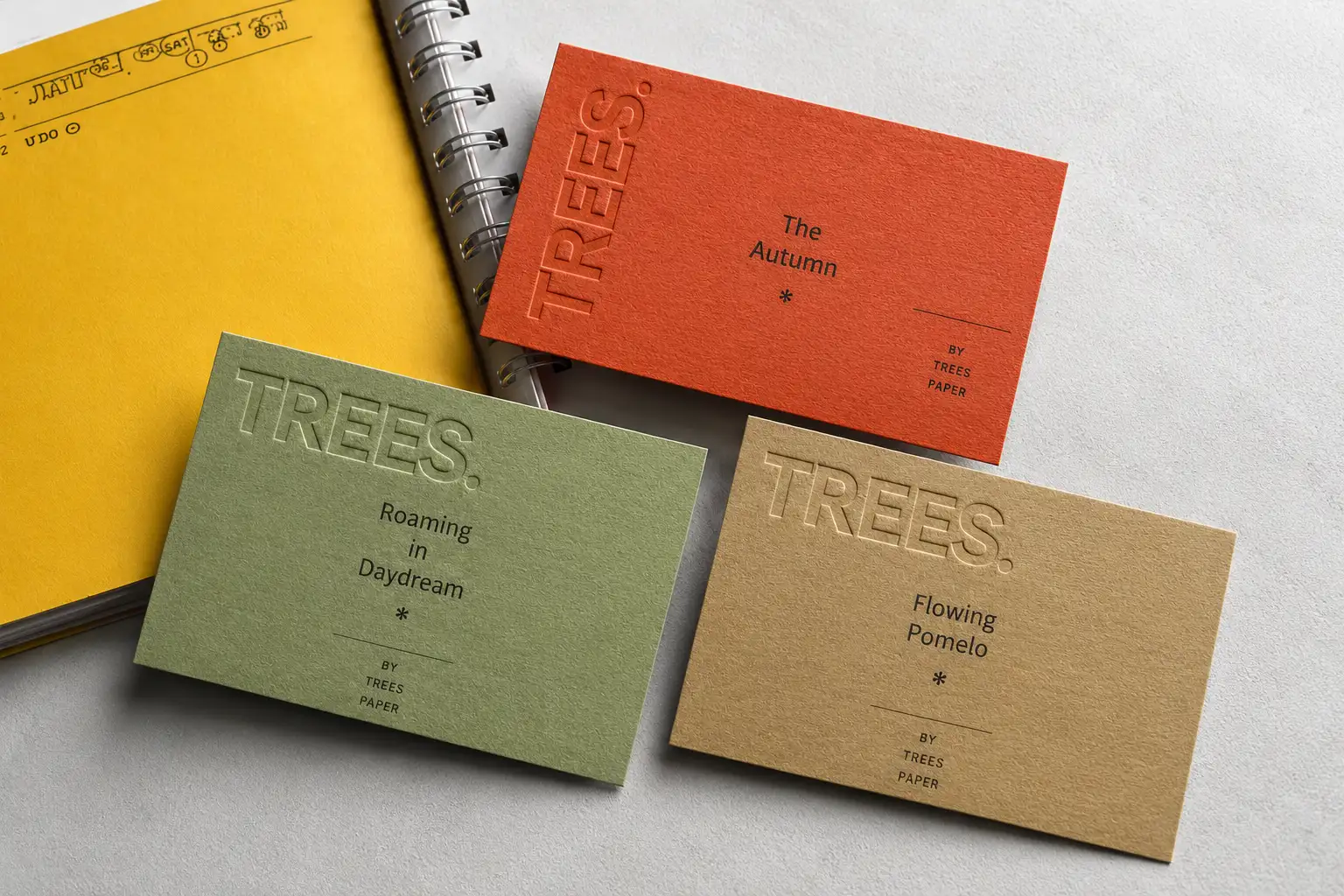
Blind debossing and embossing are strong choices for eco paper because they highlight the paper surface itself.
Foil color should be checked against paper color so the finished card stays readable and refined.
Neutral eco papers work well when the design needs a softer sustainability message rather than a rustic look.
Use eco paper when the paper itself should support the brand message, not when the project only needs a basic standard card.
Eco friendly paper is the broader direction: FSC paper options, natural paper texture, colored eco paper choices, and selected layered paper structures. Recycled paper is more specific when the project needs visible recycled fiber character or a recycled-content material story.
Choose this eco paper page for FSC paper colors, premium uncoated texture and eco paper card structures. Choose the recycled paper page when the recycled-content paper story itself is the main selling point.
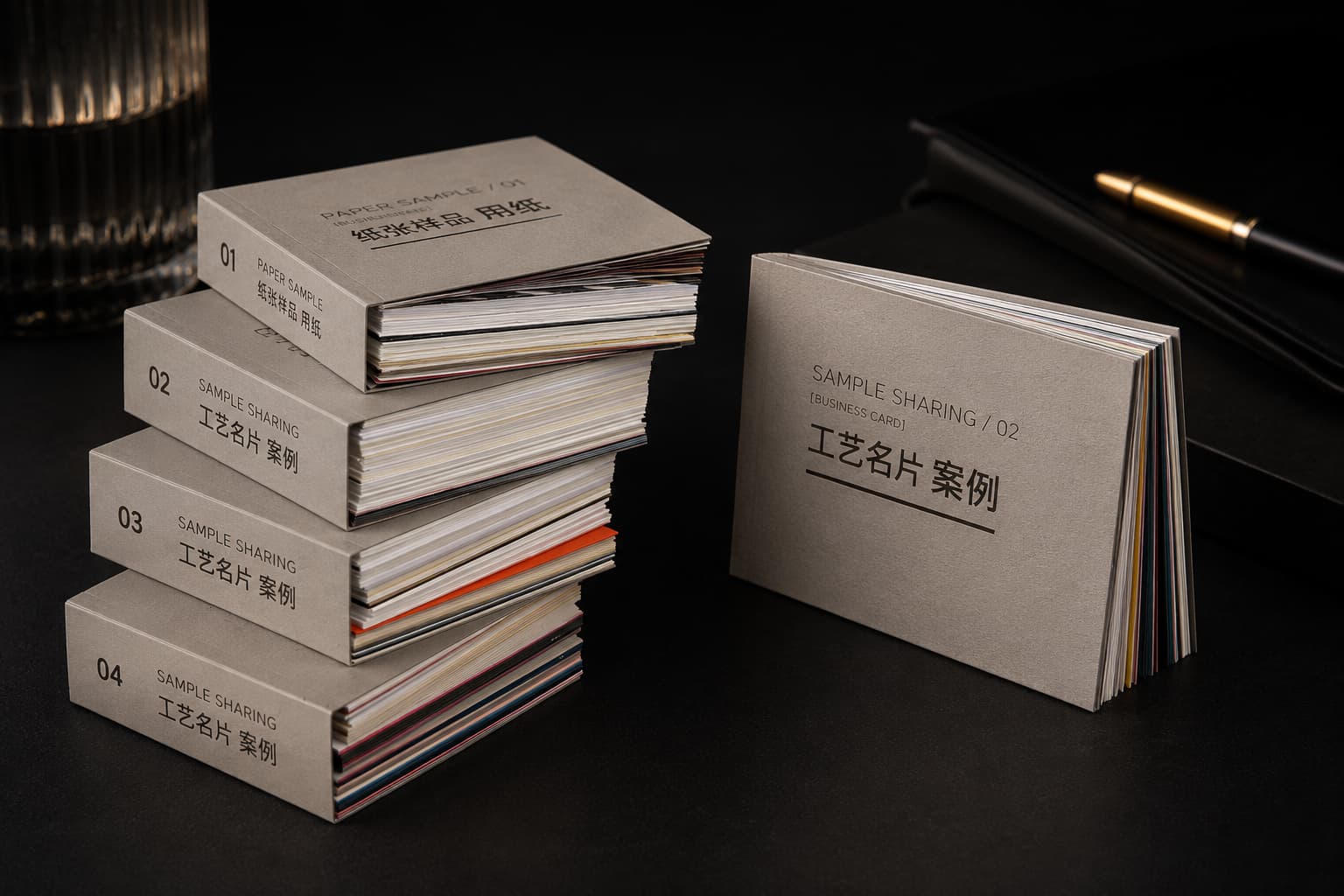
Eco paper colors cannot be judged only from a monitor. Use the ZIVFY business card sample book to compare FSC eco paper directions, colored paper options, two-layer paper structures, edge appearance, foil, debossing and other finish references before confirming your quote.
The sample book is for material and finish reference. It does not mean every eco paper color, two-layer paper structure or custom finish combination is stocked as a finished sample.
Start with quantity, destination, eco paper direction, thickness or structure, artwork status and email. If you are unsure, choose the recommendation option and we will review the cleaner route.
Not necessarily. Eco friendly paper is the broader category, while recycled paper is a specific material direction. This page focuses on FSC-certified eco paper, natural grey papers, colored eco paper, German eco paper colors, and two-color layered paper structures. If recycled-content paper is the main requirement, see the Recycled Paper Business Cards page.
Yes, the page is positioned around FSC-certified eco paper directions. Final material selection still depends on paper color, thickness, finish compatibility and artwork requirements.
A two-layer eco paper structure combines two paper layers so the side edge can show a more visible paper build or color contrast. It is different from surface lamination. Final color direction and availability should be reviewed with the project.
Main directions include approx. 500g / 0.68mm / 27pt, 500g German eco paper / 0.70mm / 28pt, 550g German eco paper / 0.75mm / 30pt, and 600g fixed two-color layered paper / 0.75mm / 30pt.
Yes. Foil stamping, blind debossing, embossing, die cutting, specialty ink and other premium finishes can be reviewed based on paper color, artwork detail and production feasibility.
Yes. Eco paper color, uncoated texture, thickness, edge appearance and foil contrast are difficult to judge accurately from screen images. A sample book is recommended before final production decisions.