Is Your Black Business Card Really Made of Black Paper?

By ZIVFY团队-Kevin · 18 years of professional printing experience

You might see a black business card with an attractive design on social media or a website and think, “Wow! That looks so high-end; I want one too.” But a question arises: is the “black business card” you inquire about from a vendor truly made of black paper? Naturally, vendors won’t always drill down into every technical detail; when you ask for a black business card, many will simply assume you mean a card printed with black ink. This can lead to a situation where the custom-made product you receive differs from what you imagined. So, let’s take a moment to discuss the difference between “black cardstock” (paper that is black all the way through) and business cards printed solid black on white or light-colored paper.

What Is Black Cardstock?

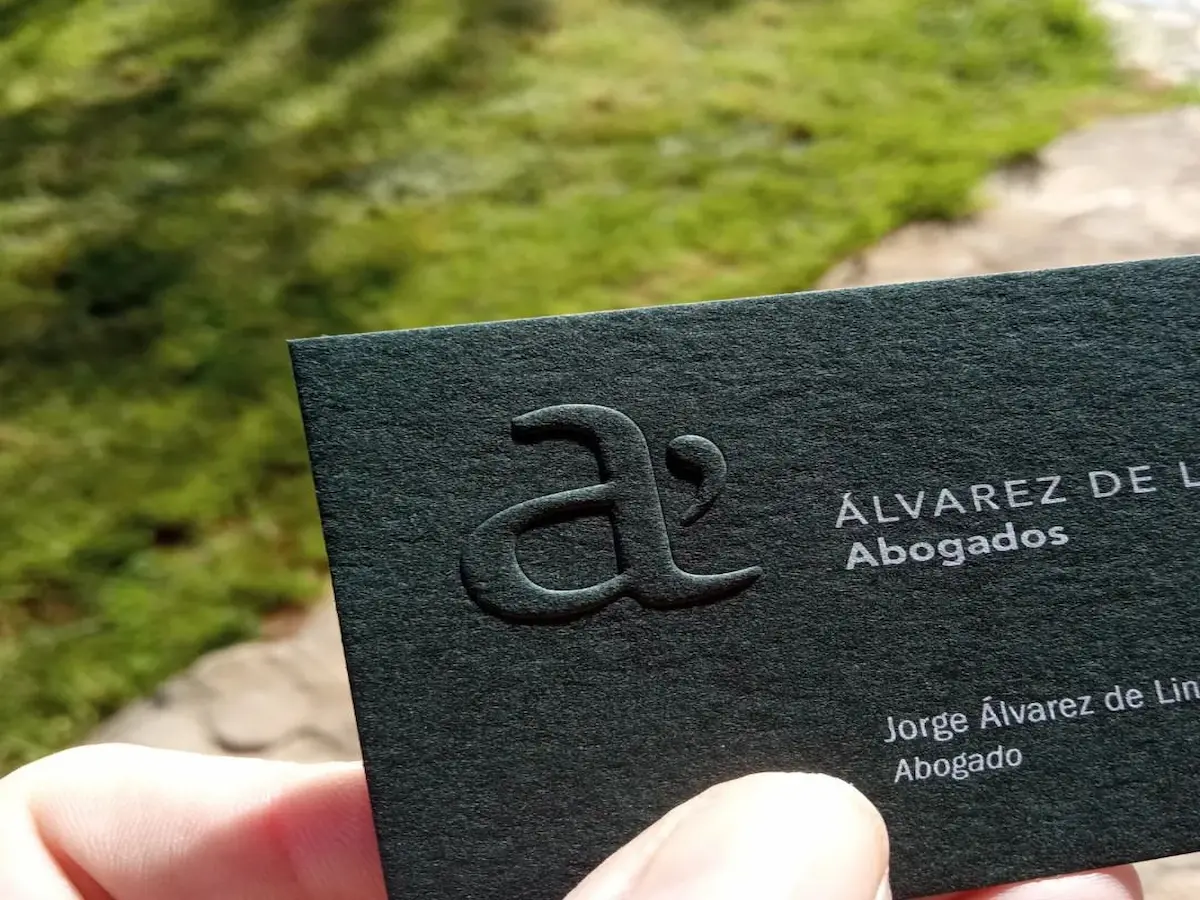
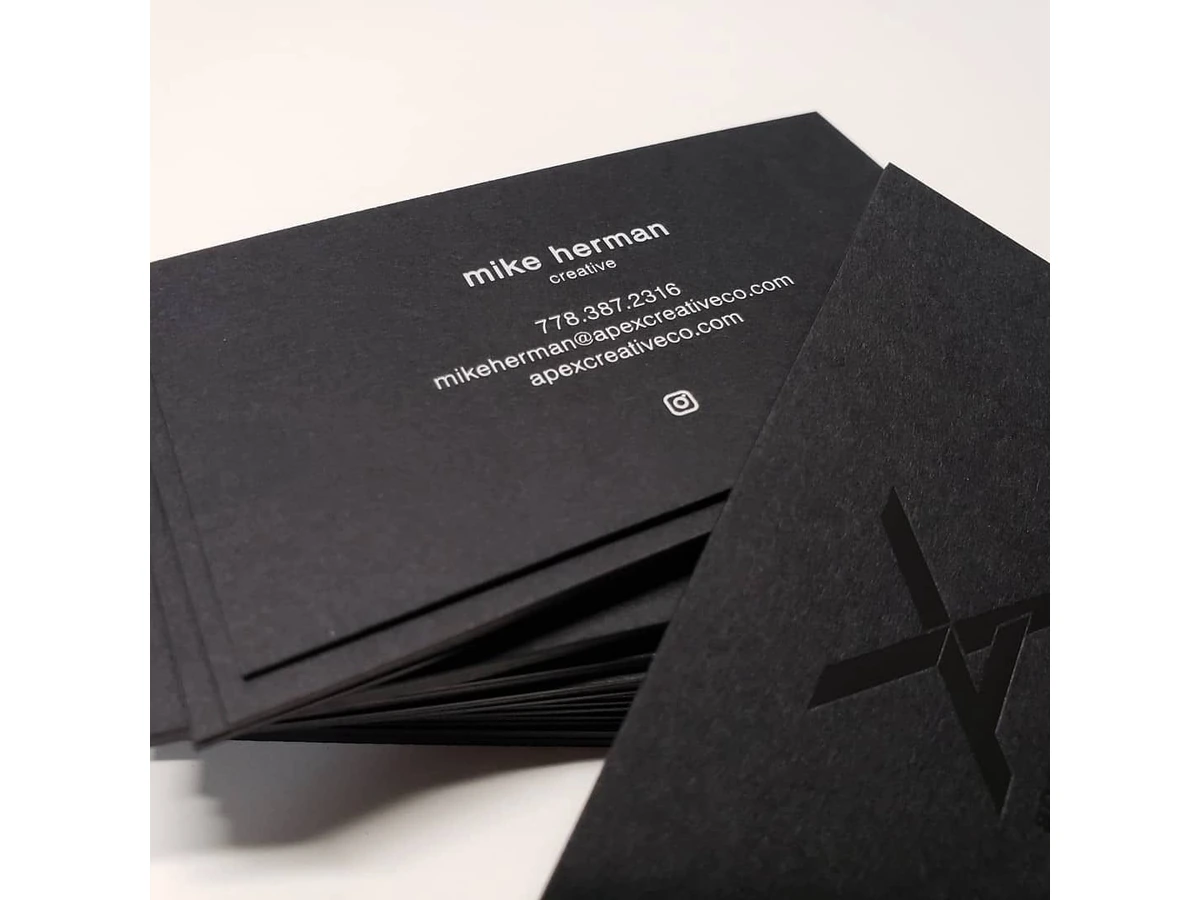
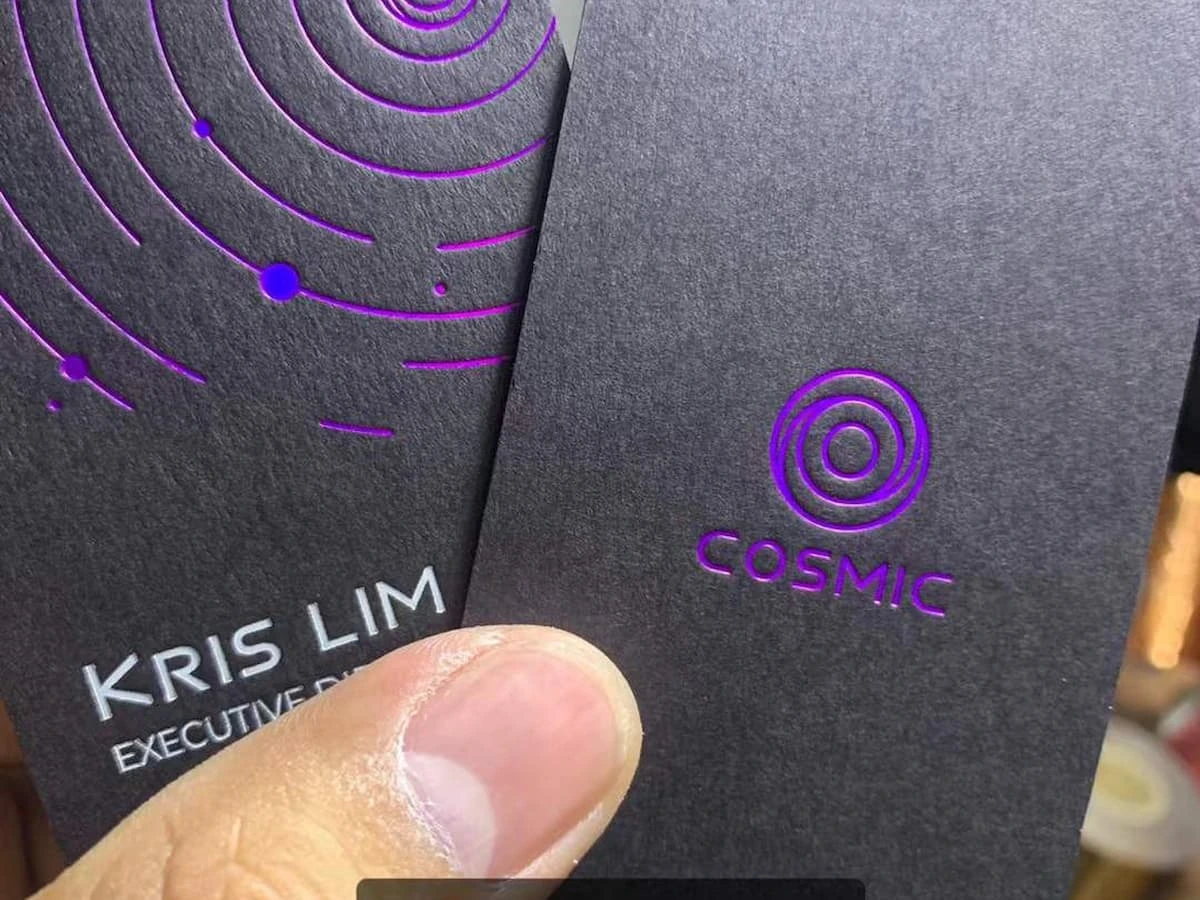
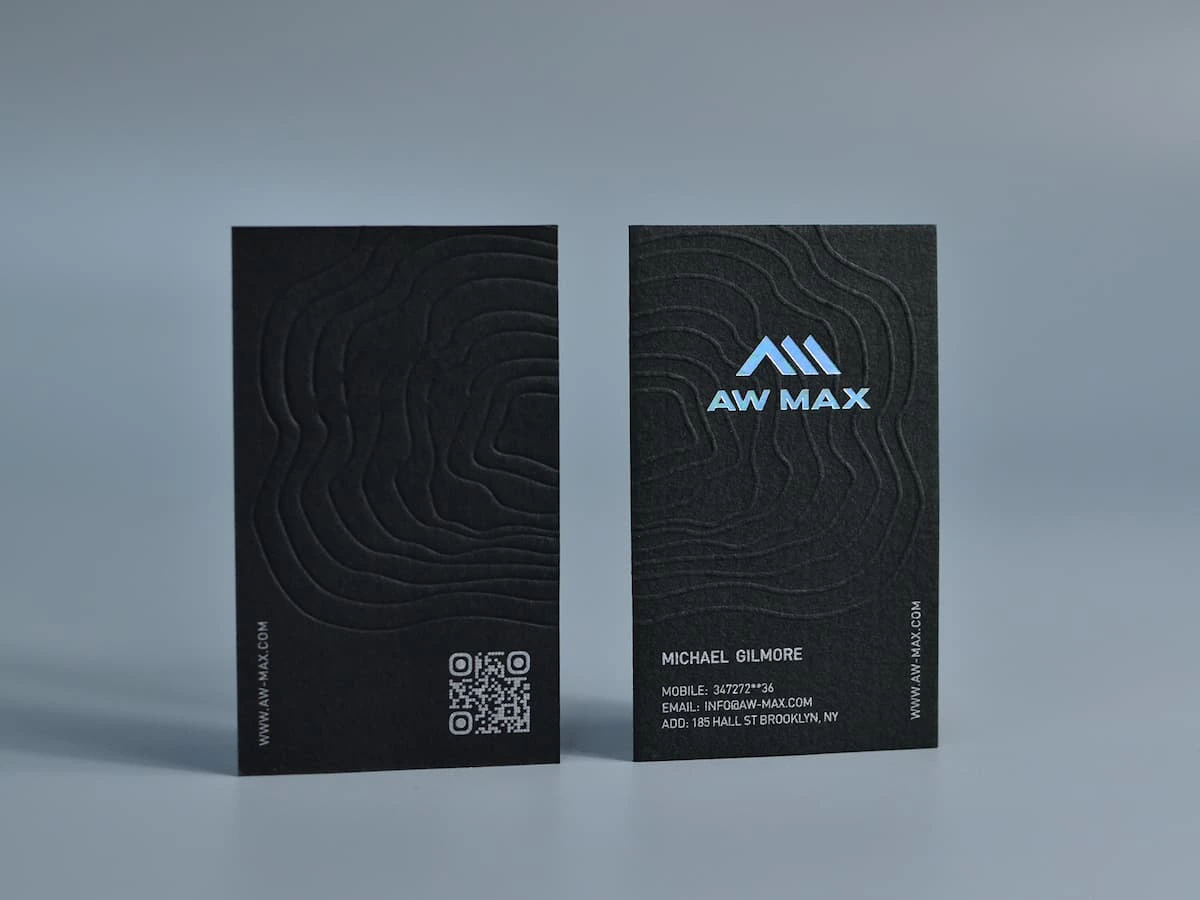
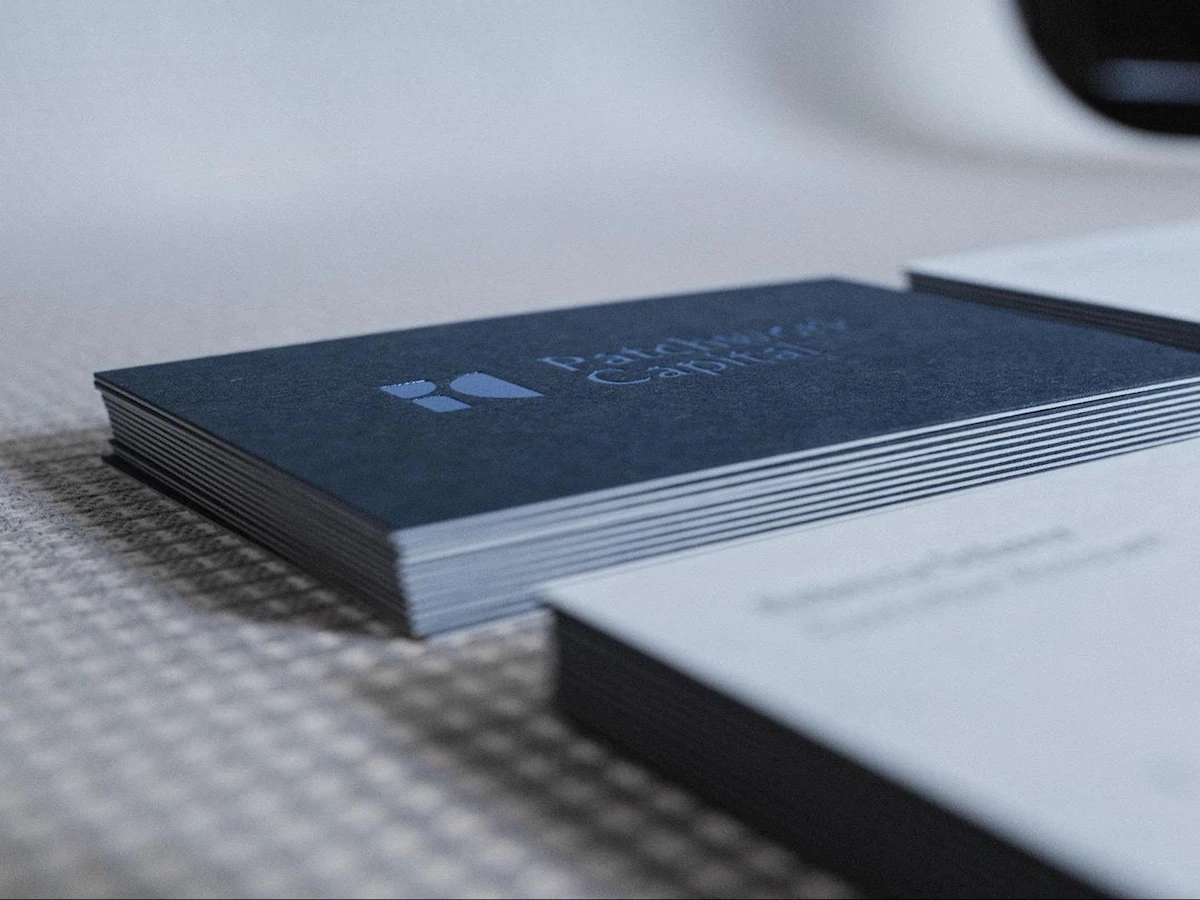
“Black cardstock” is actually a type of specialty paper produced by paper mills. Black pigment or colorant is added while the paper is still liquid pulp, ensuring the paper is black throughout—meaning the cross-section remains black even when cut. What are the advantages of this? Unlike standard coated paper or white cardstock, black cardstock offers an authentic blackness that printed ink simply cannot replicate. That is why black cardstock always holds a special place in the world of high-end business cards.

Color Contrast and White Ink on Black Cardstock

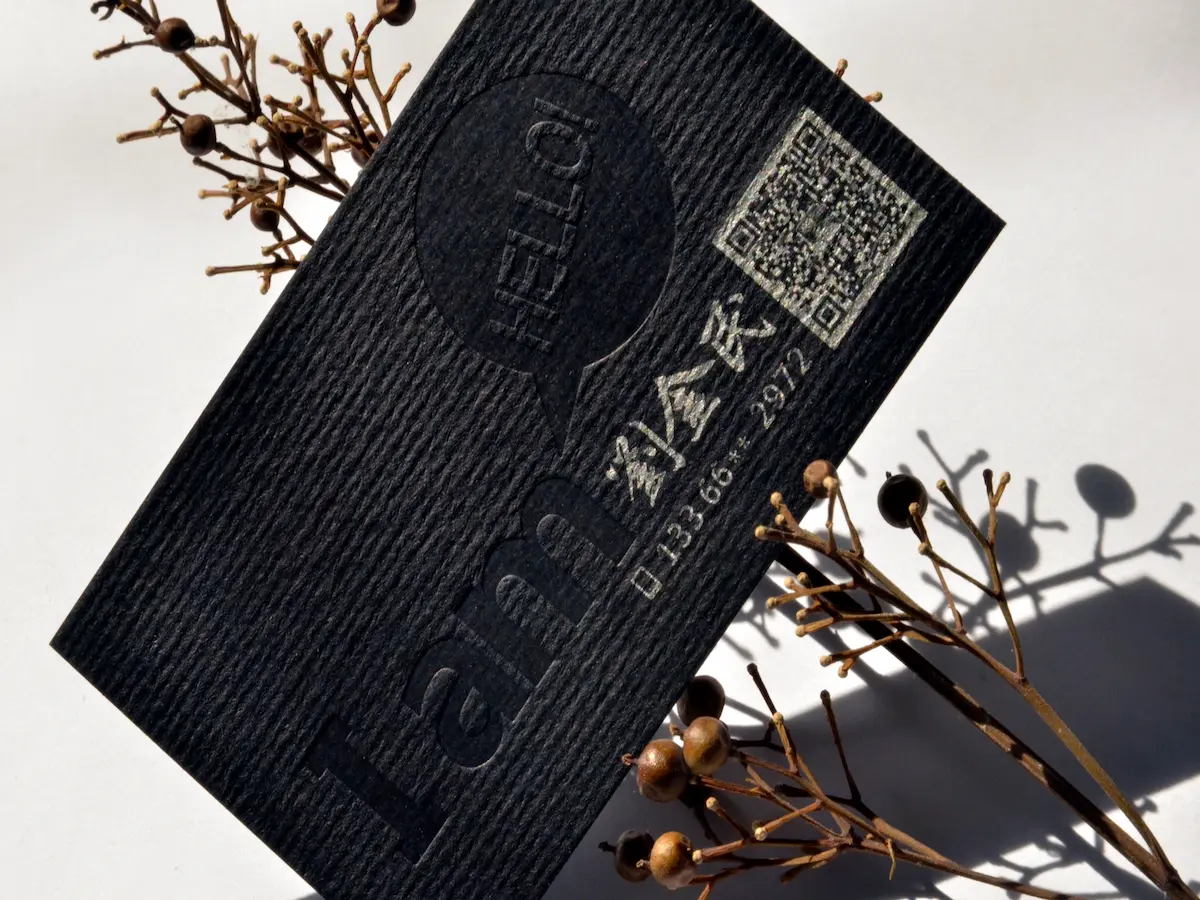
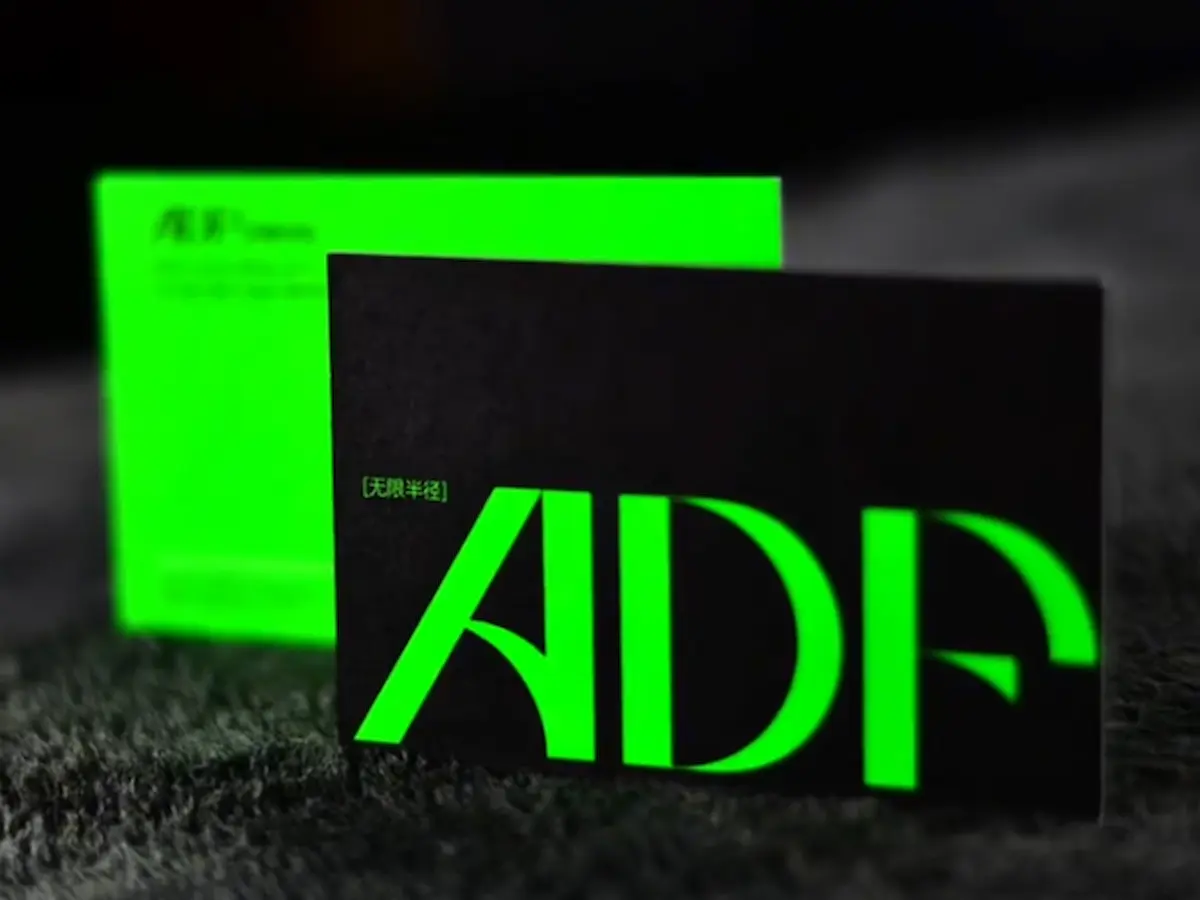
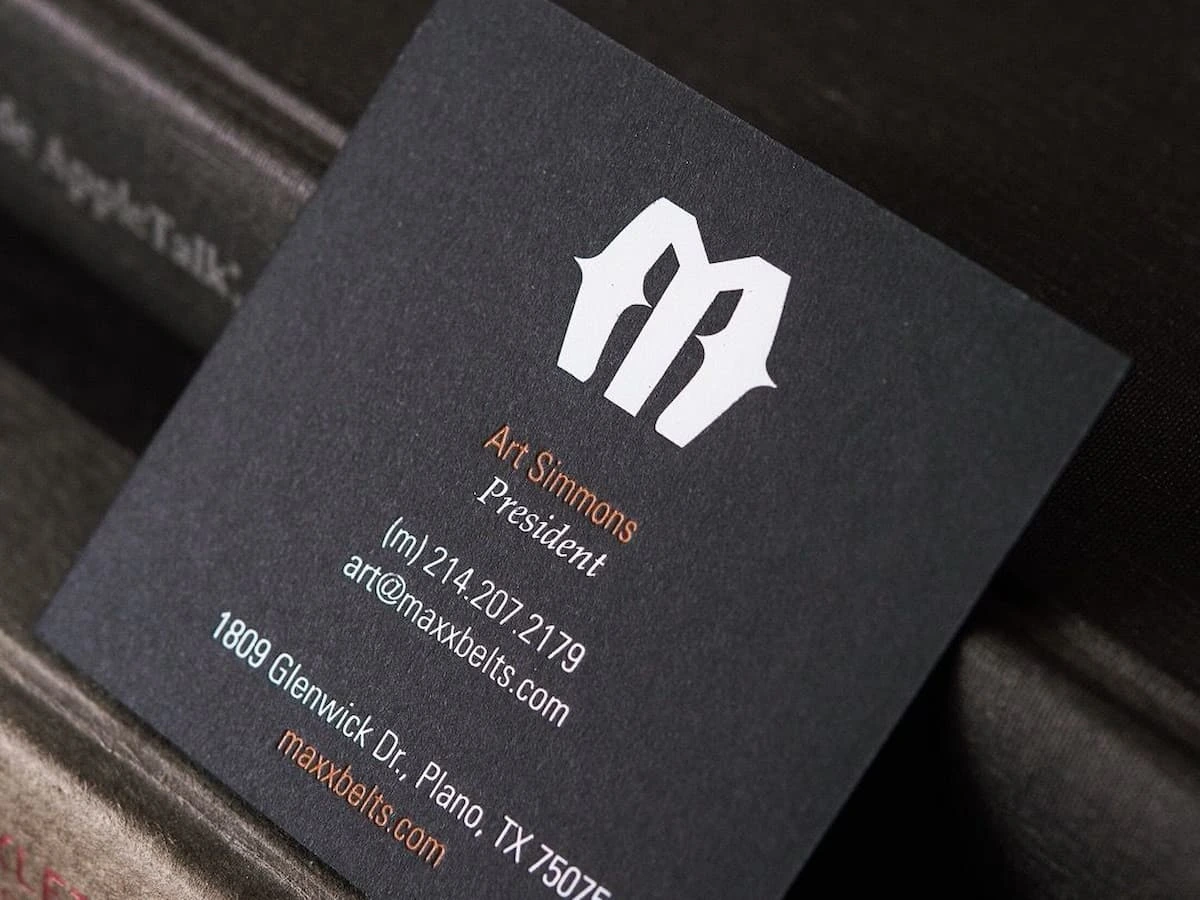
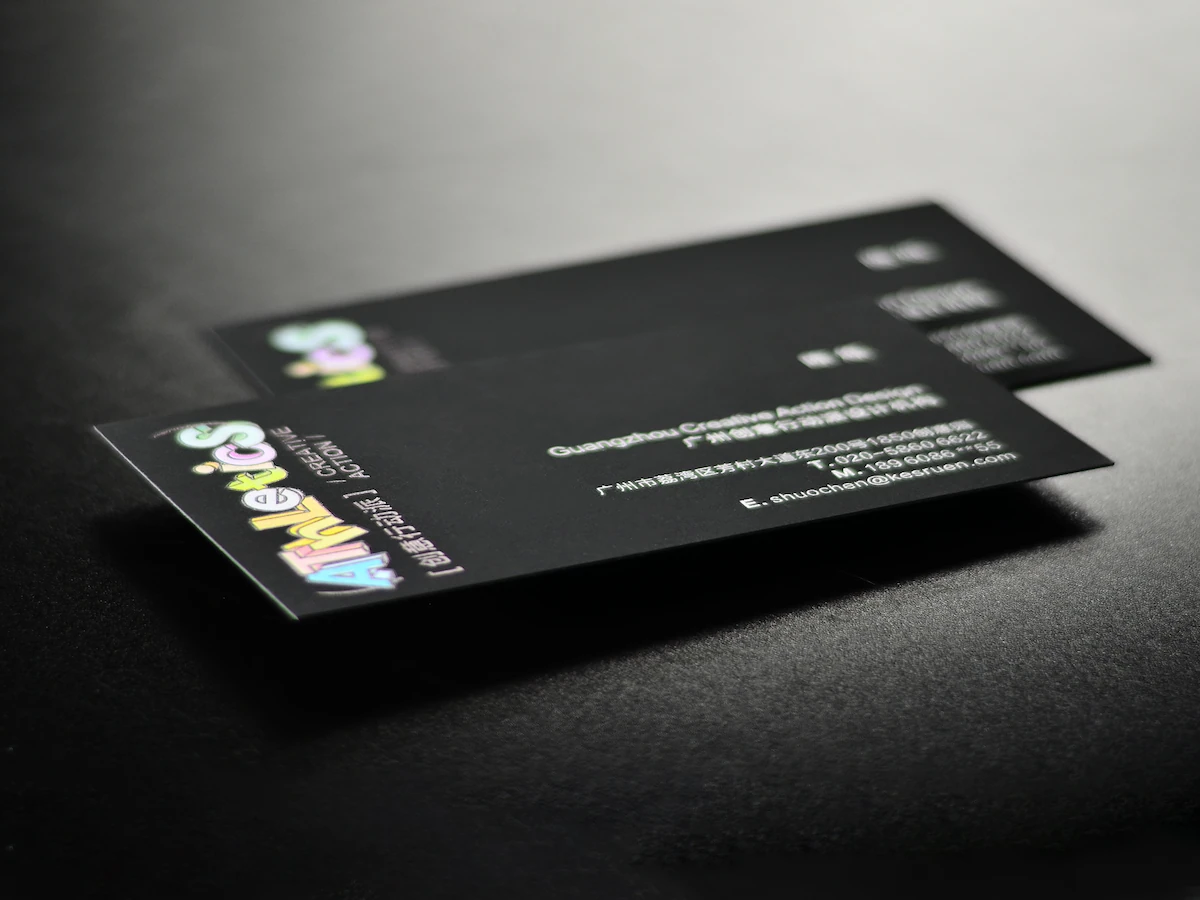
Now that we understand what black cardstock is, let’s address concerns regarding the printed content. The answer is simple: to make your business card stand out, you must follow the rule of pairing light colors with dark colors. Many people agonize over print colors, but when you hand a business card to a client, the content is the first thing that registers in their mind. No matter how excellent the craftsmanship or materials are, the impact is significantly diminished if there isn’t enough color contrast. Because black cardstock is inherently dark, the choice of color becomes clear: you should opt for shades that contrast sharply with black, such as white, orange, or red. Adding textures or surface treatments like UV coating can yield even better results, enhancing both the tactile feel and the visual appeal. However, there is a downside: due to the nature of the material, printing white ink directly onto black cardstock means the white won’t appear as bright or pure as it would on white paper—though it remains perfectly legible.

Foil on Black Business Cards

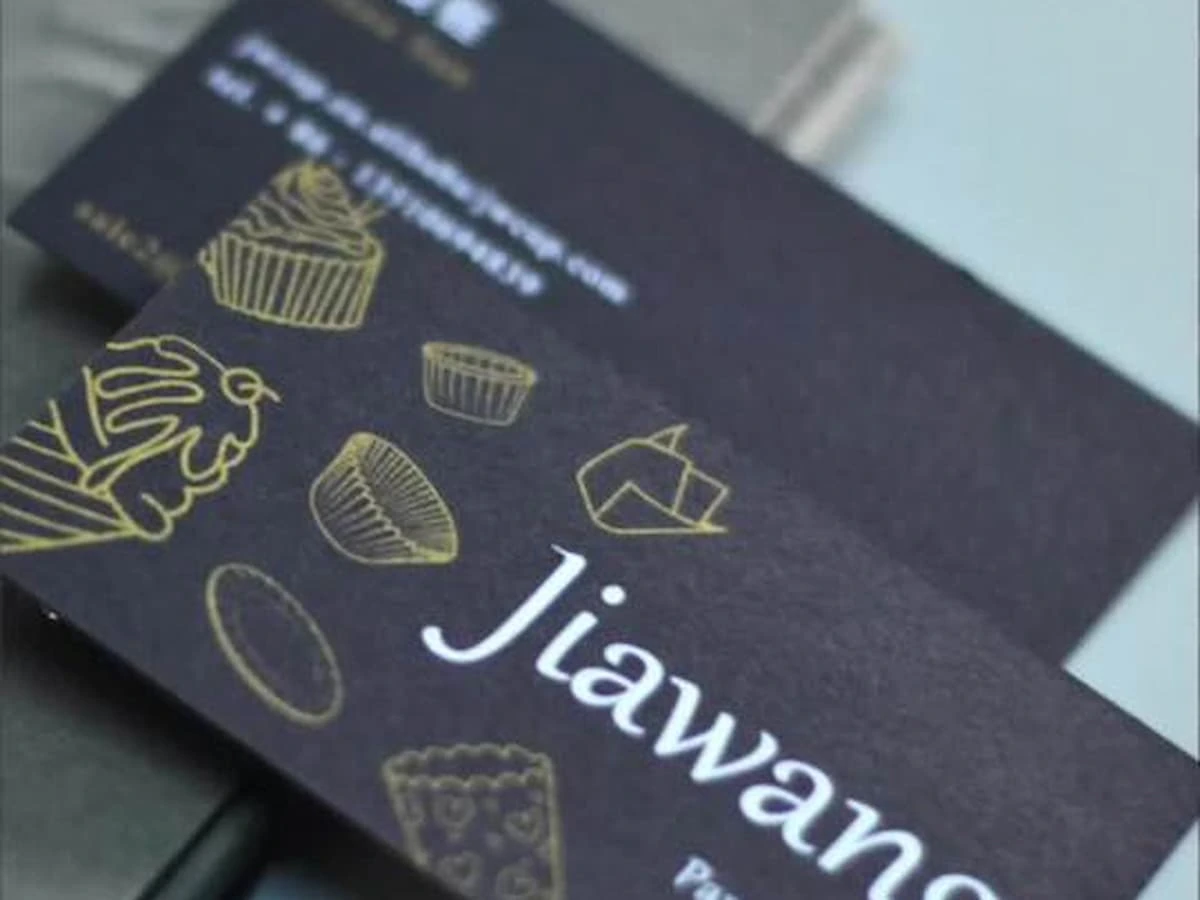
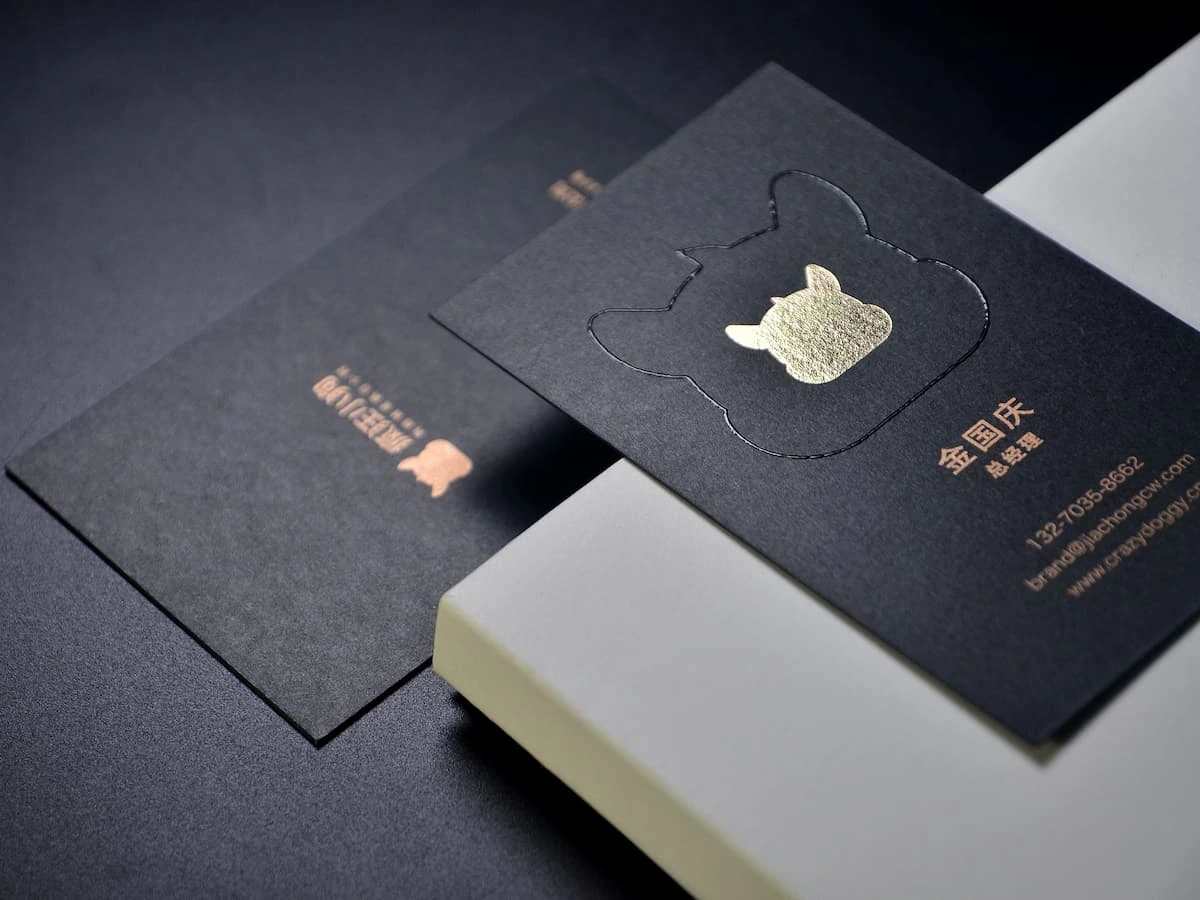
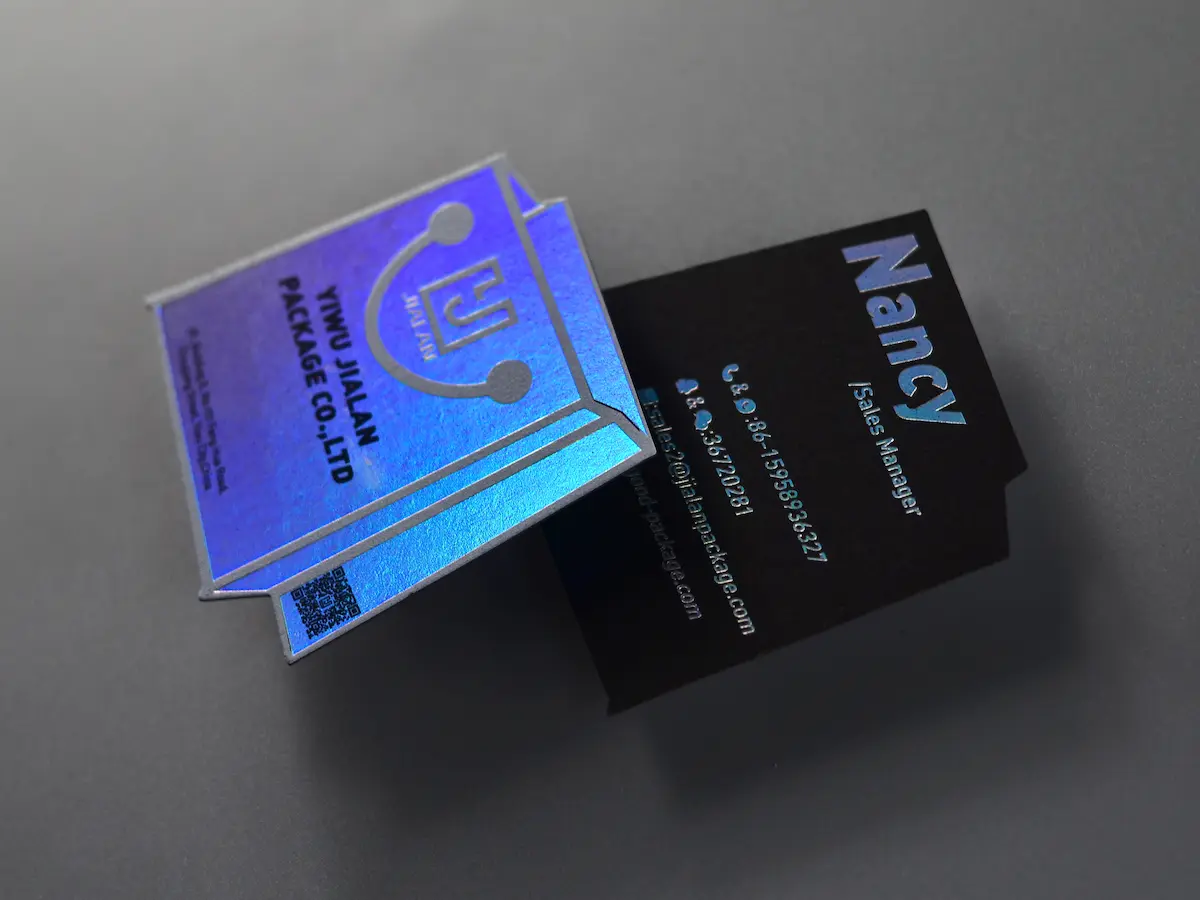
At this point, some might ask: “Is it possible to make it look even more striking and high-end?” My answer is: absolutely. Metallic foil stamping—whether gold, silver, platinum, red gold, or others—is incredibly eye-catching. Metallic colors offer a visual impact that standard printing inks simply cannot match; they create shifting visual effects depending on the viewing angle. Some designs even feature large areas of metallic foil, instantly conveying a sense of high-end sophistication. Words alone cannot fully capture the effect of foil stamping on black cardstock, so I have included some images below to give you a tangible sense of the differences between printing white ink on black cardstock versus using white, gold, or holographic foil stamping.

Why Choose Printed Black Business Cards?

Next, let’s discuss another option: printing solid black ink over the entire surface of white or light-colored cardstock.

This type of black business card is essentially created by printing solid black ink across the whole sheet of white or light-colored paper. It is certainly not a poor choice; in fact, it can achieve a very premium look. Some clients prefer a design with one black side and one white side, making this approach the ideal solution. The base paper used is typically coated paper (art paper), which is excellent for printing—especially for spot colors, where color accuracy is crucial. Coated paper also accommodates a wide range of finishing techniques. Furthermore, since the base paper is white, any white elements in the design can simply be left unprinted, allowing the paper’s natural whiteness to show through.

A client once asked us why so many people choose to print black ink instead of using black cardstock. In our experience, many clients need to match specific corporate colors or logo hues exactly. To minimize color deviation, printing on white or light-colored paper is often the better choice. In other words, black cardstock cannot match the color accuracy achieved by printing black ink on white paper.

Additionally, white paper offers a wider range of options for printing and finishing. Techniques such as lamination, foil stamping, UV coating, embossing/debossing, and full-color printing can be arranged in various combinations depending on the specific material and design. Compared to solid black cardstock, this method of printing black ink provides greater flexibility in design and finishing choices.

Black Paper vs. Printed Black Business Cards: Which Should You Choose?

Based on the distinction we just discussed between black cardstock and white cardstock printed solid black:

True black stock

Choose black cardstock for a seamless black look

ZIVFY’s experience suggests that if you prefer a minimalist, sophisticated look with a solid black appearance throughout, we generally favor black-dyed cardstock. In terms of design, we tend to avoid over-embellishing with complex techniques, allowing the material’s inherent black color and texture to take center stage; this often results in a cleaner, more professional aesthetic.

Printed black

Choose printed black for greater design flexibility

If you opt for white paper with full-bleed black printing, the black color is applied via ink rather than being inherent to the material itself—meaning you won’t get that seamless black look that extends from the surface to the cut edges. However, this approach offers greater flexibility regarding design and finishing techniques. If your design requires multiple colors, spot colors, or extensive post-processing, this method can sometimes be the more suitable choice.