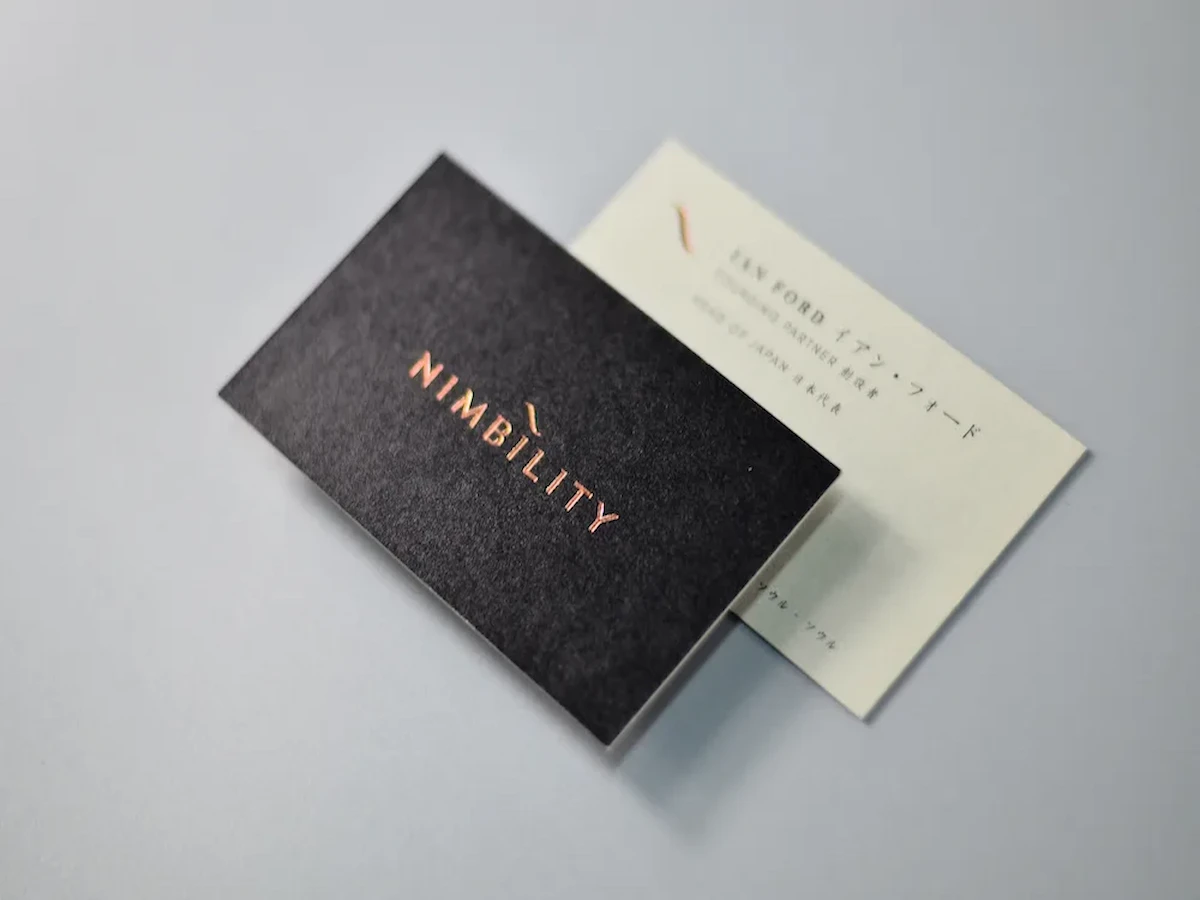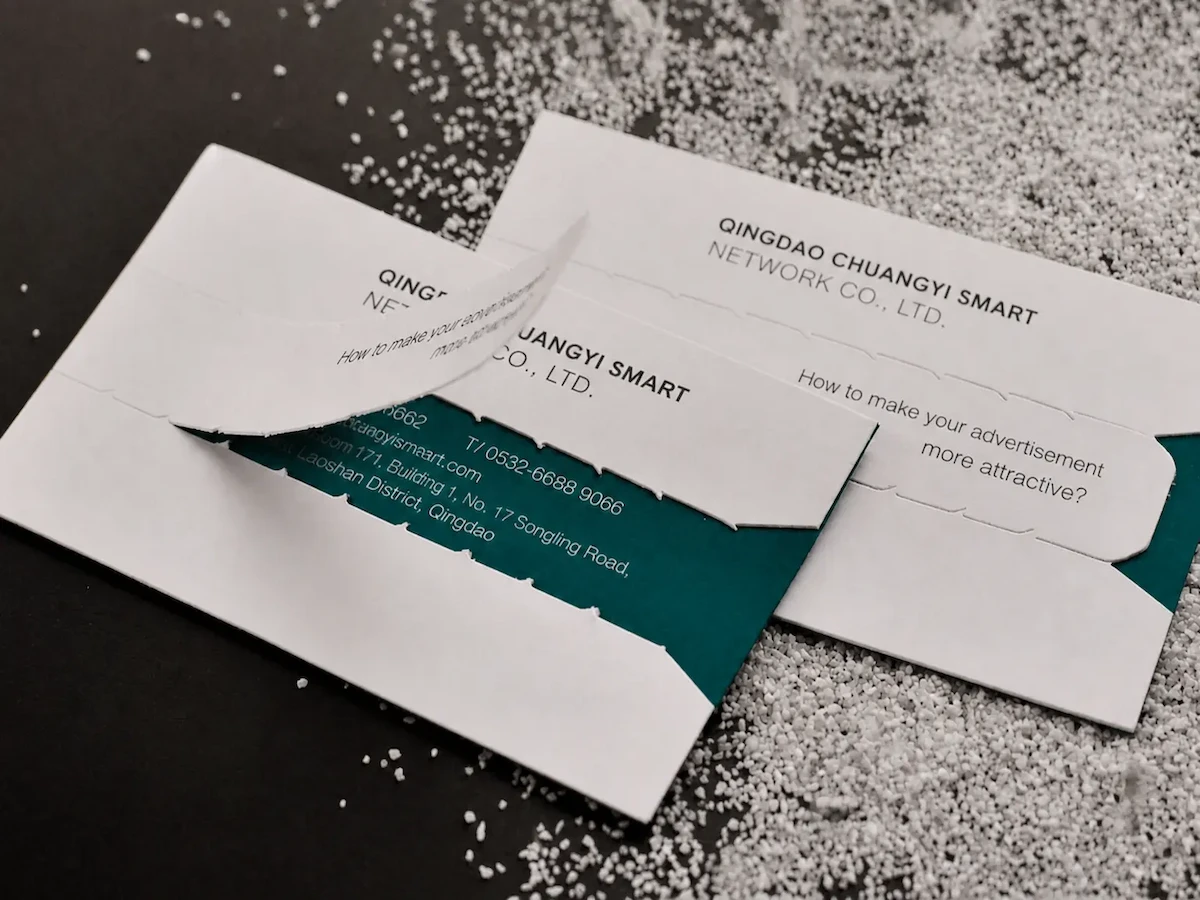
In the internet age, when you and a friend browse the same social media platforms or search engines at the same time, you will find that the two of you see completely different results.
Why? Because the content is personalized. Big data has already picked up on your preferences and your profession, so these platforms show you the content that suits you best. Can business cards, as part of how we connect with people, work the same way? My answer is, of course they can—and they must.
Why Do the Finished Business Cards Still Look a Little Ordinary?
Most people who want duplex business cards start with this idea: “I want a thick business card with a different color on each side. I think this will make a stronger impression when I meet people.”
What they don’t realize is that everyone is thinking the same thing. Over time, what was supposed to be different becomes commonplace.
The difficult part is that when you visit a local print shop or an online store looking for these cards, you find only a few fixed combinations. There isn’t much choice. Gradually, what started as a good idea ends up as a somewhat ordinary business card.
Among the customers we speak with, many feel frustrated and say, “I really just want something a little thicker, with different sides. That’s enough.”
We can’t help feeling that this is a bit of a shame, because two-layer duplex business cards offer so many possibilities. After browsing lots of websites, many people develop a fixed idea that those are the only options. So the results end up looking much the same.
How do we get away from that?
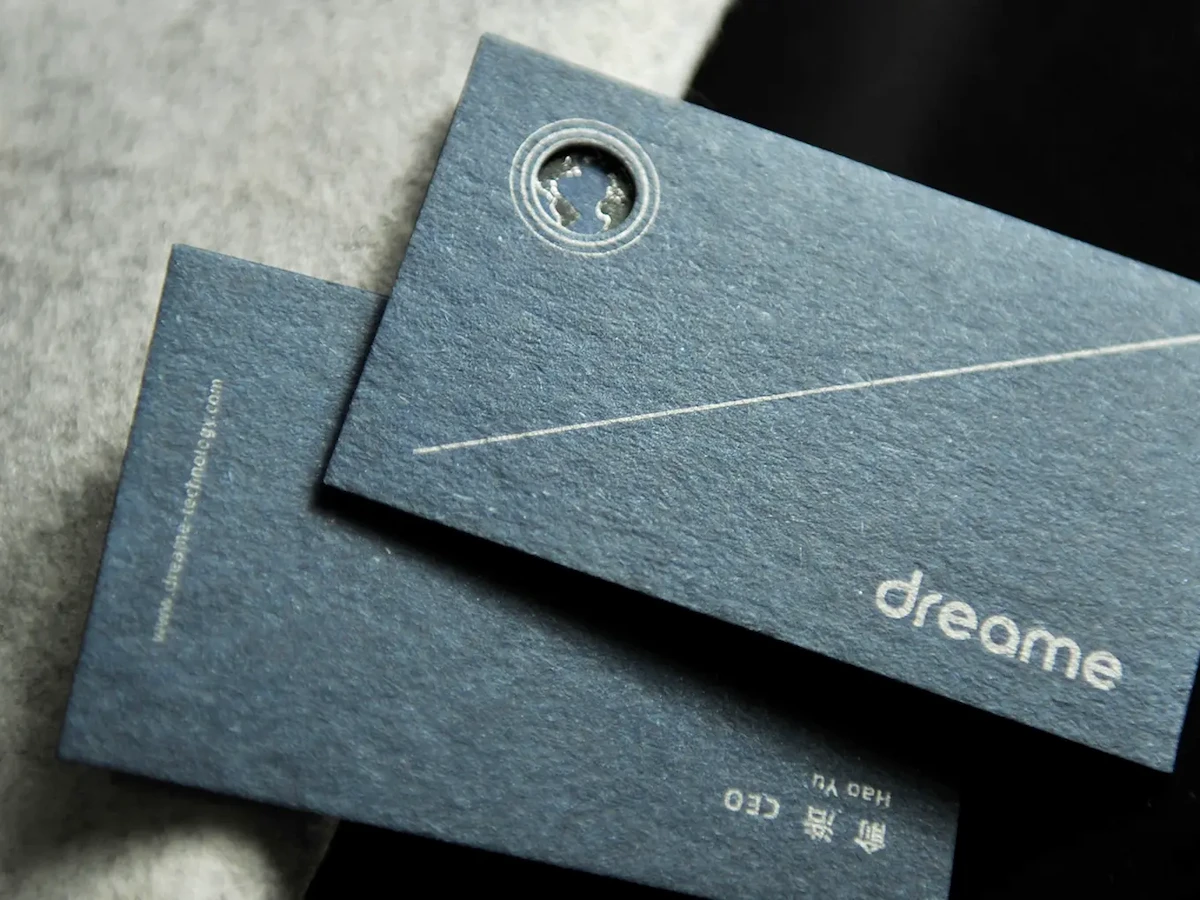
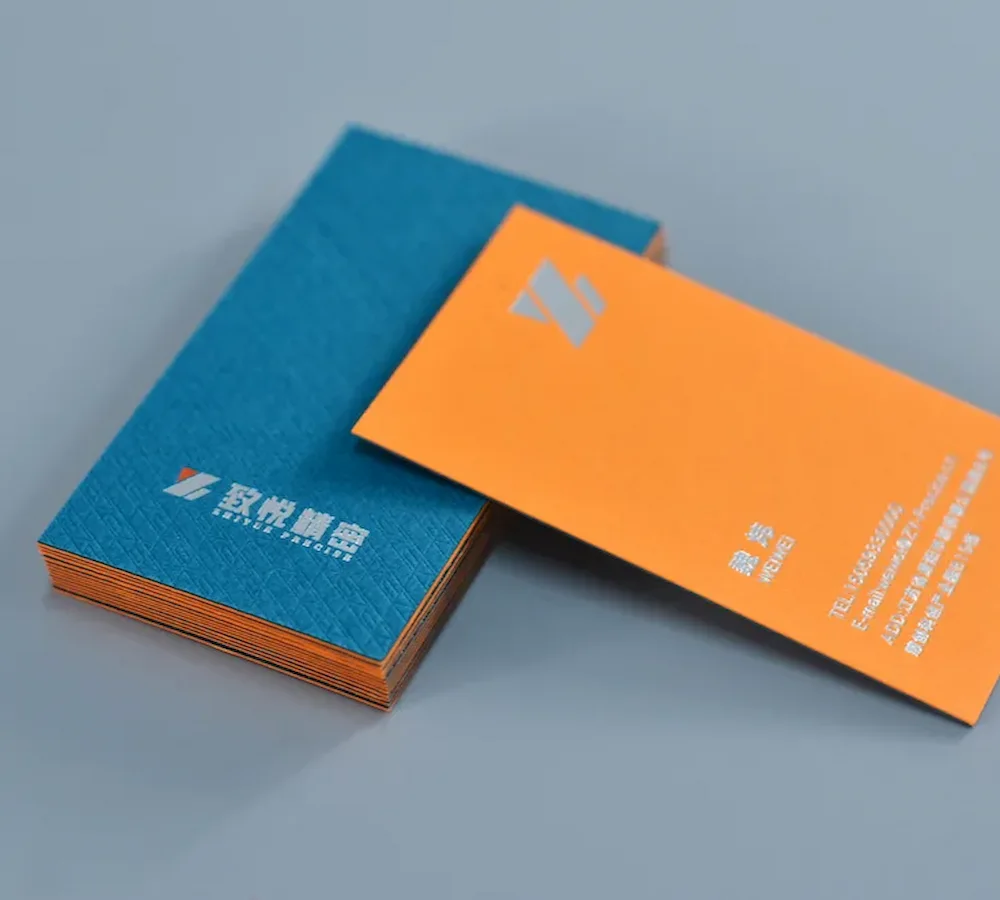
Over 150 Materials to Combine Around Your Own Ideas
This is where ZIVFY’s approach comes in. We have more than 150 different materials that can be combined to create different duplex business cards, with different finishes applied to them.
You don’t need to know the properties of all 150-plus materials. You only need to know that we can choose two from our range to match your idea.
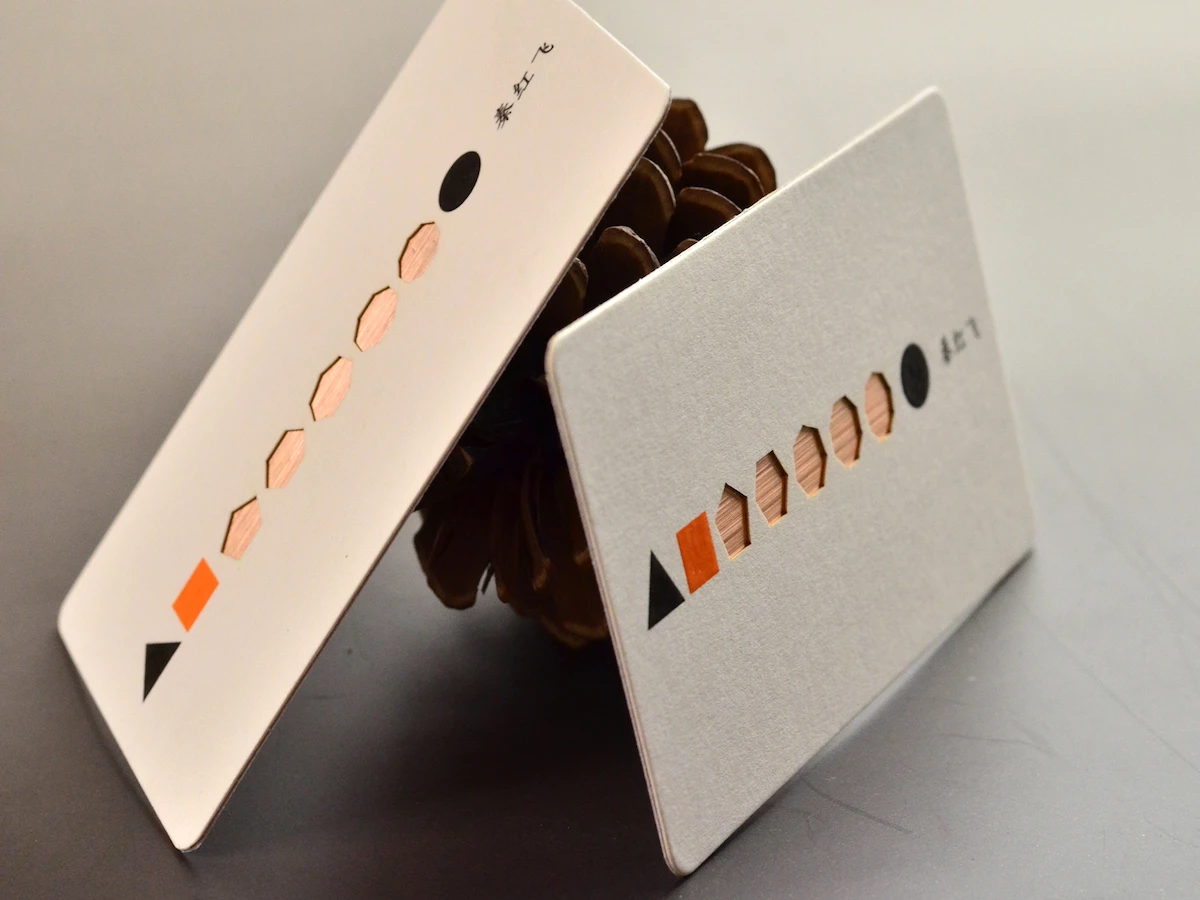
For example, if you are a designer, you can print the design you are most proud of on one side and put your personal information on the other. Why not? Does it have to be so formal—a logo and some information, looking just like everyone else’s? Of course it can be different.
Or, if you are a woodworker, you could use paper with a rough, wood-grain surface on one side, emboss or deboss a few line drawings of wooden objects, and print your personal information on the back.
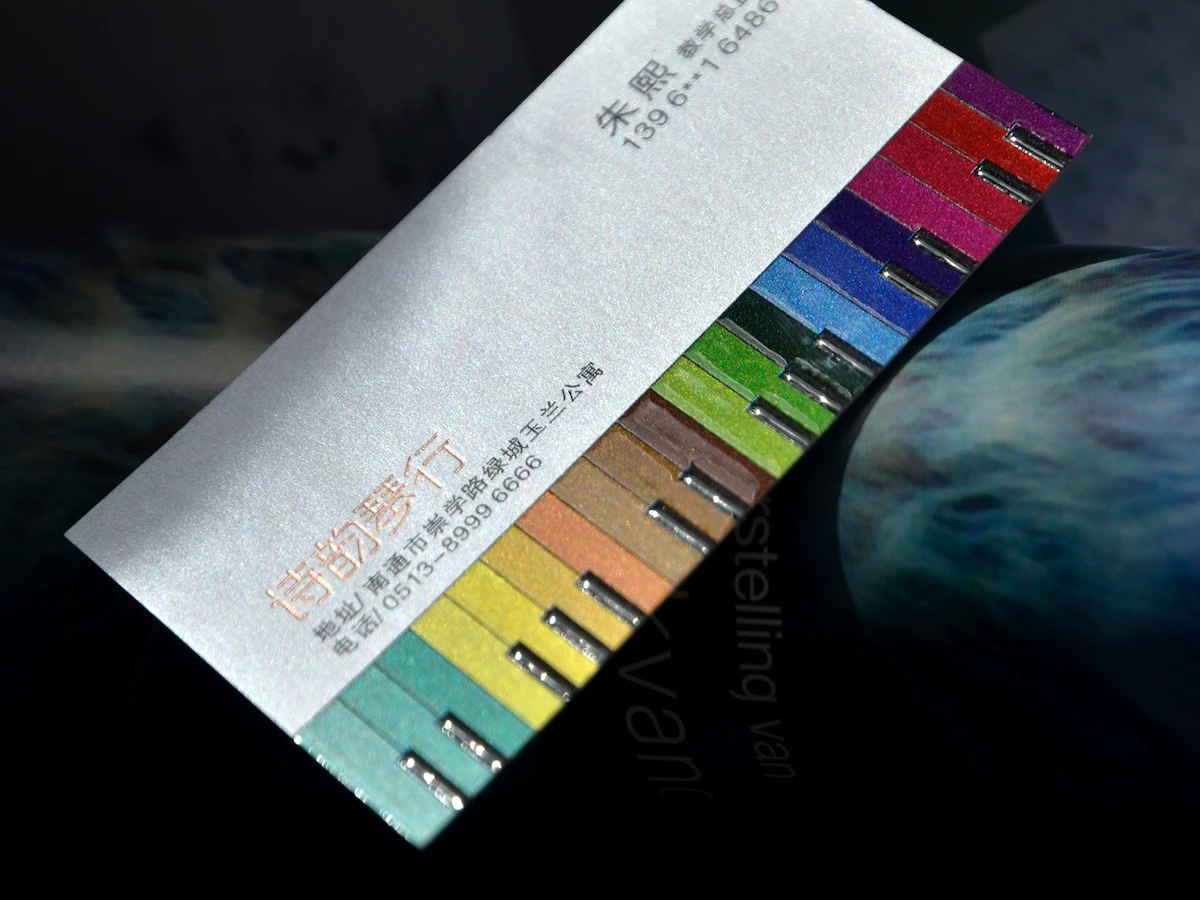
Or, if you are a pianist, I could make the keys raised and create a black-and-white piano keyboard at the very bottom of the card, using spot UV and embossed or debossed details. Your logo and brand name could go above it, with your information on the back. All of that is possible.
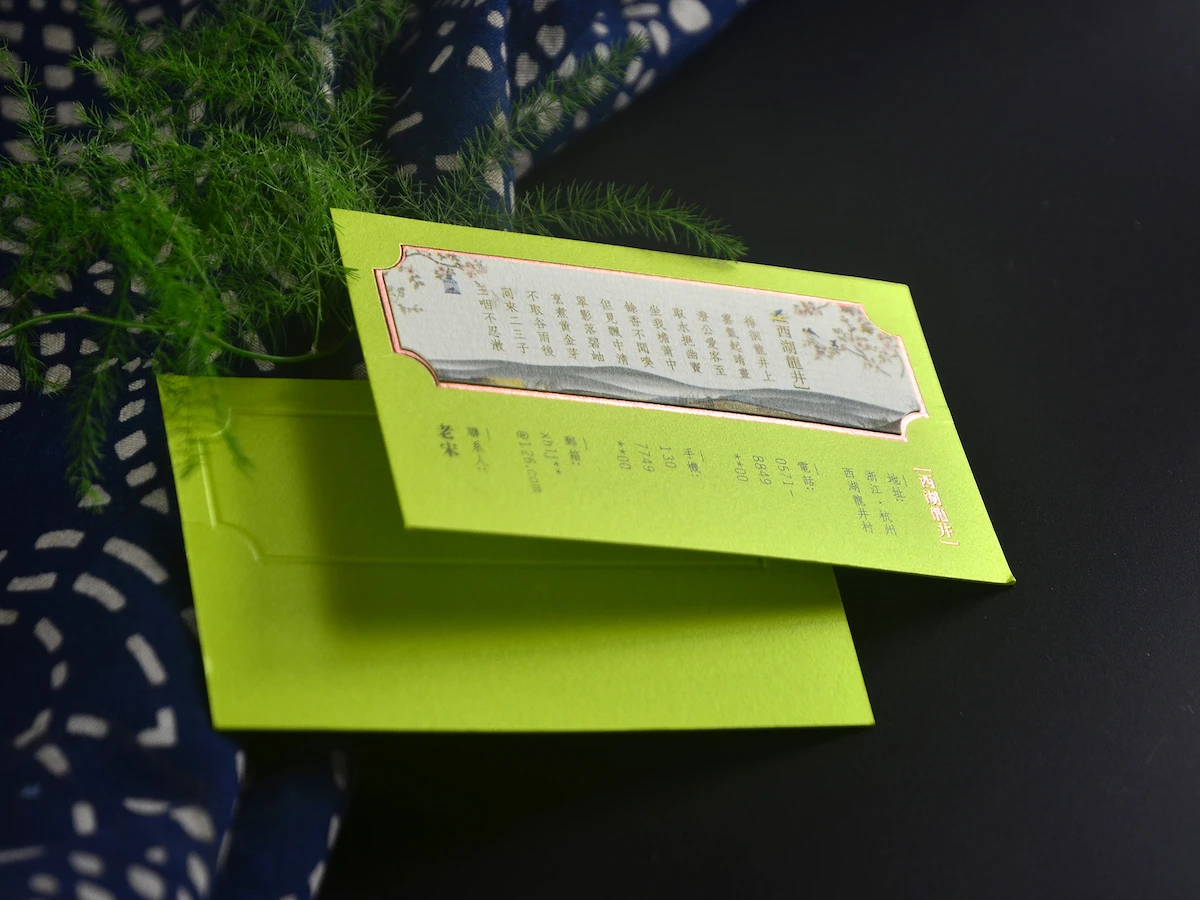
So we should make the most of what duplex business cards offer: the freedom to combine materials and use different finishes. Different material combinations can create effects that ordinary business cards cannot. That is exactly what makes duplex business cards appealing.
So don’t worry about not knowing where to start. Creative ideas come from talking and discussing things. Contact us, and let’s discuss them. That is how we can get a good result.
Free Combinations Still Come with Things to Consider
What comes next is just as important: the benefits of duplex business cards and what to watch for.
You already know the advantages: plenty of room for variation and the freedom to create your own combinations. But there are also things we need to consider. These are not necessarily disadvantages; it is just that some things, once combined, cannot turn out exactly as you imagined.
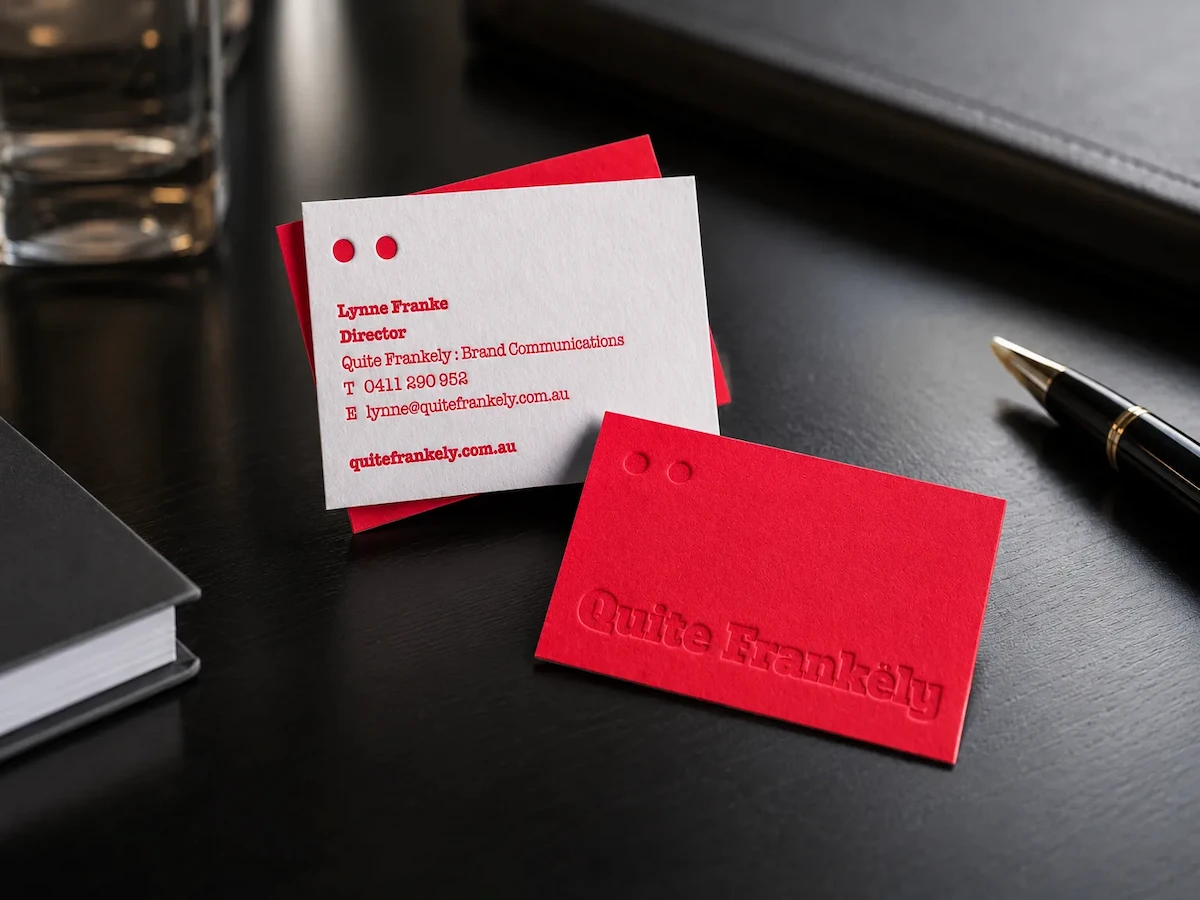
For example, if you want debossing or embossing on one side, you need to consider whether the corresponding area on the other side also needs debossing or embossing, or whether you want one side to have that effect while the other stays flat. These requirements need to be explained in advance.
The same applies to foil stamping, spot UV, rounded corners, and cutouts. It is best not to add these requirements only after all the materials have been chosen. For example, with cutouts, do you want to cut through only one layer or through the entire card? Explain the result you want first, so we can consider the materials and production methods together.
Some brands have specific spot colors built into their logos or brand identity from the beginning. In that case, you need to make some choices, because certain materials are not well suited to spot color printing, which can significantly narrow the available options.
When two differently colored sheets are bonded together, you can clearly see the two layers from the side. Would you prefer painted edges—color applied to the edges of the card—or would you rather keep the original appearance?
You don’t need to know all these considerations beforehand. We will explain them as we discuss your project.
Questions Customers Often Ask About Duplex Business Cards
Here, we have gathered some of the questions customers ask during our discussions and will answer them for you.
Why Are the Cards Flat at First but Start Curling Later? Some customers ask, “The cards look fine just after the sheets are bonded together, but after a while, they start curling and no longer lie flat.”
This generally happens because too much adhesive was used during duplexing. It is not apparent before the adhesive has dried completely. As the adhesive gradually dries over time, uneven stress develops between the two bonded materials, causing slight curling.
To avoid this, we usually place the bonded sheets in a flattening press for a period of time and take them out once the adhesive has dried completely.
Also, when embossing or debossing is involved, we try to use a thinner layer of adhesive for bonding. But don’t worry—less adhesive does not mean a weak bond. We use a specially formulated adhesive for bonding business card papers.
Is a Visible Seam Along the Edge Normal, or Is It a Quality Issue? It is not a quality issue. When two sheets of different colors and materials are bonded together, this will happen. If the two sheets are exactly the same material, you cannot see it. But that defeats the purpose of duplexing.
Trust me, it does not look bad. On the contrary, it brings out the difference between the front and back. If you cannot accept that appearance, you can also choose painted edges.
Will the Two Layers Have Uneven Edges After Bonding? Will there be a noticeable step at the edge, with one layer sticking out and the other set back? No.
The size we work with initially is not the finished size you requested. The sheets we bond together are usually larger than the finished card.
After bonding them by hand—it is impossible to align the sheets by hand with absolutely no error, so some slight misalignment is inevitable—we die-cut them using a cutting die that matches your requested finished size. This means the two layers do not end up with uneven edges.
However, strictly speaking, the text and finishes will not be in exactly the same position on every finished card. There will be small differences in placement. But these are generally not noticeable and do not affect the overall appearance.
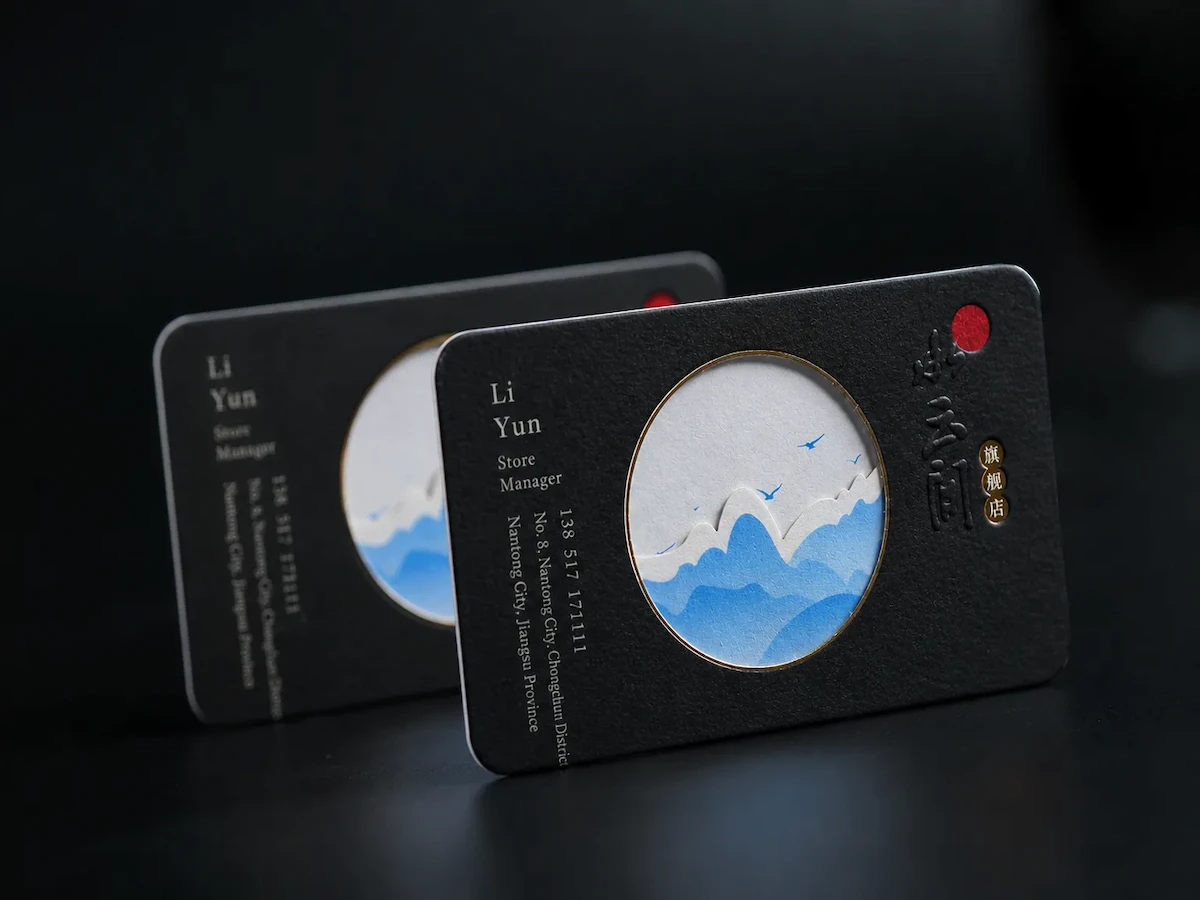
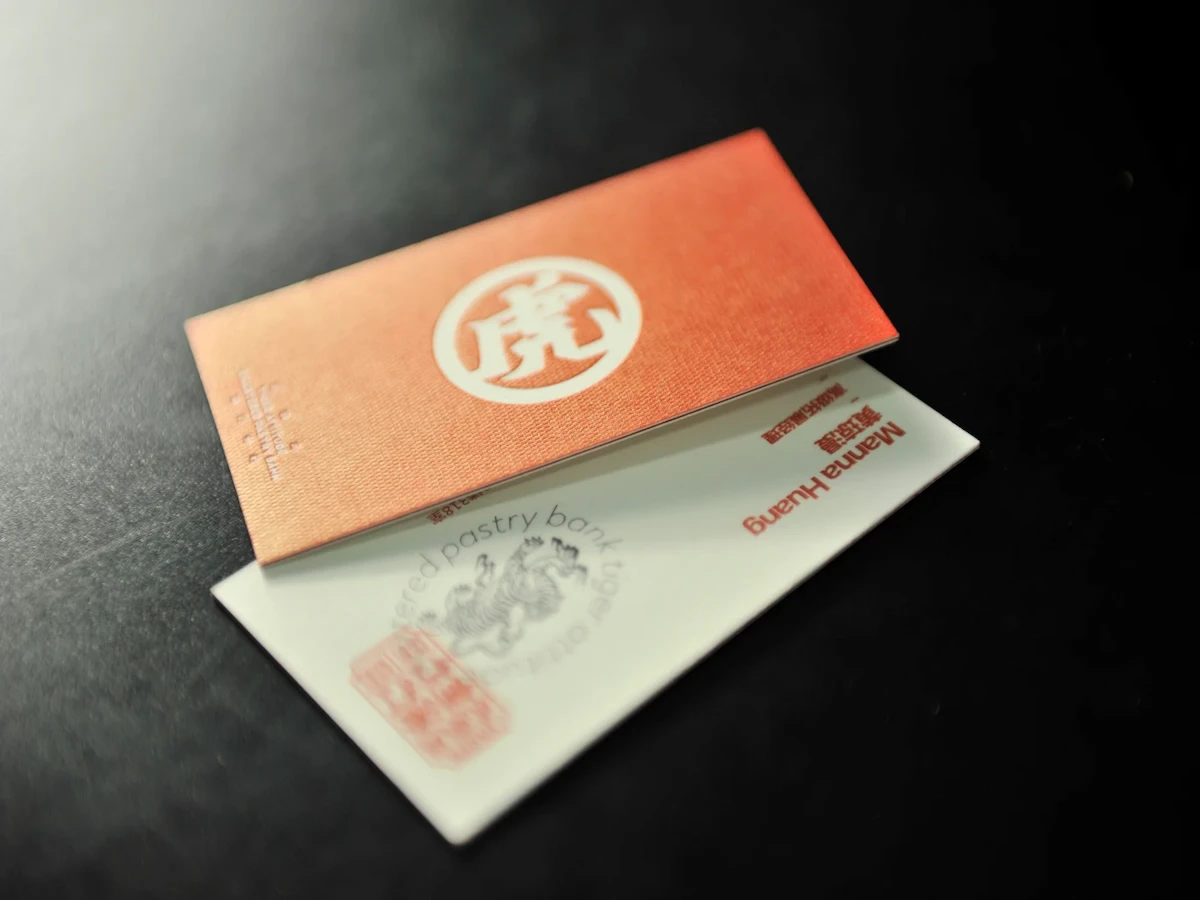
Design and Turnaround Time
If you already have artwork, that is ideal. We can make adjustments to your existing artwork free of charge, because designers may not be familiar with some of the requirements of these finishes.
If you do not have artwork, we can design it for you after discussing your requirements. A design fee will be charged according to the complexity.
The timeline depends on the complexity of the finishes and the time needed for the design. Our usual turnaround is 5–7 days after the artwork is finalized.