
High Contrast
Black Card + Red Foil
Black paper creates strong contrast for gold, silver, red, holographic, or white foil details.
Add metallic foil to logos, monograms, names, borders, QR details, line artwork or selected premium brand elements. Use larger foil marks, controlled foil panels or pressed foil details when the card needs stronger metallic impact.
Foil results depend on the paper surface, card build or thickness, foil color, artwork size and coverage. Choose the closest paper direction below, then send your quantity, shipping country and artwork or reference image. ZIVFY will confirm the compatible paper, build and foil details during quote review. See our artwork, paper, and MOQ guide for preparation details.
Black paper creates strong contrast for gold, silver, red, holographic, or white foil details.
Smooth matte surfaces help larger foil areas catch light without making the whole card glossy.
Cotton-style and light textured papers give foil stamping a softer, more tactile paper feel.
Dark navy cards can be reviewed with heavier paper builds, gold foil details, or low-glare surfaces when the brand needs a more substantial presentation.
Foil can be reviewed with color-core structures, textured surfaces, or strong color-accent designs.
Warm natural papers pair well with restrained gold foil, copper foil, and clean die-cut details.
Textured paper, pearlescent paper and metallic paper stock may support foil stamping, but the final result depends on paper surface, foil color, artwork size and pressure tolerance.
Visible paper grain gives foil a tactile, paper-focused presentation.
View material →Subtle shimmer works well for elegant foil card and stationery-style projects.
View material →Reflective paper stock needs careful review to avoid a confusing metal-card look.
View material →The choices below are common starting directions, not the full foil library. Foil color is reviewed together with paper surface, artwork size and brand style before production.
Metallic gold, matte gold, and warm gold directions for luxury logos, borders, patterns, and details.
Silver foil gives dark green, white, clinic, cultural, and service-brand cards a cooler metallic highlight than yellow gold.
Holographic foil works best when the rainbow reflection stays inside selected foil areas or a deliberate foil panel.
Platinum, pearl platinum, and satin foil suit brands that need a cooler metallic finish than yellow gold.
Colored foil can be reviewed for blue, red, green, bronze, copper, rose gold, and other brand colors.
Specialty foils can create black, white, pearl, purple, platinum, or low-contrast metallic accent effects.
Foil can be combined with debossing, blind press, embossing, spot UV, die cutting, QR details, white ink or thick card structures. Final suitability depends on paper, artwork detail, foil area and tolerance.
Foil can be pressed into selected artwork areas for a more tactile premium impression.
Use foil for selected highlights and blind deboss or low-contrast texture for subtle tactile detail.
Raised or pressed details can be reviewed for logos, monograms, icons, or selected artwork areas.
The red card uses a pressed surface texture with a small metallic foil detail, so it belongs with debossed or tactile foil combinations rather than UV.
Gloss or raised UV can add visible contrast when it is separated clearly from metallic foil text or logo areas.
Blue-gold foil and shallow debossing can give a white business card a sharper technical or corporate finish while keeping the surface readable.
Foil can highlight QR-style contact details, digital access cues, or selected brand marks when the layout remains readable.
Use these examples to decide whether your project needs a large foil statement, a small metallic logo, a service-brand layout, platinum foil, or a more experimental specialty foil detail.
Small gold logo and quiet corporate typography for a restrained business identity.
Pet, wellness, clinic, and service brands can use foil as a small premium brand cue.
This direction uses a raised embossed monogram with a restrained metallic line, so it should be reviewed as emboss plus selected foil detail rather than a silver-foil color sample.
A controlled gold foil mark can add premium detail without making a medical card feel decorative.
Platinum or white-gold foil gives real estate and service-brand cards a cooler, cleaner metallic tone than standard yellow gold.
Matte gold foil gives white and gold-tone card layouts a warm metallic finish without the sharp mirror shine of bright gold foil.
Use the ZIVFY sample book as a material and finish reference for paper feel, card thickness, matte surfaces, foil-related samples, debossing, gloss details and premium business card directions.
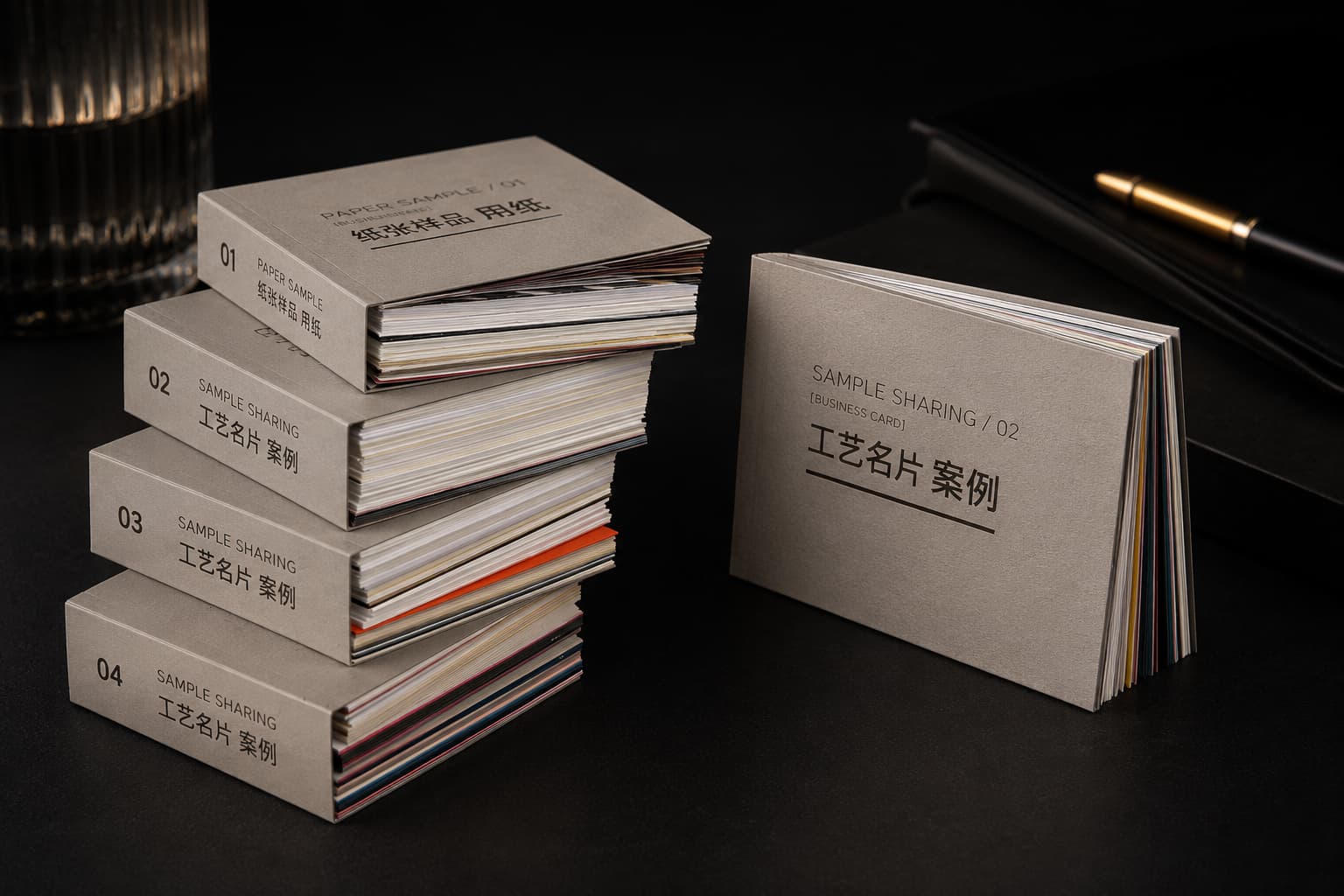
Send your quantity, card material, foil color, print direction, artwork files, shipping country and target timing. We will review foil area, paper suitability, pressure tolerance and production feasibility before confirming pricing.
Not sure about foil color, paper type or card thickness yet?
Send us your logo, reference image or basic idea. We can review the details and recommend suitable foil business card options before quoting.
Submitting this form does not require payment. We review your project details first and send a custom quote for your approval.
Foil result depends on paper, artwork scale, pressure, foil color and finish combination. These answers help narrow the direction before production review.
Foil works best on selected logos, names, monograms, borders, icons, line artwork, patterns, and controlled highlight areas. Very tiny text, thin hairlines, or oversized solid foil areas may need adjustment before production.
Yes. Foil can be reviewed with debossing for a pressed-in metallic effect. Suitability depends on paper thickness, foil area, artwork detail, and pressure tolerance.
Yes. Common directions include gold, silver, holographic, platinum, satin, pearl, black, white, and colored foils. The final foil choice is reviewed with your card paper, artwork size, and brand style.
Yes. Foil can be combined with selected finishes such as spot UV, deboss, emboss, die cutting, white ink, Pantone color, or thick card structures when the artwork and paper can support the combination.
For most custom foil business card projects, the practical quote direction starts from 200 pcs. Higher quantities usually make foil setup and finishing more efficient.
No. You can send print-ready artwork, logo files, text, rough layouts, or reference images. We can review foil area, paper direction, and production feasibility before confirming the quote.
No. The sample book is a material and finish reference. It helps compare paper feel, thickness, foil-related effects, debossing, gloss details, and premium card directions, but it does not include every possible custom combination.
No. Metallic foil is a physical material, so it reflects light differently from screen color or printed ink. We can review the closest suitable foil direction, but exact screen color matching is not guaranteed.