
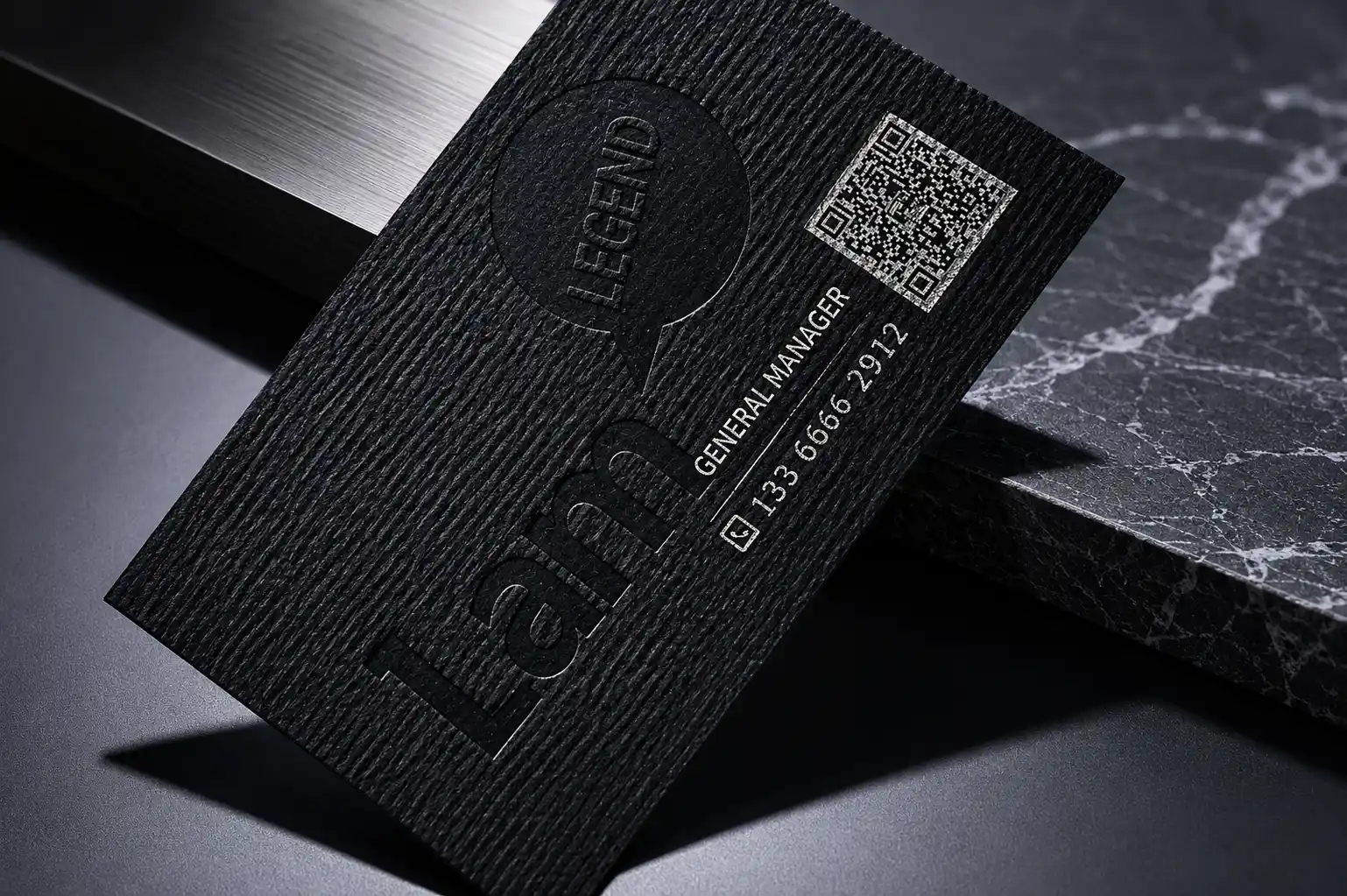
Fine Horizontal Ribbed Texture
Black horizontal ribbed texture
Fine lines run in one direction across this black paper. This example is ribbed, not crosshatch linen.
Compare linen, ribbed, laid, fine grain and eggshell papers, with different thicknesses, colors and finish options. Send your artwork or a reference, or contact us for help choosing.
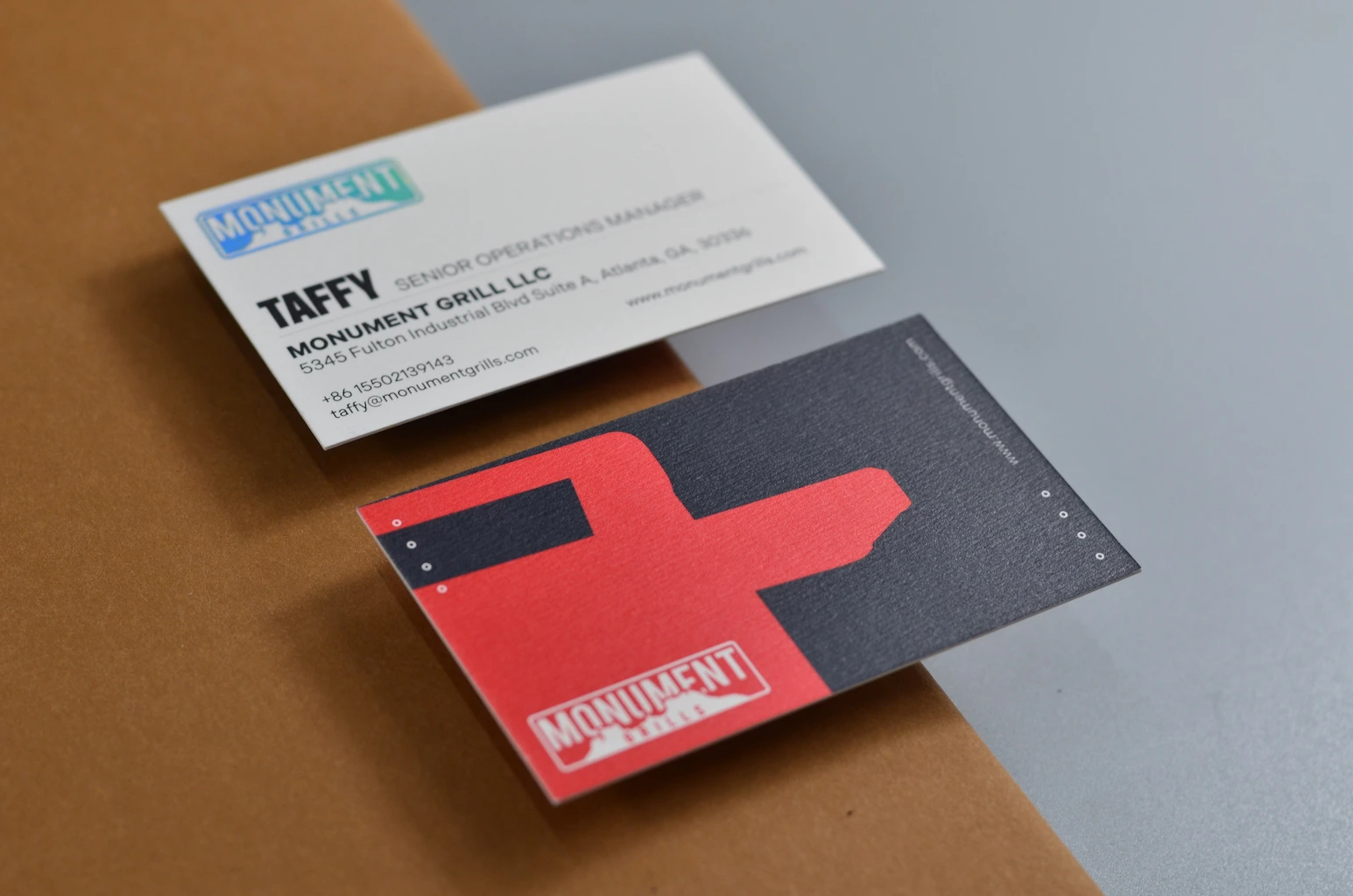
Linen business cards have a crosshatch pattern with lines in two directions. Ribbed and laid papers have parallel lines; fine grain and eggshell have a less directional surface. The first three examples show the same horizontal ribbed texture in different colors. For linen, tell us you want the crosshatch pattern.
Fine lines run in one direction across this black paper. This example is ribbed, not crosshatch linen.
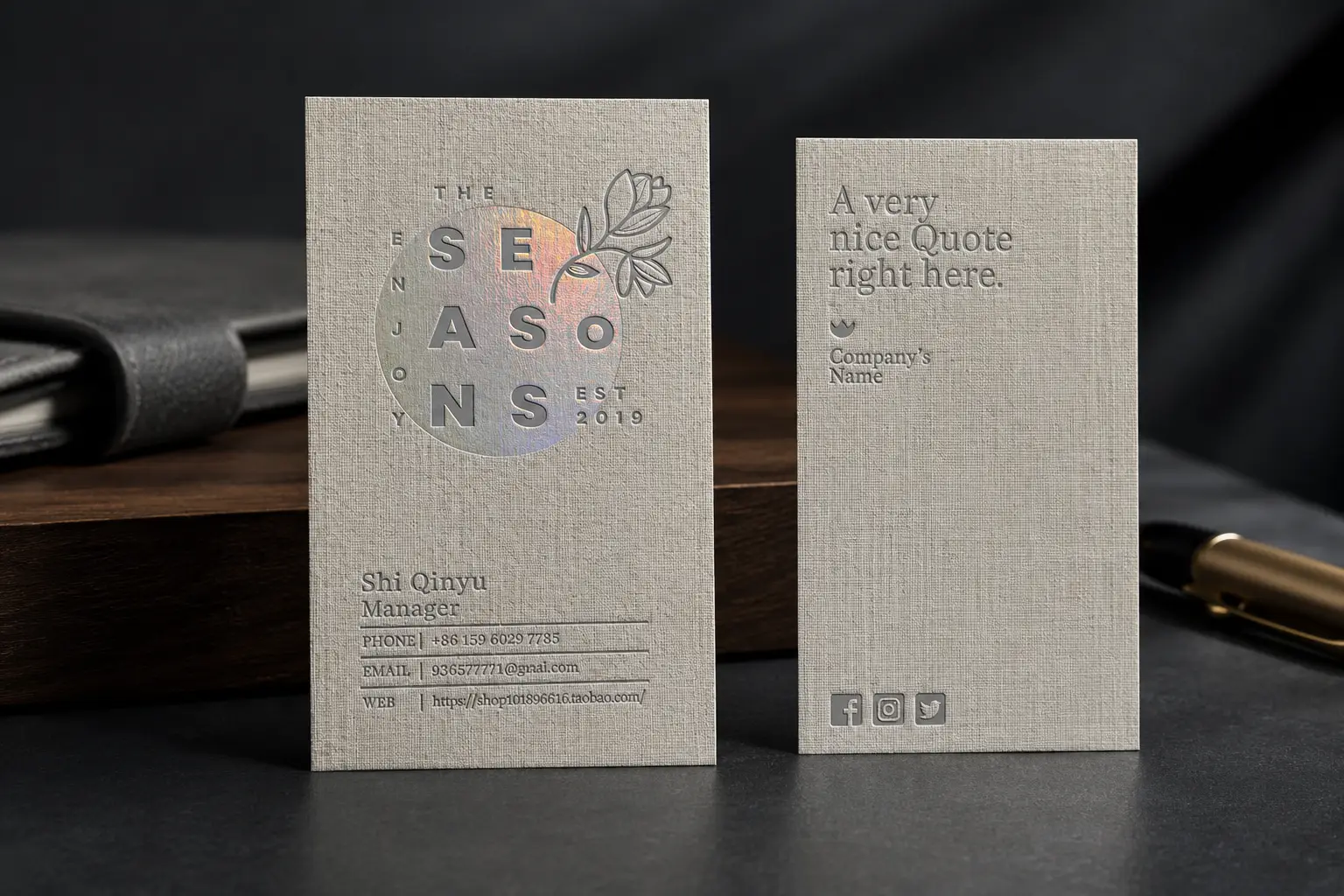
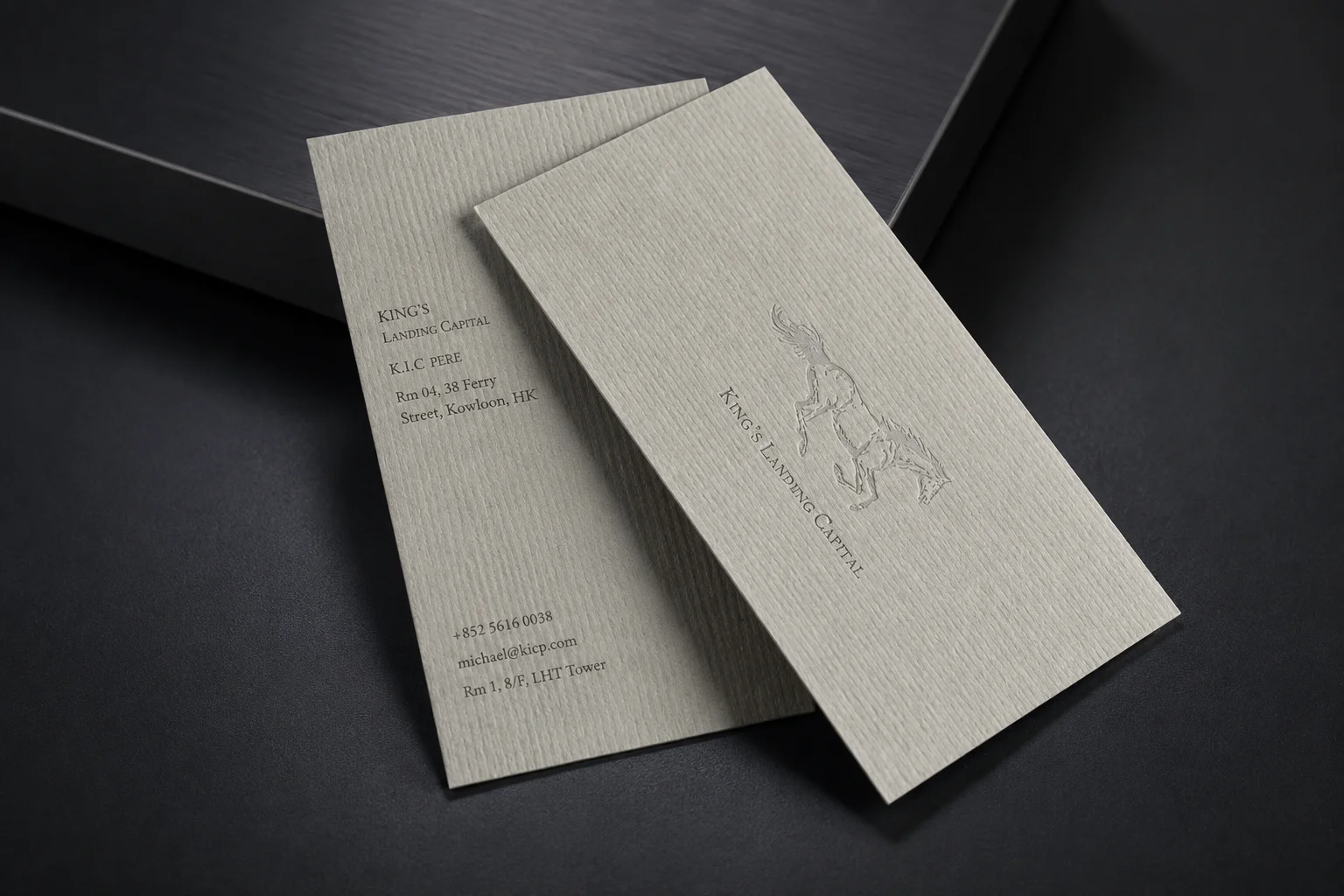
This light paper has the same fine horizontal ribbed texture, shown with simple text and logo details.
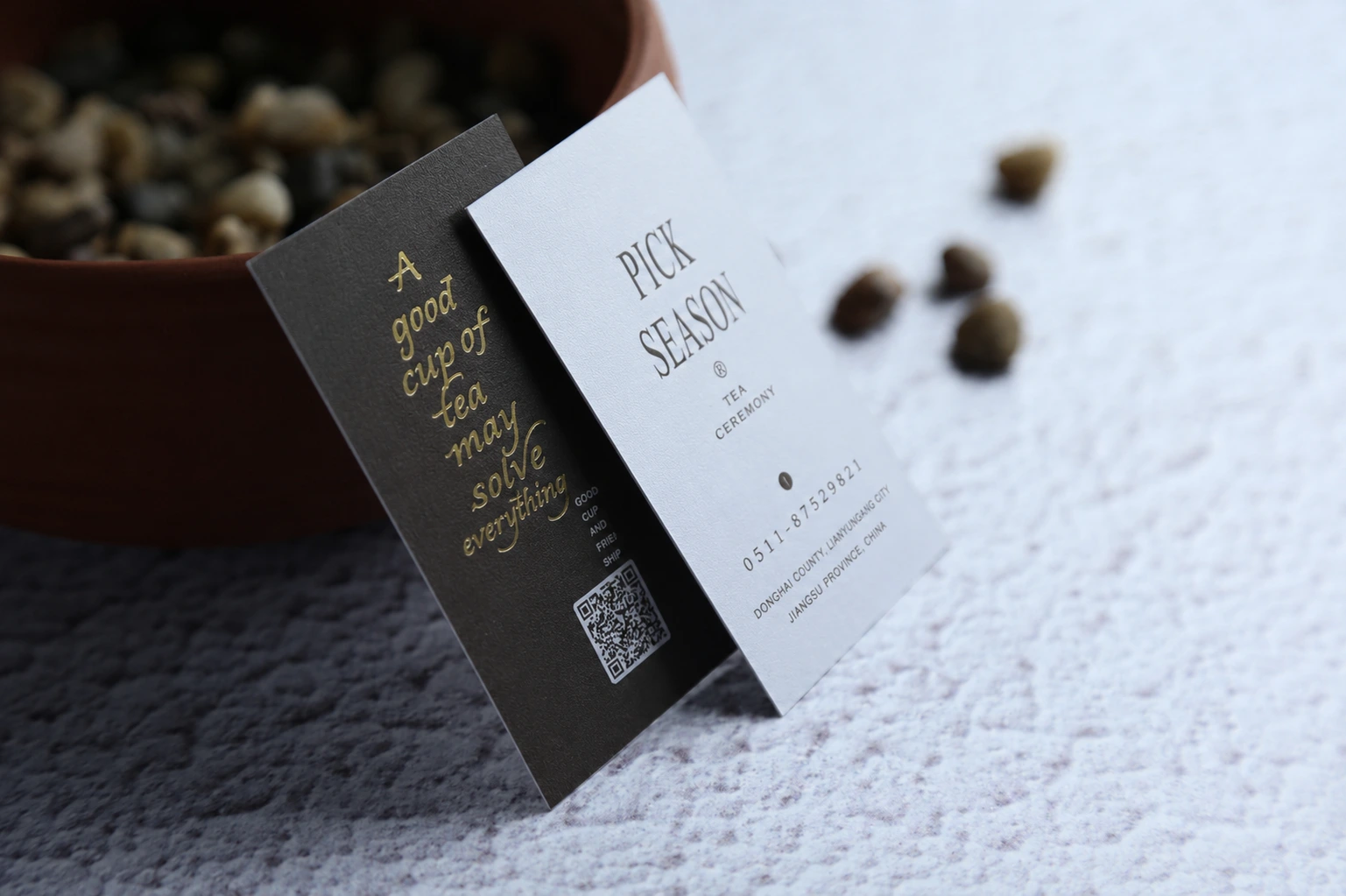
Compare the same horizontal ribbed texture on dark and light paper. Paper color and texture are separate choices.
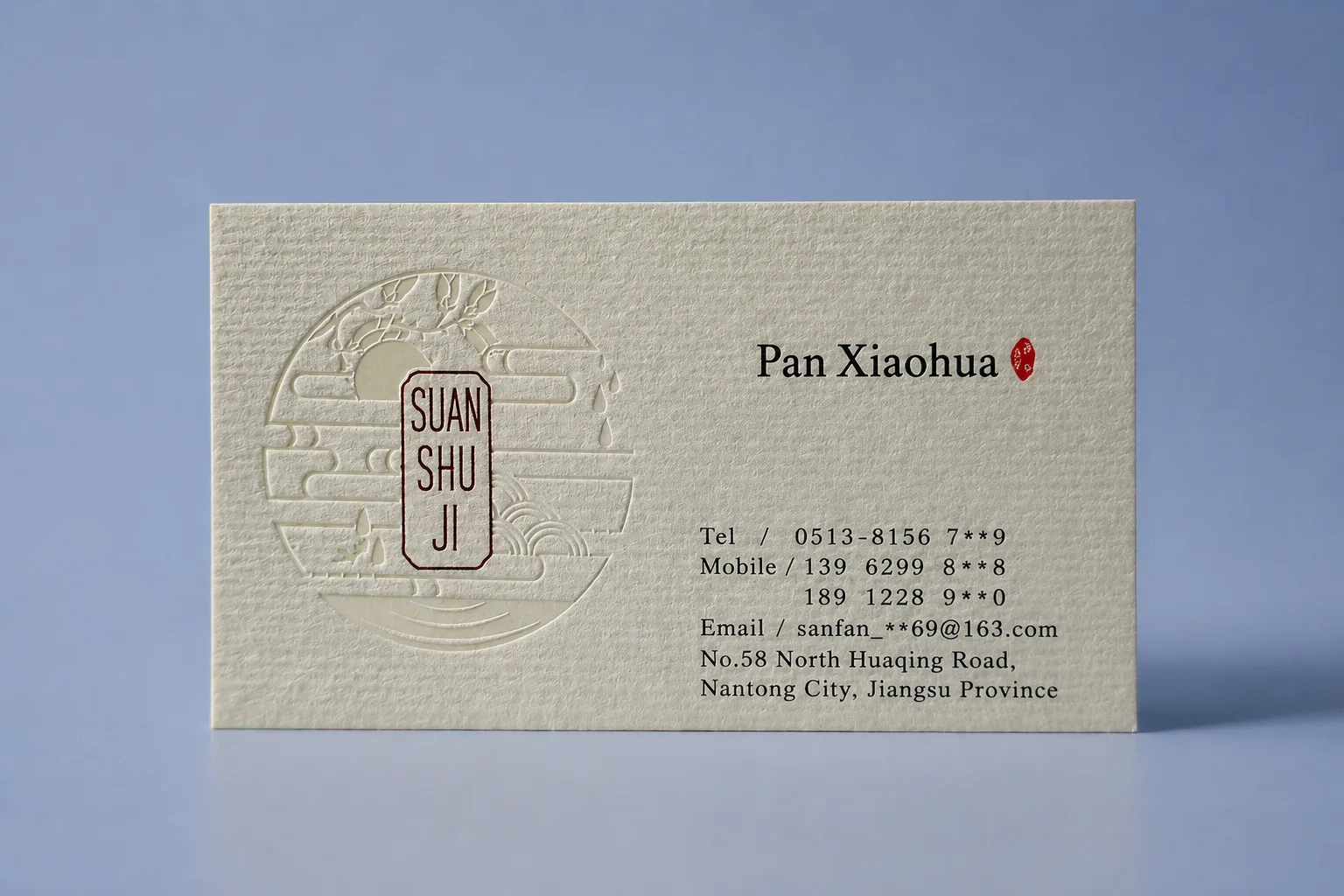
Fine parallel lines give this paper its laid texture. This example pairs it with a simple printed layout.
A subtle grain without a strong line pattern. If your layout includes small text, a QR code or a detailed image, send it for artwork review before confirming the stock.
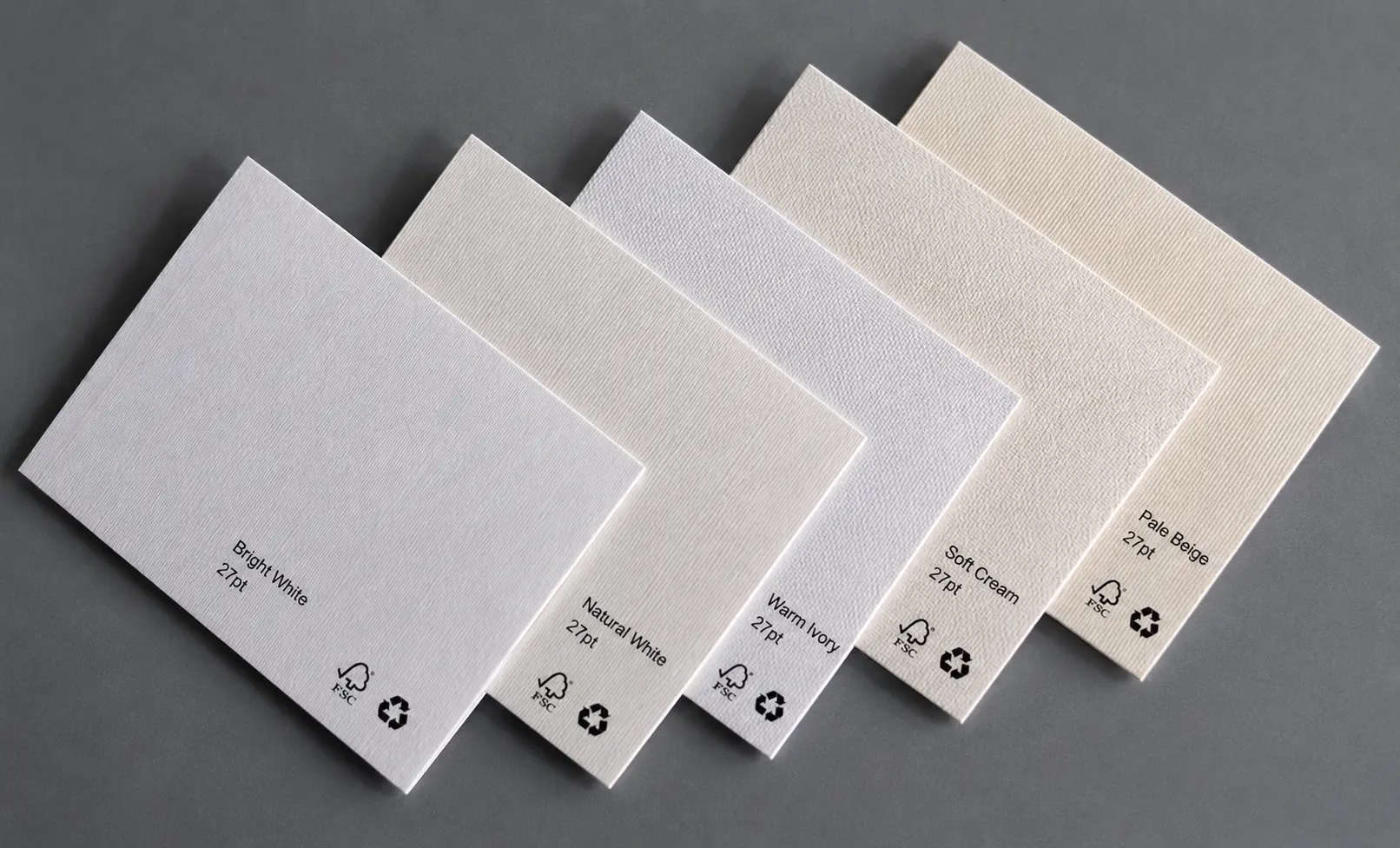
Compare texture, paper color and thickness with physical swatches before choosing the paper for your cards.
GSM describes paper weight; mm and pt describe thickness. These are the ranges for our paper options, not a universal conversion from gsm. Compare physical samples before choosing. The paper and thickness are confirmed for your project. We can review layered construction for your cards; 600gsm and 730gsm are paper weights, not fixed numbers of layers.
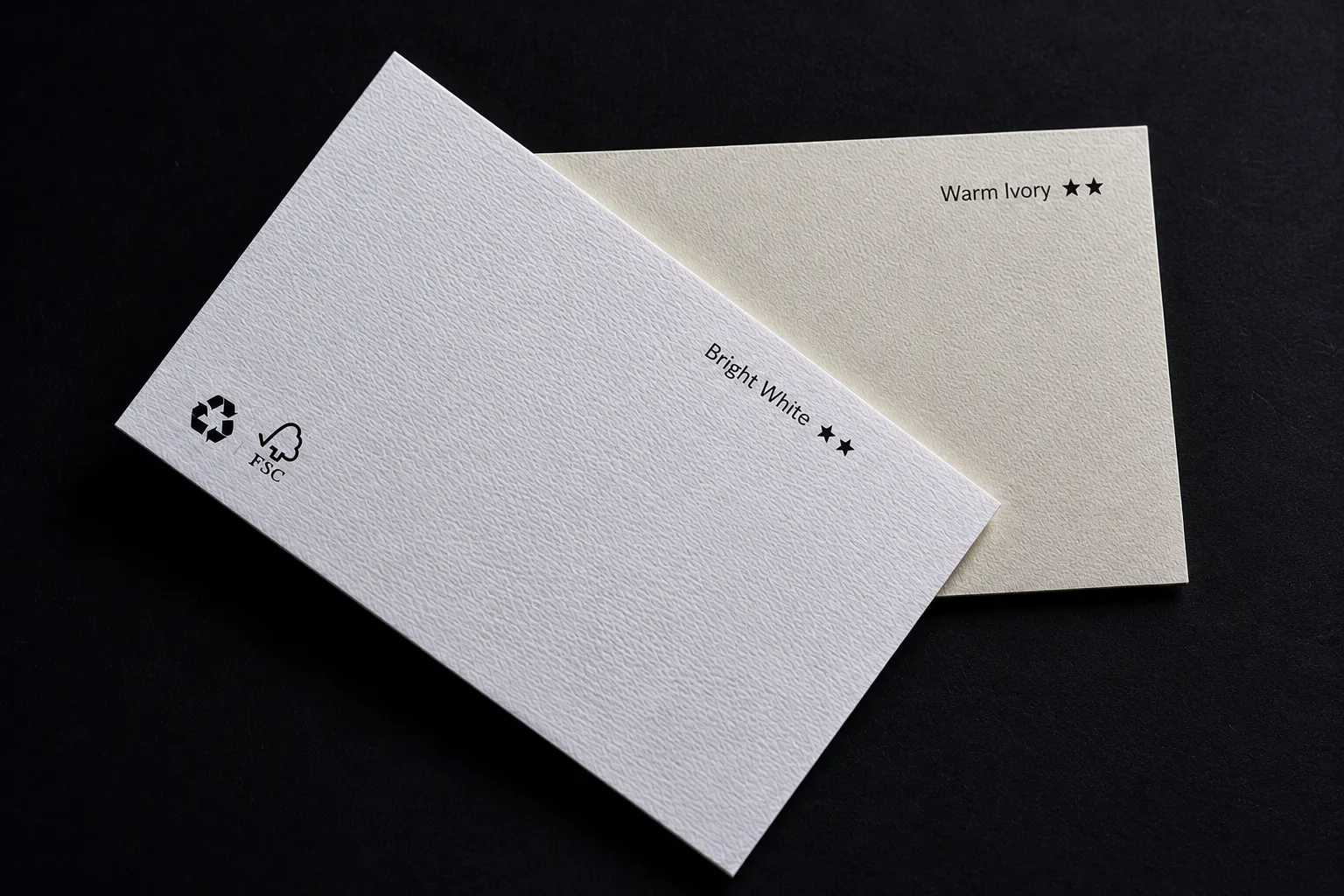
A lighter card with a textured surface, for simple printed layouts.
A heavier card, around 25–27pt, with more body and visible paper texture. Choose this weight if you want heavy cardstock business cards with a visible texture.
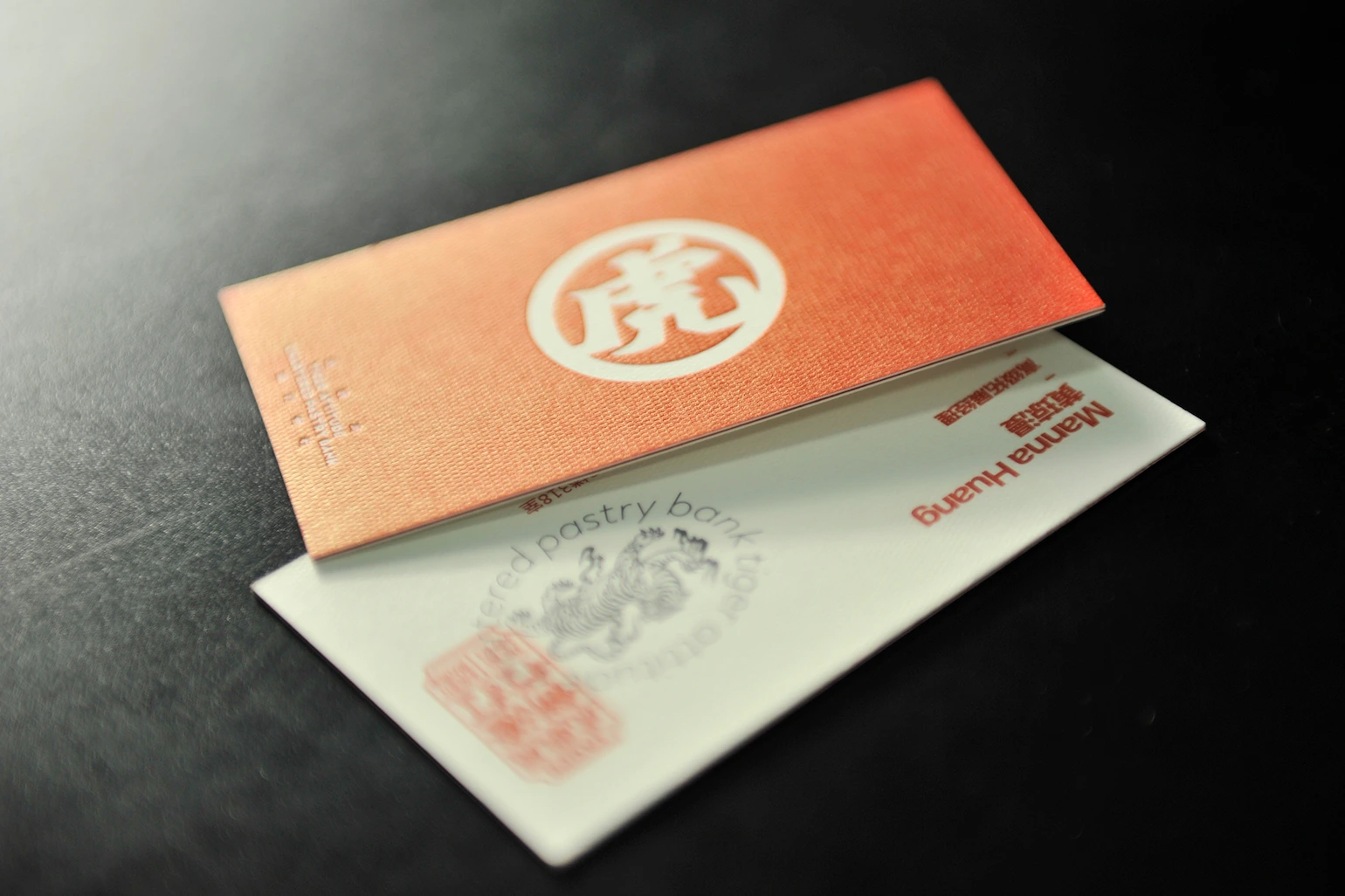
An extra thick card, around 29–31pt, for a more rigid feel. Review the paper and artwork together.
Choose a paper color from physical samples, or ask about full coverage Pantone / spot color printing on selected papers. Printed color covers the surface; the texture remains part of the result. Send a color code or existing printed reference if you have one. We review the color with the chosen paper.
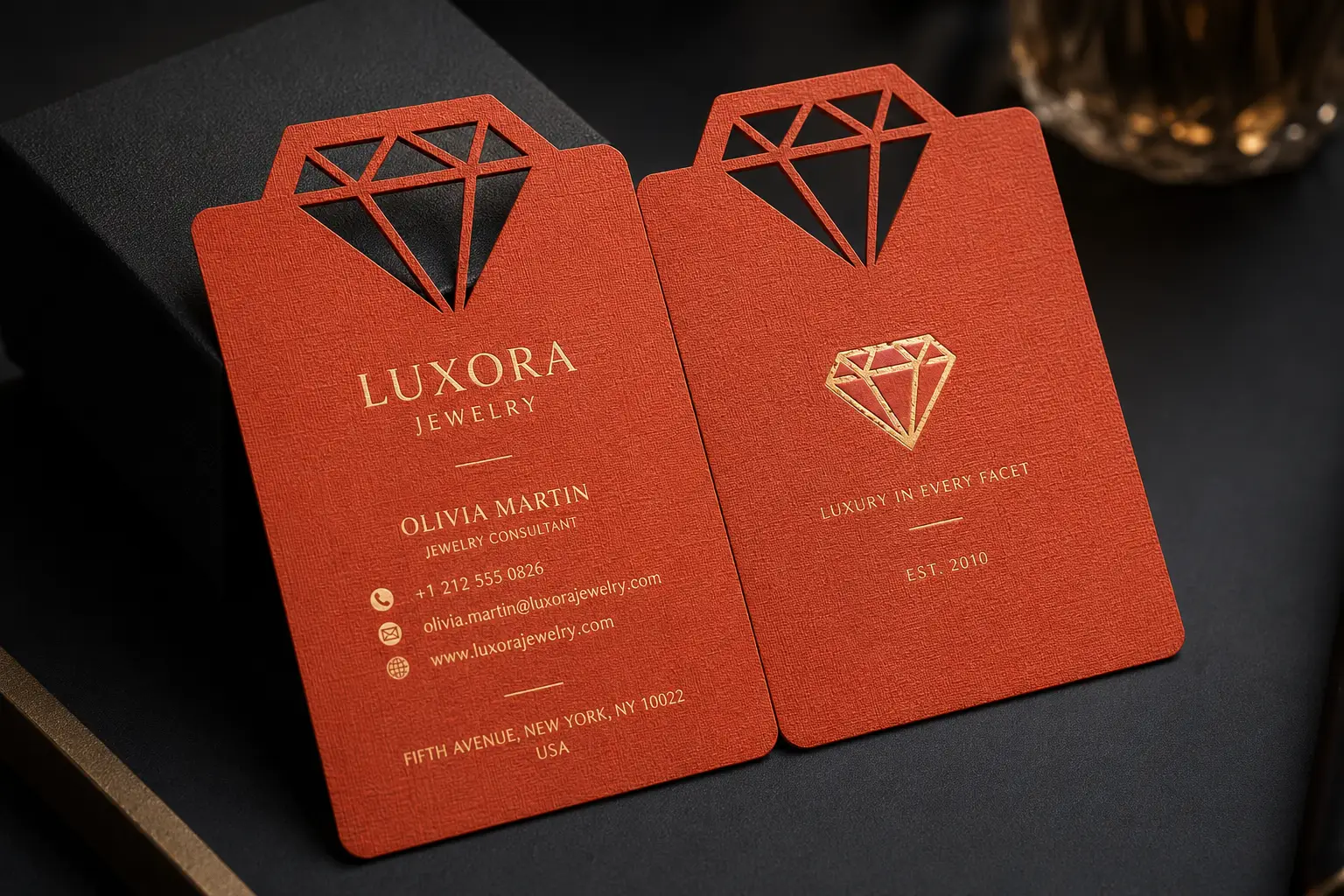
A bright paper base for printed text and contrasting artwork.
Warmer alternatives to bright white; compare the actual paper samples.
Light, warm paper colors for a natural textured look.
Neutral paper colors for a quieter background to your design.
Dark paper options to review with foil, blind debossing or other artwork.
Print a brand color over selected textured papers. The paper and expected color need to be reviewed together.
For natural textured business cards, start with the Natural White, Ivory or Cream group. These warm off-white tones keep the paper grain visible without looking stark, and they pair well with foil, debossing and simple layouts.
Ask about foil, blind debossing, embossing, spot color printing or die cutting. We review each finish with your chosen paper and artwork, including small text, fine lines and QR codes.
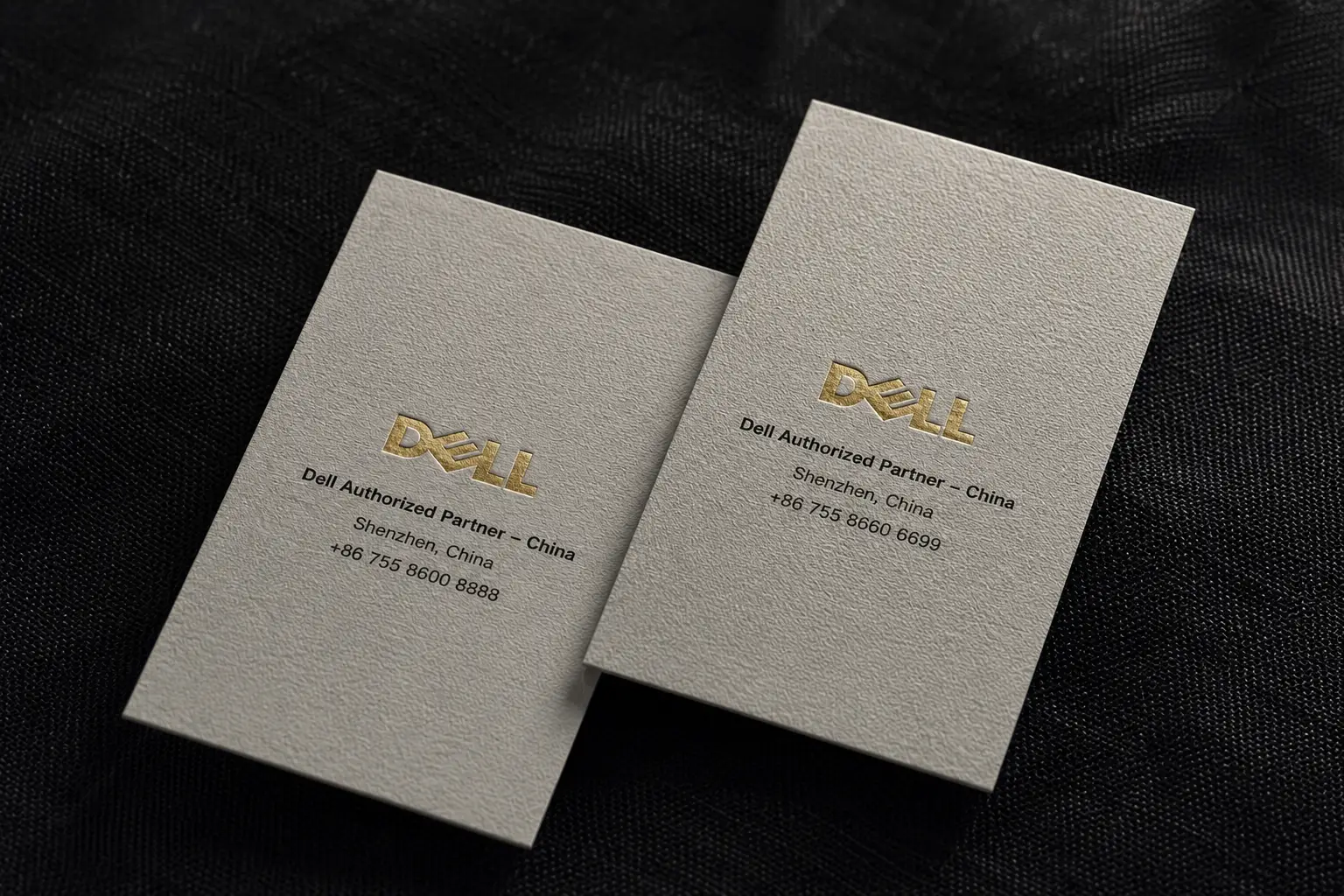
Foil area and line detail need to suit the paper surface. Review fine lines and small lettering before production. See our foil artwork and paper guide.
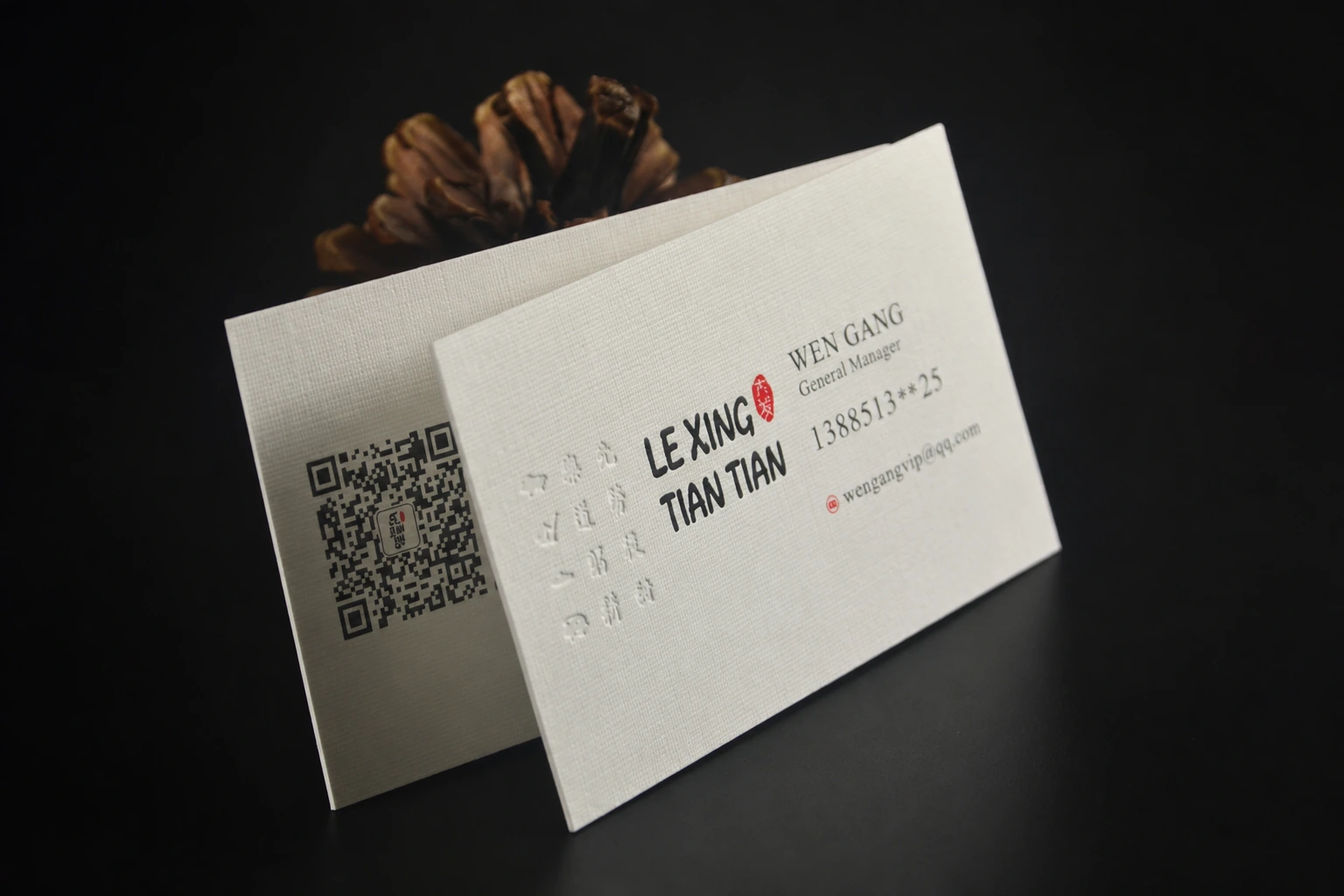
Pressure can make a pressed area look smoother than the surrounding grain. Review the contrast you want with the selected stock. See our embossing and debossing guide.
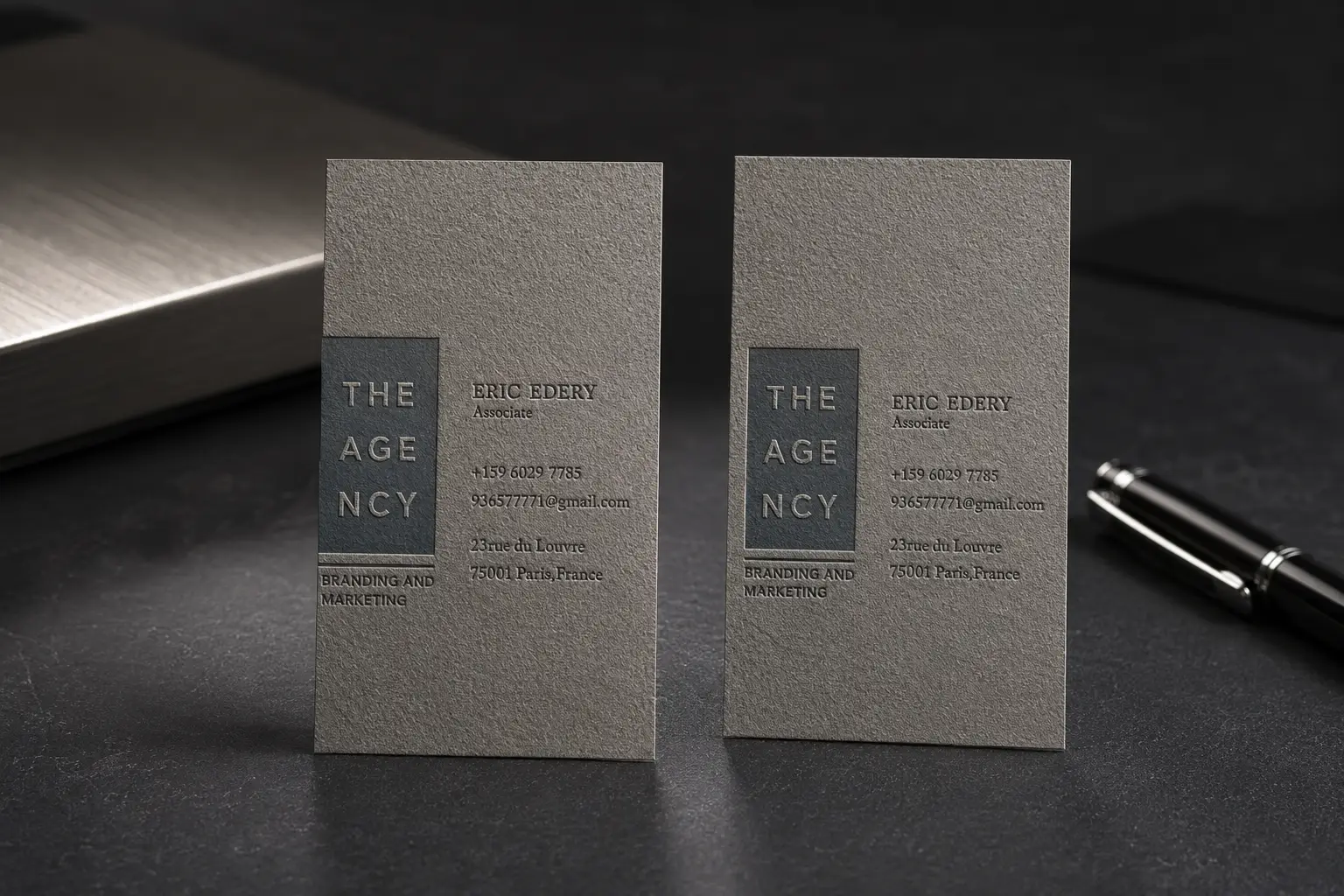
Embossing raises a detail; pressing creates an impression. Logos, initials and larger artwork can be reviewed for embossing or letterpress-style effects on the chosen paper.
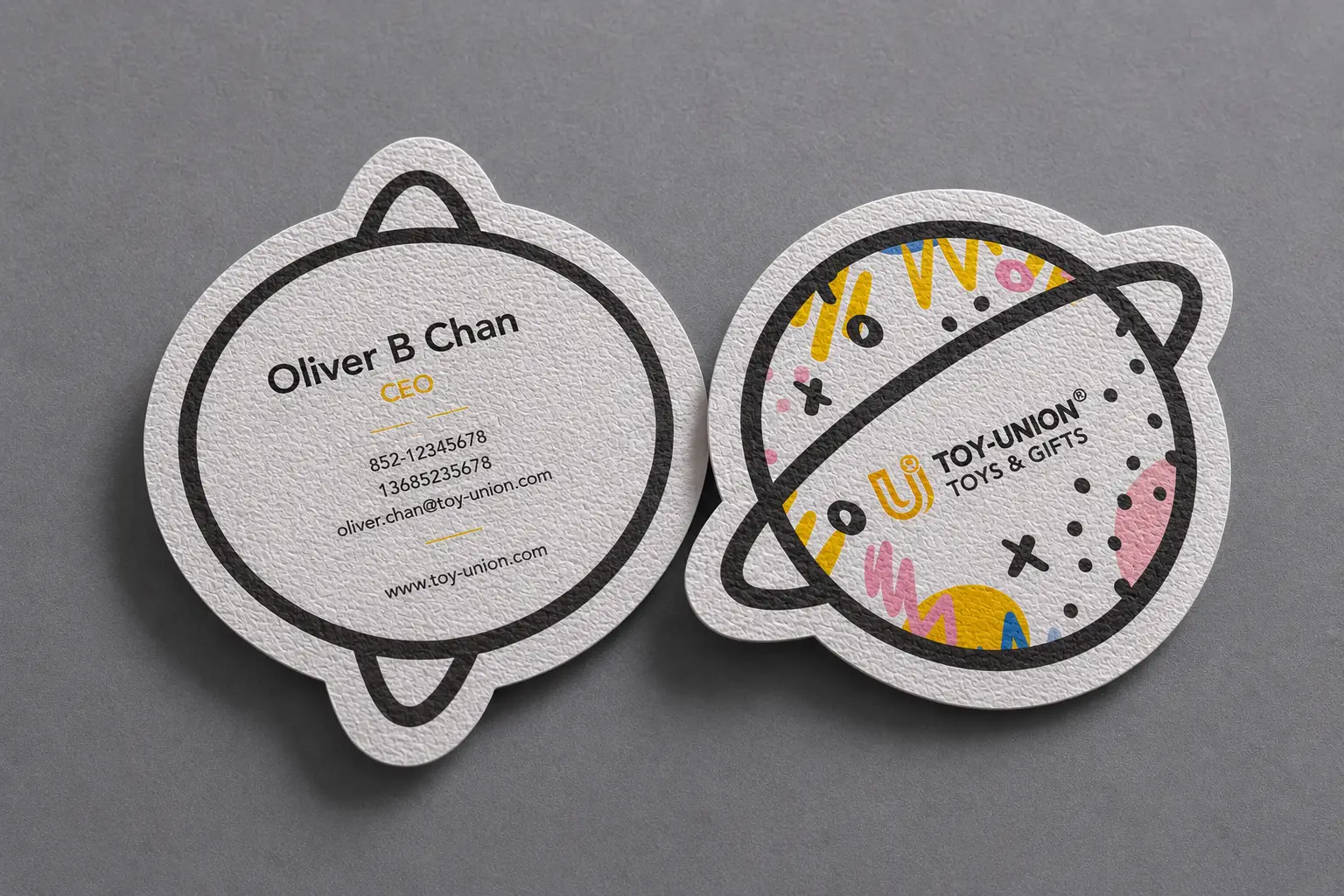
Ask about a custom cut shape or rounded corners. We review the shape with your paper and design.
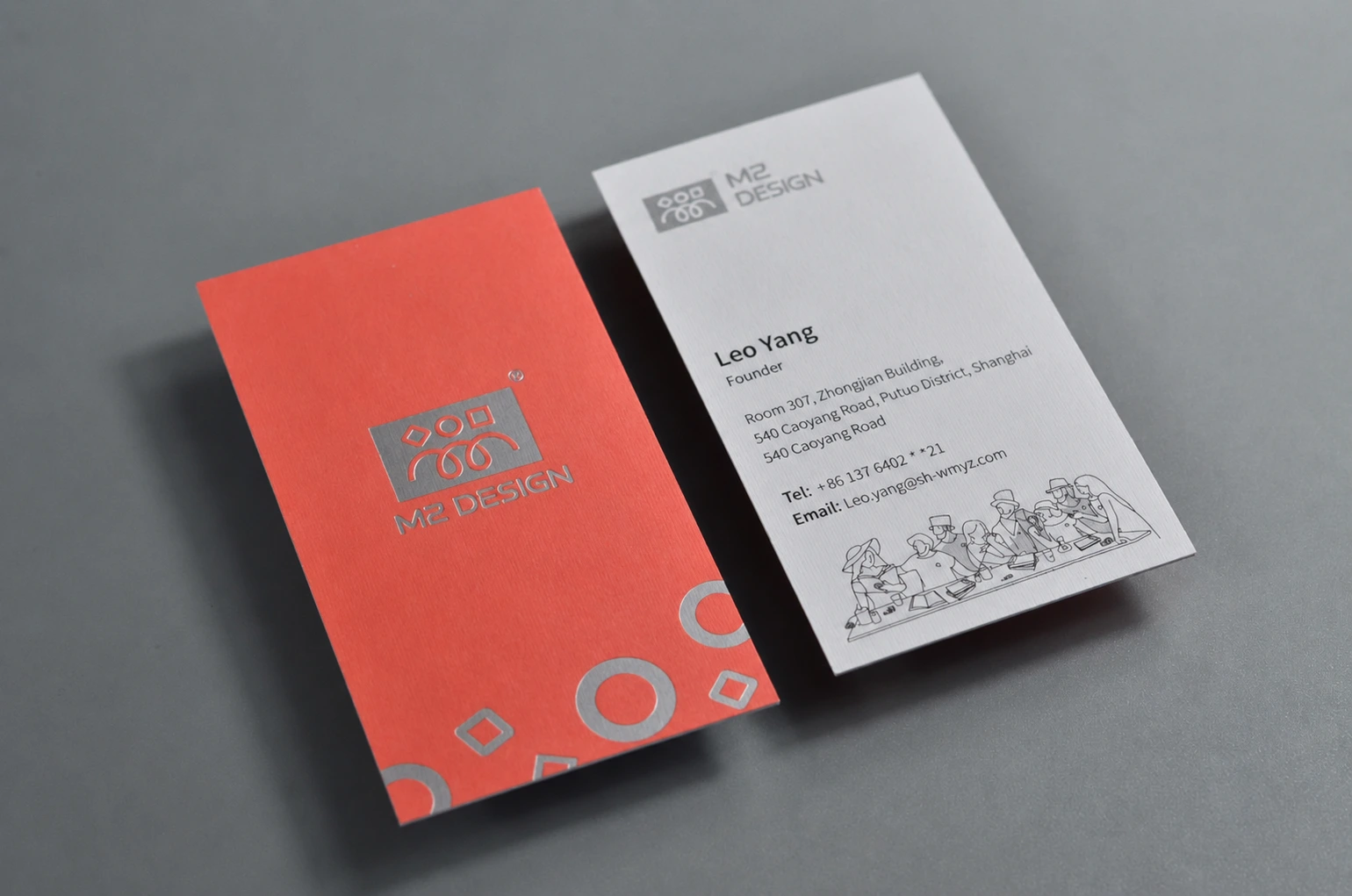
Review full coverage Pantone or spot color on the chosen texture, especially when a large area must match your brand color. Our full coverage spot color guide explains what to prepare.
Screen images cannot show how paper feels. Use the ZIVFY sample book to compare real textures, paper colors, thicknesses and finish examples such as foil and debossing.
The sample book is a material reference, not a custom proof of your design. It does not include every possible combination. Use it to help choose a paper or discuss full coverage spot color for your project.
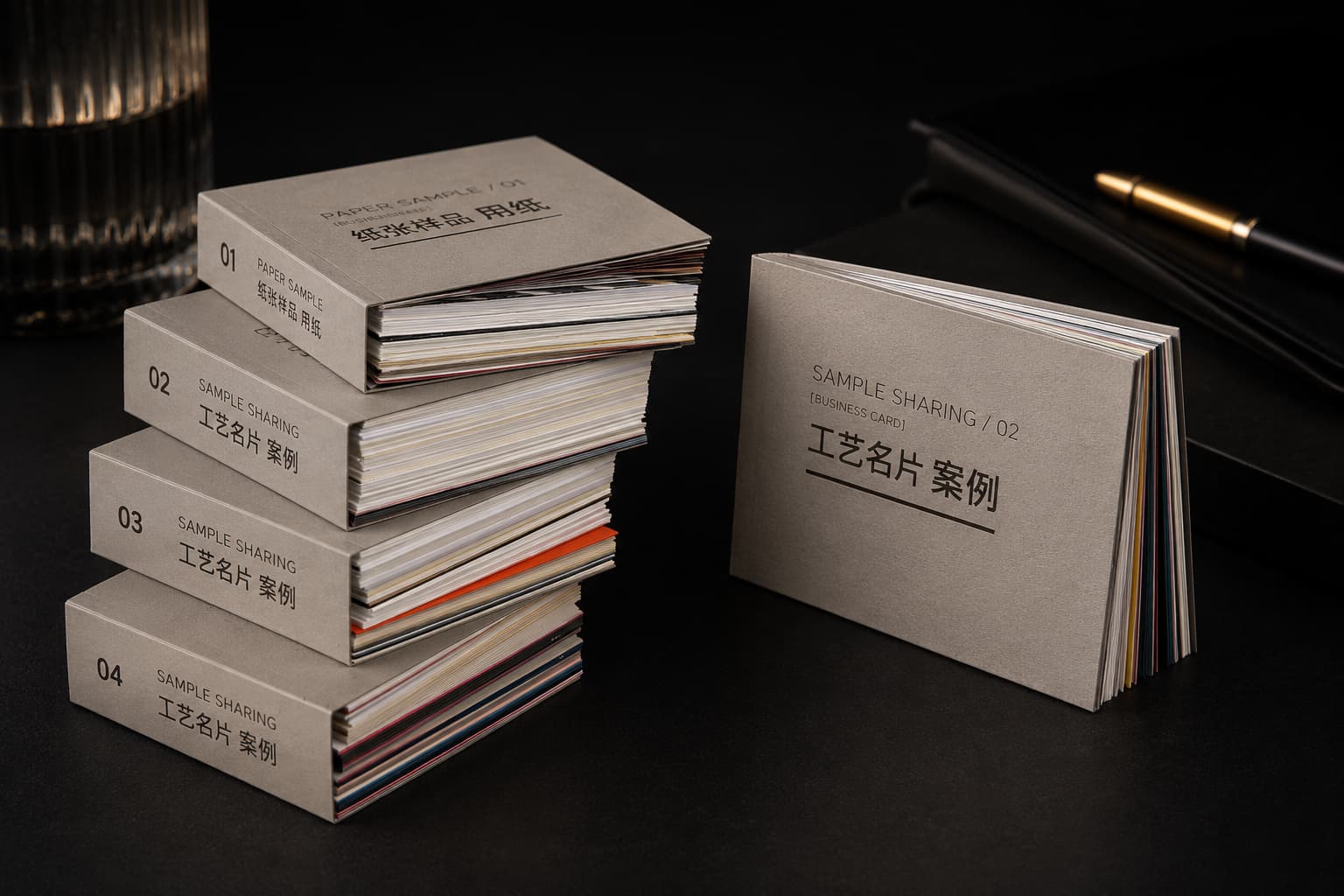
Tell us the quantity per design, card size, delivery country and any paper or finish preferences. Minimum order: 200 cards per design. Send artwork or a reference if you have one, or tell us what you need. For crosshatch linen, select Other Texture / Sample Review and write linen in Additional Requirements / Questions.
An electronic proof is confirmed before production. Physical sample availability and charges are confirmed for each project. Most business card orders ship within about 5 business days after proof approval. Delivery time is confirmed with your order.
Textured paper has a visible or tactile surface such as fine woven, laid, eggshell grain, or fine woven grain. The paper surface becomes part of the card design, not just a background material.
Yes, foil stamping can be used on selected textured papers. Very fine foil lines, small text, and detailed artwork should be reviewed against the chosen paper surface before production.
Yes. Blind deboss, foil deboss, and pressure-based details can work well on textured papers, especially when the artwork area is not too small and the texture is matched to the design.
Standard textured cards are suitable for simple business cards, premium directions provide stronger hand feel, and thick textured cards create a more rigid premium presentation. Physical samples are recommended for final choice.
Textured paper is usually better for logos, typography, line art, foil, debossing, and restrained graphics. Photo-heavy or high-detail full-color designs may need a smoother paper surface for sharper reproduction.
Yes. If your brand has a specific color, we can review full coverage Pantone or spot color printing on selected textured papers. This helps create a controlled brand color while keeping the visible tactile paper surface.